House rules have always shaped how people live and interact at home, but many of the guidelines from the past might seem strange or overly strict to you today. These rules often reflected the social norms and expectations of their time, influencing everything from manners to daily routines.
Understanding these outdated house rules gives you insight into how much family life and societal attitudes have changed over the years. Looking back, it’s clear that some traditions wouldn’t fit with the way most people live now.
No wearing hats indoors, ever.
You were expected to take your hat off the moment you stepped inside. This rule came from Medieval times when knights removed helmets indoors as a sign of respect.
For men, keeping a hat on inside was seen as rude. Women, however, sometimes kept dress hats on during events like weddings or religious services.
Today, this rule isn’t as strict. Still, some people prefer guests to remove hats out of politeness, especially in homes or formal settings.
Whistling after dark was a big no-no.
You probably won’t think twice about whistling at night today. But in the past, lots of cultures saw it as a serious no-no. People believed whistling after dark could attract bad spirits or creatures you didn’t want nearby.
Whether you lived in Appalachia, Japan, or parts of Europe, the warning was the same: no whistling once the sun went down. Some even thought it could bring misfortune or scare away good luck.
So, if you were visiting someone’s home back then, you’d want to keep your lips zipped after nightfall! It was all about keeping the house safe and peaceful.
Dinner time was strictly enforced—no leaving the table early.
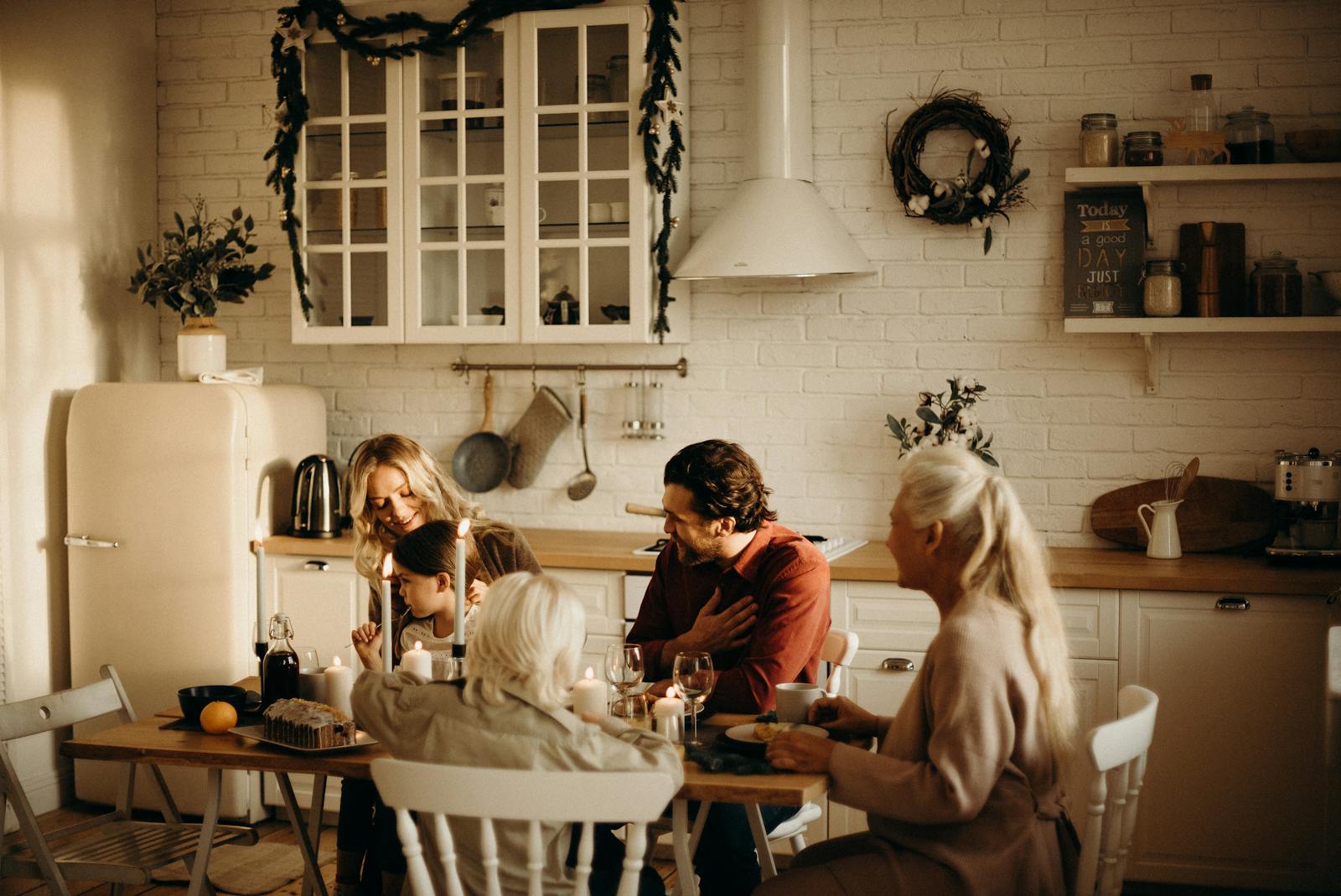
Back in the day, dinner wasn’t just about eating. You were expected to stay put until everyone finished. Leaving the table early was often seen as rude or disrespectful to the family.
You couldn’t just get up when you felt like it. Meals were a group event, and the idea was to share the time together without distractions.
Even if you were done eating, you stayed seated until everyone was ready to leave. It was about patience and showing respect for others.
Beds were not for sitting; strictly sleeping only.
In the past, beds had one clear purpose: sleep. You wouldn’t have seen anyone lounging or sitting around in bed like we do today. Bedrooms were treated as strictly private spaces meant for rest.
Especially during the Victorian era, bedrooms were off-limits for activities other than sleeping. Couples even had their own rooms, and the idea of using a bed as a hangout spot was uncommon.
So, if you think of your bed as a place to chill or scroll your phone, that’s a fairly modern habit. Back then, beds were all about catching those zzz’s, plain and simple.
Talking back to adults meant serious consequences.
Back in the day, if you talked back to adults, you could expect a strong reaction. Parents and elders saw it as a sign of disrespect that needed to be corrected immediately.
Today, things are different. You’re encouraged to express your thoughts, even if they clash with adult opinions. The emphasis now is more on communication and understanding rather than punishment.
This shift reflects a broader change in family dynamics, where respect is earned through dialogue, not fear. So, while talking back used to carry heavy consequences, now it’s often seen as part of learning and growing.
Always knock before entering a room, especially bedrooms.
You probably grew up with the rule that you had to knock before entering someone’s room. It was about respect and giving people their privacy. Today, this still matters, but it’s taken more seriously as a way to teach personal boundaries.
Knocking isn’t just polite—it shows you respect the other person’s space and choice to be alone. If the door is closed, always pause and knock before stepping in, especially if it’s a bedroom or bathroom.
By doing this, you help build trust and make sure everyone in the house feels comfortable and safe in their own space. It’s a simple way to keep peace and respect going strong.
Shoes off at the door wasn’t optional.
In the past, if you stepped into someone’s home, you didn’t just think about taking your shoes off—you did it. It was seen as a basic sign of respect and cleanliness. Walking in with shoes on was often considered rude or careless.
Back then, streets were dirtier, and shoes carried more grime inside. So, it wasn’t just about etiquette; it helped keep the house clean. You’d usually find a spot by the door for a shoe rack or a chair to make removing shoes easier.
Today, some people still stick to this rule, but others don’t see it as necessary. It really depends on where you grew up or your personal preference.