


Most of us have a few things tucked away that once belonged to a parent or grandparent—a watch, a quilt, maybe a set of china that’s been boxed up for years. But here’s the surprise: some of those sentimental keepsakes could be worth a lot more than you think. The market for well-made, meaningful heirlooms is thriving, and collectors are paying top dollar for pieces with craftsmanship and history.
So before you decide to donate, downsize, or declutter, take a closer look at what’s been passed down. These seven heirlooms might just turn family memories into financial surprises.

Pocket Watches
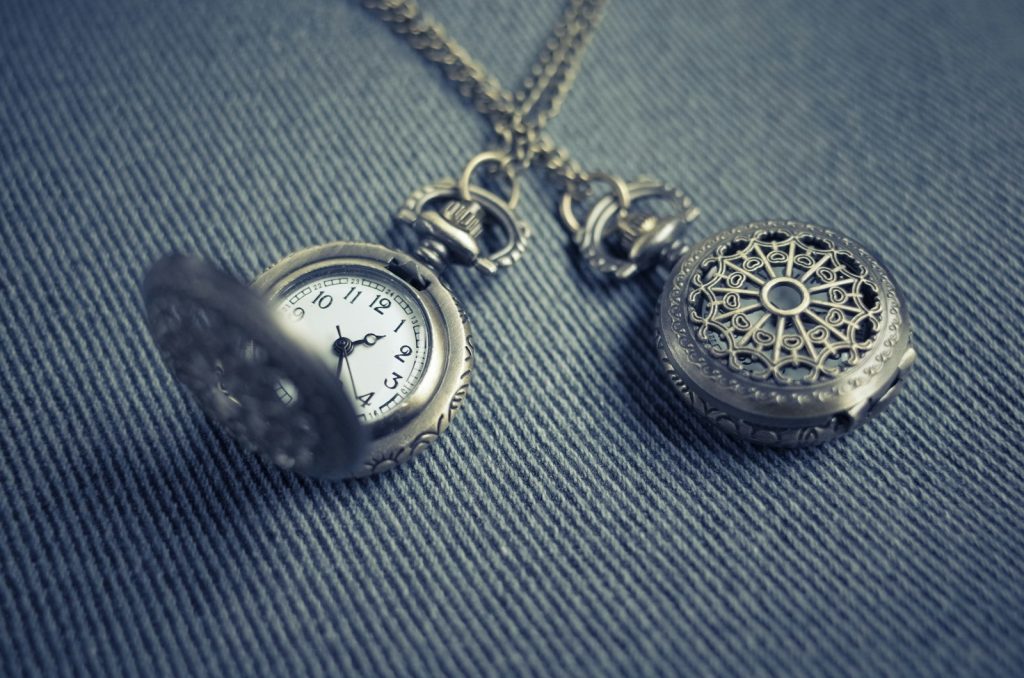
That pocket watch in the drawer isn’t just a relic—it’s a mechanical work of art. Watches made before the 1950s, especially those crafted in gold or silver and featuring intricate movements, are in high demand. Brands like Waltham, Elgin, and Hamilton are especially collectible, with railroad-grade models bringing in hundreds or even thousands.
Condition matters, but so does originality. A working mechanism, unpolished case, and visible maker’s mark all increase value. Even if it’s not solid gold, a beautifully made pocket watch often has sentimental and monetary worth.
Sterling Silver Flatware
For years, sterling silver flatware was considered old-fashioned—but times have changed. As people rediscover the beauty of hosting and formal dining, demand for vintage silver sets has grown. Patterns from makers like Gorham, Reed & Barton, and Wallace can be worth thousands, especially if the set is complete.
Look for the word “sterling” (not “silverplate”) stamped on the handle, and keep an eye out for ornate designs from the early 1900s. Even mismatched pieces have value when polished up. Suddenly, Grandma’s silver chest doesn’t seem so stuffy after all.
Fine China
That box of wedding china you never use might be more valuable than you realize. Brands like Lenox, Noritake, and Royal Doulton are seeing renewed collector interest, particularly in discontinued patterns. Complete sets in excellent condition can fetch hundreds—or even more if the design is rare.
The key is identifying maker marks on the underside and avoiding chips or cracks. If your set comes in its original packaging, the value goes up even higher. So before you relegate it to the back of a cabinet, consider that those dainty teacups might be your next best asset.
Quilts
Heirloom quilts are having a serious moment. Handmade examples from the 19th and early 20th centuries are now recognized as folk art, with museum-worthy craftsmanship and one-of-a-kind designs. Patterns like Double Wedding Ringor Log Cabin are especially collectible, particularly when made with natural fibers and hand stitching.
Condition is important, but even slightly worn quilts can have value due to their artistry and history. Quilts featuring unusual patterns, vivid dyes, or family provenance are worth the most. It turns out those “old blankets” are actually beautiful investments in both comfort and culture.
Jewelry Boxes and Vanity Sets
Those ornate vanity sets and jewelry boxes from generations past are more than decorative—they’re pieces of design history. Art Deco and Victorian-era sets made of glass, brass, or celluloid are especially collectible. Look for mirrored trays, brush-and-comb sets, or small boxes with velvet lining.
Sets in excellent condition, particularly with all the pieces intact, can sell for hundreds. The more intricate the detailing, the higher the demand. Even if you’re not ready to part with it, knowing its value adds a little sparkle to your dresser.
Musical Instruments
If there’s an old violin or guitar collecting dust in your attic, it’s worth checking its label. Instruments from reputable makers—Gibson, Martin, or Stradivarius (even workshop copies)—can fetch thousands. Even lesser-known brands may have surprising worth if they’re rare or handmade.
Condition, provenance, and original parts are key factors. Avoid polishing or restoring anything before an appraisal—what looks like “wear” might actually be part of its value. Whether it once played hymns or honky-tonk, that instrument could now play a more profitable tune.
Family Bibles and Old Books
Not every heirloom is flashy—some of the most valuable ones tell stories, literally. Family Bibles, first editions, or antique books can command impressive prices depending on age, condition, and historical significance. Editions printed before 1900, or signed by notable authors, are particularly desirable.
Even if your family Bible isn’t a collector’s item, its genealogical notes and dated inscriptions can add to its worth. Before donating a box of “old books,” it’s worth flipping through the pages—you might be holding a hidden piece of literary (and family) history.
Heirlooms connect us to the people who came before us—but sometimes, they also connect us to a bit of unexpected wealth. Whether you decide to sell or simply appreciate their history, these pieces remind us that value isn’t always measured by price tags. Sometimes, it’s tucked away in the family china cabinet.