You probably walk past familiar things every day without noticing they’ve slipped out of stores and basements. This piece shows why everyday items you once took for granted have become harder to find and what that shift means for how you shop, store, or sell them.
You’ll learn which common household pieces have quietly vanished from shelves and why they matter now. Keep reading to spot items in your home that could be rare, useful, or unexpectedly valuable.
Rubber cleaning gloves
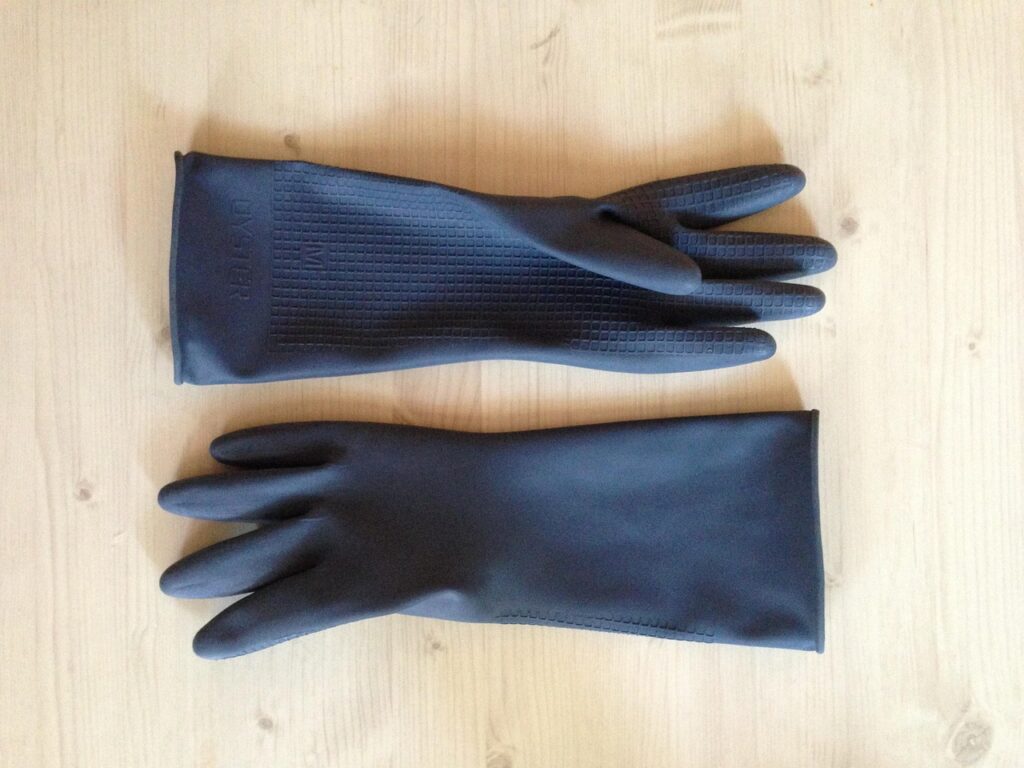
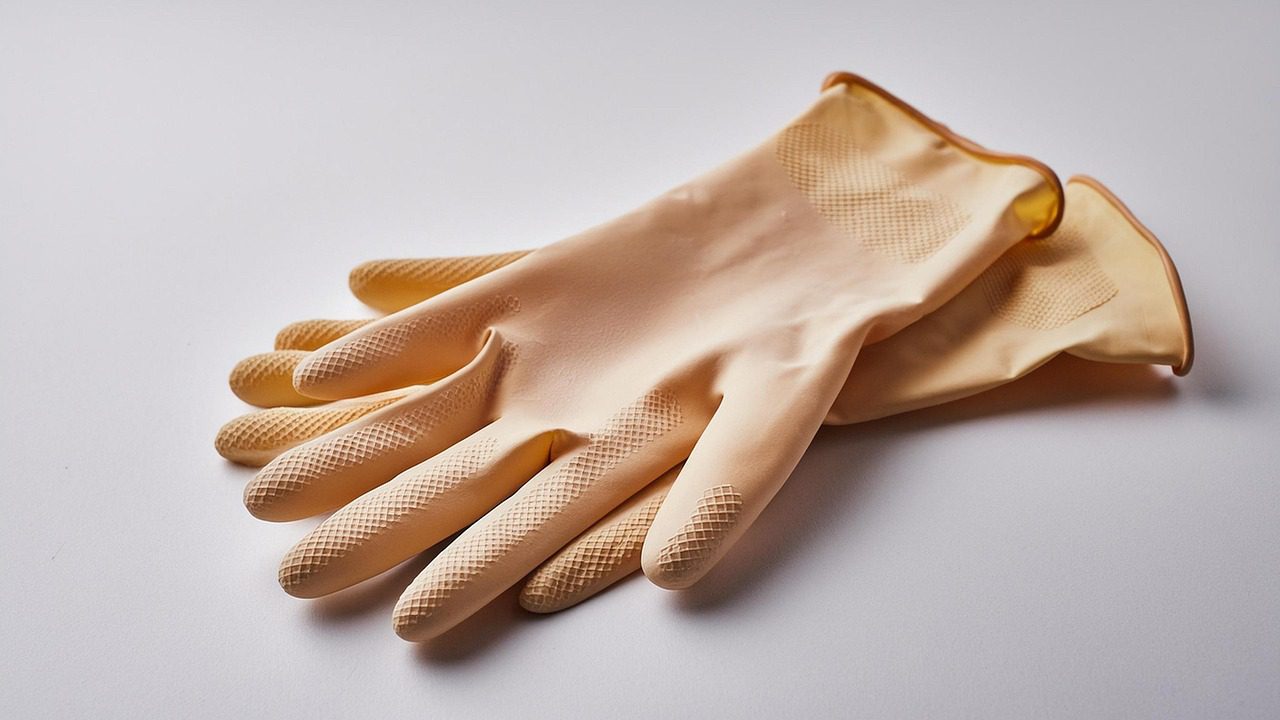
You probably noticed fewer glove options on store shelves during crunches, especially basic rubber or nitrile pairs.
They’re useful for dishes, scrubbing, and small DIY tasks, so losing them feels inconvenient.
If you can’t find your usual brand, check online marketplaces or broader cleaning-glove listings for alternatives.
One retailer often shows wide selection and fast shipping for household gloves.
Fine china sets
You might still have a boxed dinner set from your parents or grandparents tucked away.
Patterns from makers like Wedgwood or Royal Copenhagen can be scarce, and some discontinued designs sell quickly to collectors.
Check marks under plates and any pattern names before listing.
Online marketplaces and antique shops often turn up rare pieces, but condition matters more than age.
Rotary dial phones
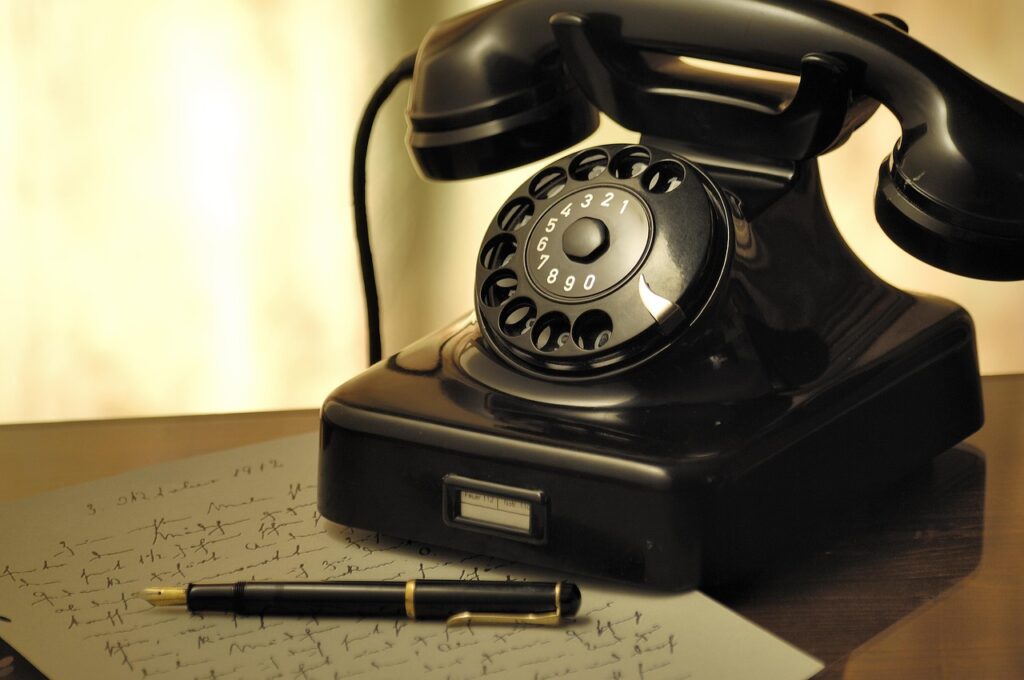
You remember turning the dial for each digit and waiting as it spun back. That slow rhythm made calling feel deliberate, not instant.
Rotary phones were sturdy and often shared by the whole household. Now those tactile rings and satisfying clicks mostly live in attics or vintage shops.
If you find one, it makes a neat conversation piece or planter. For history and more context, see this piece on rotary dial telephones.
Porcelain tea sets
You might remember a delicate tea set from a family cabinet or thrift find.
These sets, once common, are now harder to replace in good condition because patterns were discontinued and pieces were fragile.
If you want to preserve yours, store cups and saucers with padding and avoid stacked pressure.
Collectors seek intact sets and original serving pieces, so a complete set can quietly attract interest.
Ornate boot scrapers
You used to find decorative boot scrapers by doorways, built to knock off mud before you stepped inside.
They fell out of fashion as paved roads and rugs reduced the need, so these cast-iron pieces are now uncommon.
If you like the look, you can still spot vintage examples at flea markets or buy modern reproductions online.
A few collectors prize them for charm and craftsmanship rather than utility.
Landline telephones
You probably remember a single phone that lived in the kitchen or on the wall.
As smartphones took over, those wired sets quietly vanished from many homes.
If you still keep a landline for emergencies, that’s practical—rural areas and older adults often rely on them.
For vintage charm or DIY projects, old rotary phones make great planters or decor; see examples of vanished household items for context (https://housely.com/things-that-have-quietly-vanished-from-daily-life).
Vintage blenders
You might own an old blender tucked in a box that suddenly feels collectible.
Heavy metal bases, glass jars, and simple motors made some models durable and desirable to collectors and vintage decor fans.
If your unit still runs, it can be useful; if not, it can fetch interest online or at flea markets.
Check model numbers and condition before selling, and compare listings like those highlighted in articles about retro household items to set realistic expectations.
More from Decluttering Mom: