You probably own or inherited things that once felt like treasures, and now they clutter drawers or gather dust. This article shows which seven familiar household items lost their value and why that matters to your space, wallet, or sentimental stash.
Expect a quick stroll through everyday objects—from phones and answering machines to encyclopedias and slide projectors—so you can spot what to keep, sell, or let go without second-guessing.
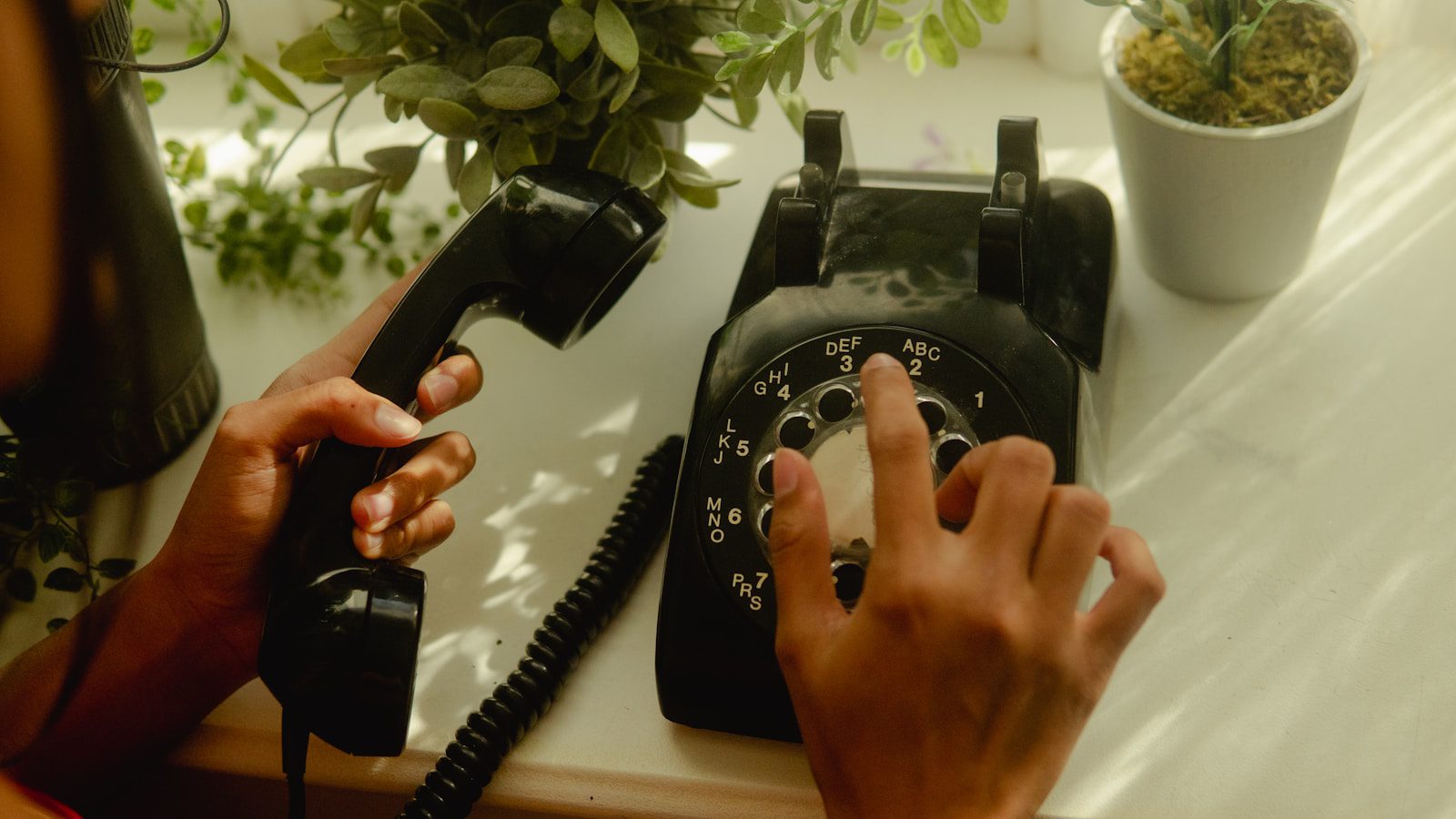
Rotary Phones
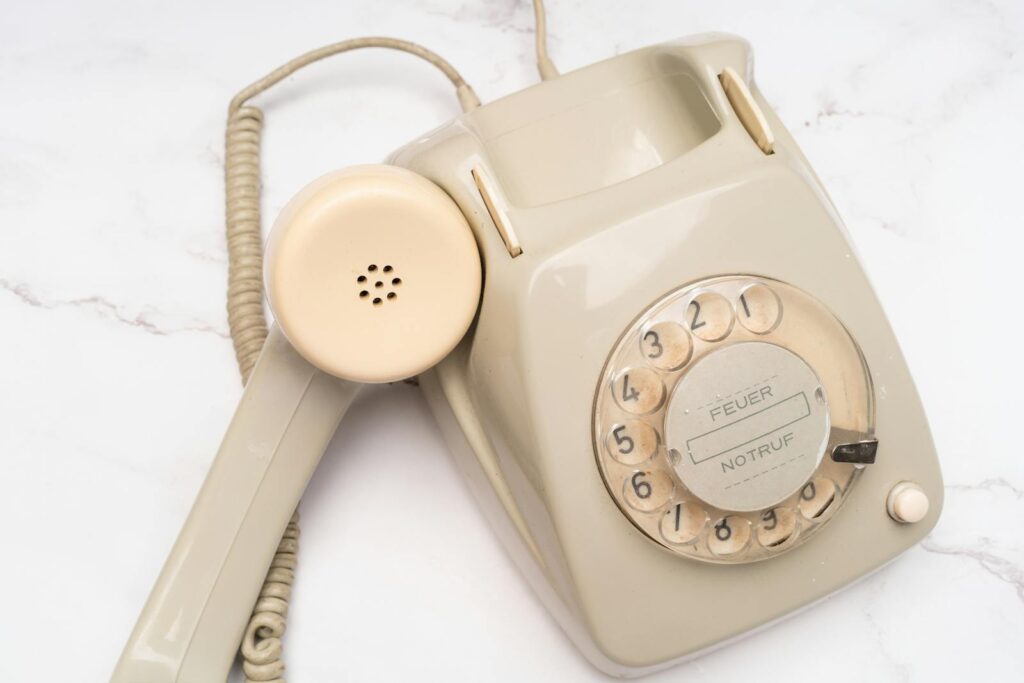
You probably remember the dial’s click and the cord’s pull. They once anchored every home phone setup.
Today they’re mostly decorative; few households still use them for daily calls. Some models fetch collector interest, but most hold sentimental rather than market value.
If you find one in a drawer, it’s worth checking condition before assuming it’s valuable. For nostalgia or decor, they make a strong visual statement without much practical use.
Answering Machines
You probably remember the box on your kitchen counter that held your messages.
Those bulky answering machines once felt essential for screening calls and saving voicemail, but carrier voicemail and smartphones made them redundant.
Collectors now pay for certain vintage models, yet most units today are inexpensive and often recycled or repurposed as retro decor.
If you find one in a drawer, it’s nostalgic more than valuable; check condition and model before assuming it’s worth anything.
Butter Churns
You probably grew up seeing butter churns as quaint antiques rather than everyday tools. They once turned cream into butter by hand, but refrigeration and store-bought butter made them mostly obsolete.
If you own one, it may have decorative or modest collectible value, yet most pieces sell for little unless they’re rare or in excellent condition. Check condition and type before selling or displaying, and consider a specialist if you think it’s unusual.
Encyclopedias
You probably remember heavy sets of encyclopedias lined up on a shelf, bought for homework and curiosity.
The internet made much of that information free and searchable, so those volumes lost practical value quickly.
Some pages get reused for crafts or decor, and collectors pay for rare editions, but most sets now sit unused.
Ashtrays
You probably remember ashtrays as common tabletop fixtures in living rooms and cars. They were once collectible and sometimes ornate, but their practical value fell as smoking declined and indoor bans spread.
You may still find interesting vintage ashtrays at thrift stores or estate sales, yet most fetch little money. If yours is marked, limited-edition, or tied to a famous maker it can be worth more; otherwise it’s mainly decorative.
Rolodexes
You probably remember the satisfying spin of a Rolodex and the little cards with names you’d painstakingly handwritten.
Once a prized sign of networking clout, they lost value as digital contact lists and CRMs made them redundant.
They still feel nostalgic and can decorate an office, but they no longer hold business value the way they used to.
If you keep one, it’s more sentimental than practical.
See a brief history of their decline in office use at this piece on everyday office items you never see anymore.
Slide Projectors
You used to gather the family, dim the lights, and watch vacation photos roll on the wall.
The Kodak Carousel and similar models were common, but digital cameras and phone slideshows made them obsolete.
If you find one in an attic it’s nostalgic more than valuable.
Collectors sometimes pay for working models, though most units are now decorative or museum pieces (for example, see a short history of the Kodak Carousel slide projector).
More from Decluttering Mom: