
Ah, the ’60s—a time of bell-bottoms, peace signs, and some surprisingly effective parenting hacks. While we might think of the era as a bit retro, many of the parenting tricks from that decade have stood the test of time. So grab your favorite mug, and let’s chat about some of these gems that might just make your parenting journey a little easier (and maybe even a bit more fun!).
1. The Power of Play
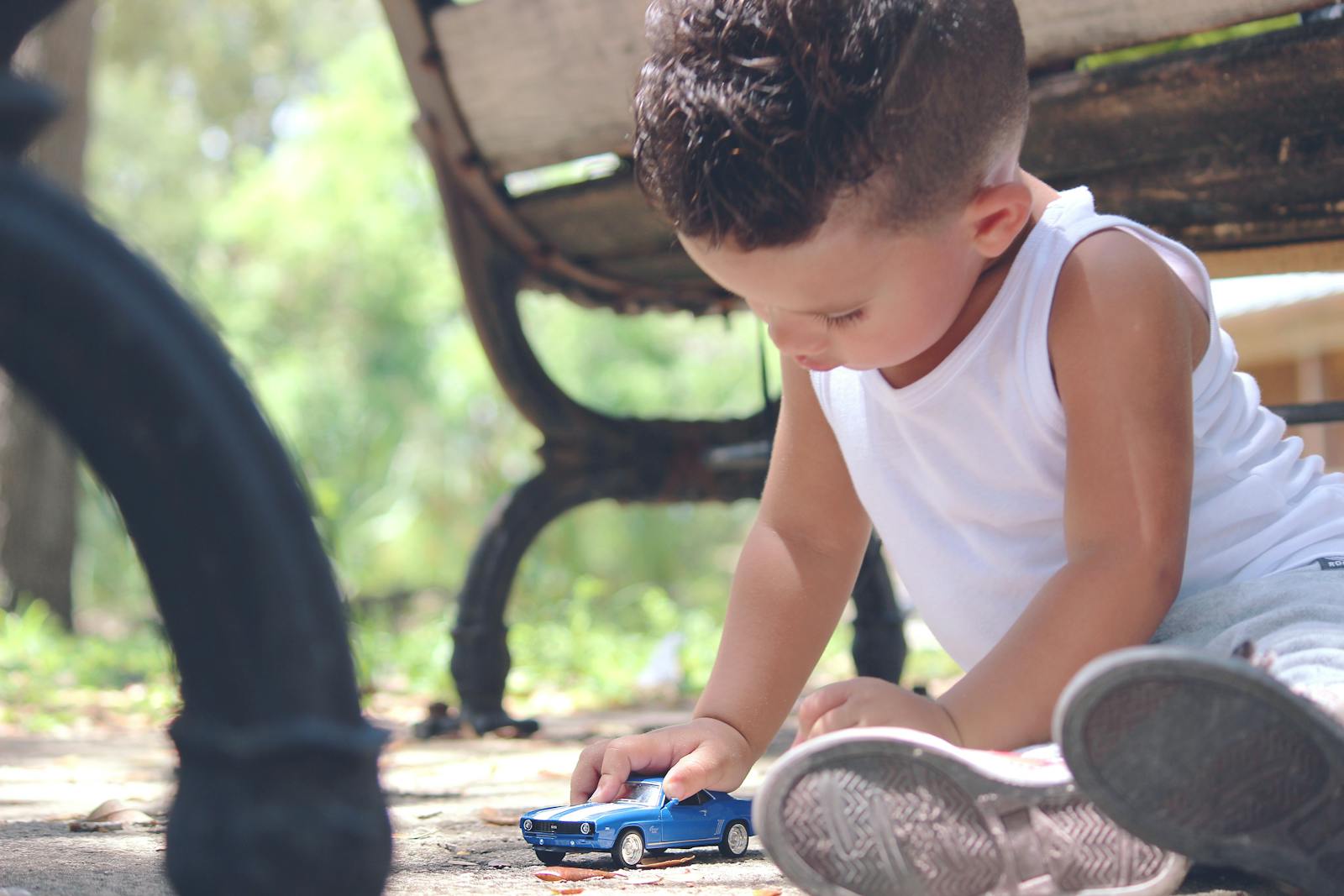
Back in the ’60s, kids spent hours playing outside, climbing trees, and creating make-believe worlds. And guess what? They thrived! Research shows that unstructured play helps develop creativity, problem-solving skills, and social abilities. So, instead of worrying about screen time, why not encourage your little ones to explore the great outdoors? They might just discover their inner adventurer while you get a breather. Plus, nature has a way of wearing them out—bonus points for bedtime!
2. The Art of Gentle Discipline
Remember when parents were more about guidance than punishment? The ’60s taught us that gentle discipline can go a long way. Instead of resorting to yelling or harsh consequences, try a calm conversation about what went wrong. This approach fosters understanding and respect, which is so much more effective than just instilling fear. Plus, it creates an environment where your kids feel safe to express their feelings. Who knew parenting could be so harmonious?
3. Family Meals as Sacred Time
Family dinners were a big deal back then, and they still are for good reason! Gathering around the table for a meal provides a chance to connect and share stories. It’s a time to check in on each other’s lives, and believe it or not, studies show that kids who regularly eat with their families tend to perform better in school and have lower rates of substance abuse. So, whether it’s a home-cooked feast or takeout from your favorite joint, make it a priority to sit down together. Who doesn’t love a good dinner chat (and dessert!)?
4. The Joy of Chores
Chores might not sound like fun, but back in the ’60s, kids learned early on that contributing to the household was part of being a family. Assigning age-appropriate tasks not only teaches responsibility but also gives kids a sense of accomplishment. Imagine your five-year-old proudly announcing they’ve “cleaned” their room (even if it’s just shoving everything under the bed). It’s adorable! Plus, you’re setting them up for success as they learn valuable life skills. Who knew tidying up could be so rewarding?
5. Encouraging Independence
Parents in the ’60s were often more relaxed about letting their kids roam the neighborhood. They knew that a little independence fosters confidence and resilience. While we’re not suggesting you let your 7-year-old wander freely to the corner store, allowing small freedoms—like choosing their own clothes or helping with grocery lists—can empower them. It teaches decision-making and gives them a sense of ownership over their choices. Just remember, you can always set boundaries, but a little bit of freedom can go a long way!
6. The Magic of Storytelling
Before smartphones, there were stories. Parents in the ’60s often turned to storytelling as a way to bond with their kids. Whether it was reading bedtime stories or sharing tales from their own childhoods, storytelling ignited imaginations and created cherished memories. So, why not dust off that old book collection or spin a yarn of your own? You’ll not only entertain but also instill a love for literature in your children. Plus, who doesn’t love a good plot twist?
7. Positive Reinforcement
Instead of focusing on what kids do wrong, parents in the ’60s often highlighted the positive. Praising good behavior and achievements encourages kids to repeat those actions. It’s simple psychology—who doesn’t want to be recognized for their efforts? Whether it’s a high five for a well-done chore or a “great job!” for finishing homework, positive reinforcement builds confidence and motivates kids to excel. It’s like giving them little gold stars for life!
Wrapping It Up
While parenting trends come and go, some lessons from the ’60s are timeless. Embracing play, encouraging independence, and emphasizing family bonding can create a nurturing environment for your kids. So, why not incorporate a few of these tricks into your own parenting style?