Hoarding trash isn’t just about laziness or messiness—it often has deeper psychological roots. You might find yourself holding onto things that seem useless or overwhelming to others, and this behavior can be tied to complex emotions or mental patterns.
Understanding why you’re hoarding trash can help you make sense of these habits and work towards change. Sometimes, it’s about fear, attachment, or even past experiences influencing the way you collect and keep items. Taking a closer look at these reasons can bring clarity to what feels like a confusing habit.
Difficulty making decisions on what to discard
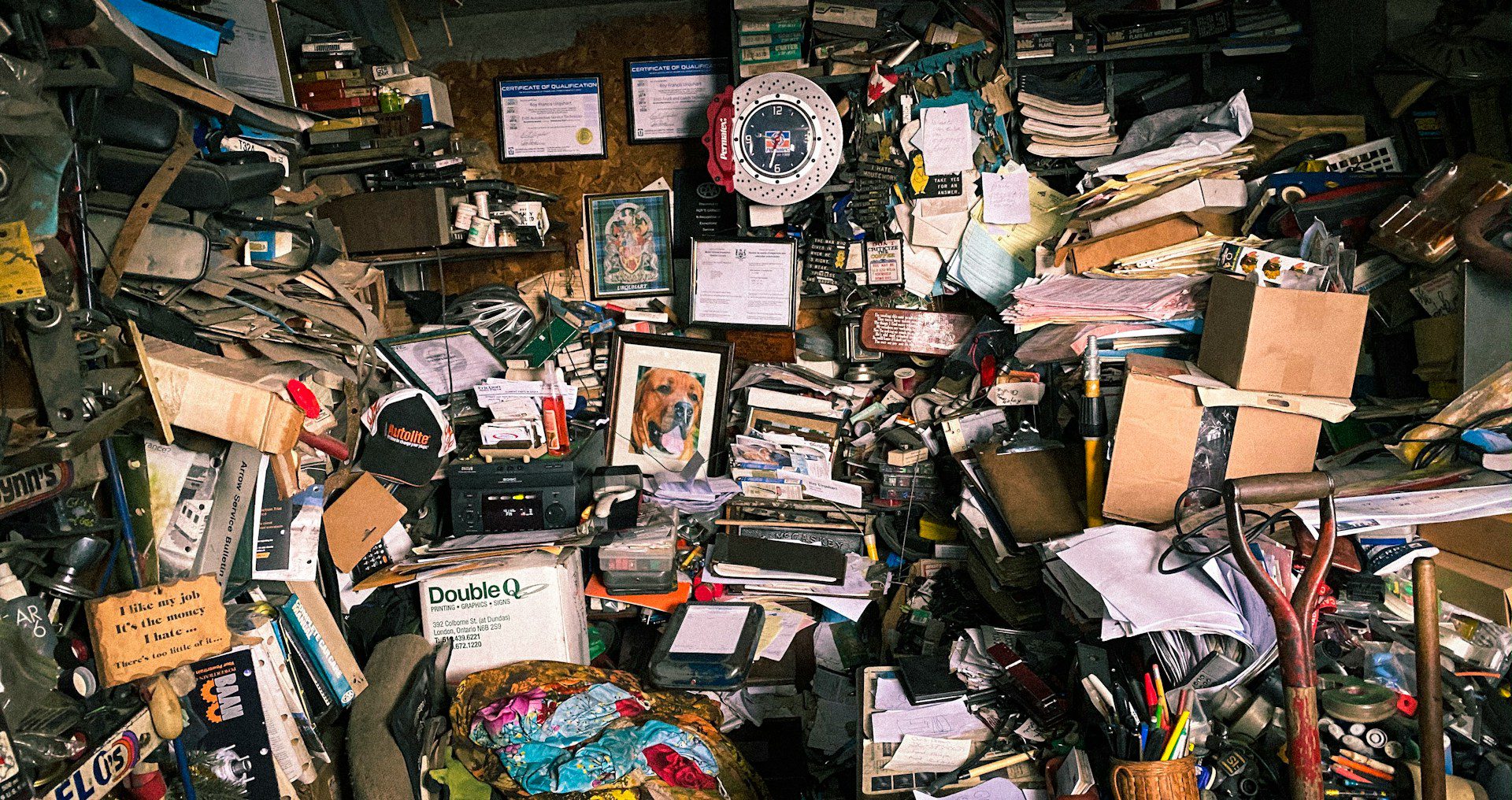
You might find it really tough to decide what to throw away. Every item feels important, even if it seems like trash to others.
This hesitation often comes from anxiety about making the wrong choice. You might worry about needing something later or regret getting rid of it.
It’s like your brain hits a wall when faced with discarding stuff. That stuck feeling stops you from clearing out, leading to more clutter.
Emotional attachment to possessions

You might keep items because they remind you of a memory or feeling. Even something like junk mail can feel important if it connects to a moment in your life.
Your brain can link objects to emotions, making it hard to let go. It’s not always about the item’s value but what it represents to you.
This attachment can make sorting through trash overwhelming because it feels like losing part of your story. That’s why tossing things isn’t just about the clutter—it’s about what those things mean to you.
Fear of losing important memories

You might hold onto trash because it feels tied to your past. Some items remind you of moments or people you don’t want to forget.
Throwing them away can feel like losing a part of your story.
This fear makes it hard to let go, even if the items don’t seem valuable to others. It’s about keeping your memories safe in physical form.
Anxiety and stress relief from accumulation

Sometimes, holding onto things, even trash, feels like a way to calm your nerves. It can give you a sense of control when other parts of life feel chaotic.
Clutter can create a weird kind of comfort, letting you avoid tough emotions or decisions.
But keeping too much stuff can actually increase stress, making it harder to relax or focus. It’s a tricky cycle that’s tough to break.
Trauma or past deprivation experiences

If you’ve gone through trauma or tough times where you lacked basic things, it can affect how you view possessions. You might hold onto items because they remind you of safety or comfort you once missed.
These experiences can make it harder to let go, even if the stuff feels like trash. It’s your brain trying to protect you from feeling the same loss again.
Sometimes, hoarding is less about the things themselves and more about what they represent—security and control after feeling vulnerable.
Cognitive distortions about usefulness

You might hold onto things because you believe they could be useful someday, even if you haven’t needed them in years. This kind of thinking makes it hard to throw stuff away since you’re stuck imagining future scenarios.
Your mind can exaggerate the value of items, turning ordinary trash into “potential treasures.” That fear of regret often stops you from letting go, creating clutter that builds up over time.
Genetic predisposition to hoarding behaviors

You might be more likely to hoard if it runs in your family. Researchers have found that certain genes could play a role in hoarding habits.
Some studies point to a specific region on chromosome 14 linked to hoarding, especially in families with OCD.
It doesn’t mean your behavior is set in stone, but your genetics could make you more vulnerable to this kind of behavior.