

When it comes to home improvements, not all renovations are created equal. Some enhancements can add significant value to your property, while others may actually detract from your home’s overall worth. As we approach 2026, understanding which renovations can have a negative impact on your property’s value is critical for homeowners.
Let’s explore seven renovations that, despite their seeming appeal, could decrease your home’s value in 2026. This list will be useful for those who are considering a home makeover, are planning to sell their property, or simply want to ensure their home maintains its worth in the future.
1. Over-the-top Kitchen Remodels

While a modern, well-equipped kitchen can add value to a home, going overboard with a gourmet kitchen remodel can have the opposite effect. Buyers in 2026 may not be willing to shell out extra for professional-grade appliances and high-end finishes, especially in a neighborhood of modest homes. The key is to keep improvements in line with the standards of your neighborhood.
It’s important to think about the functionality and practicality of your kitchen. Instead of investing in lavish designs or expensive materials, consider upgrades that improve the usability and efficiency of your space. This approach can increase your home’s appeal without significantly inflating its price.
2. Transforming Bedrooms into Other Spaces

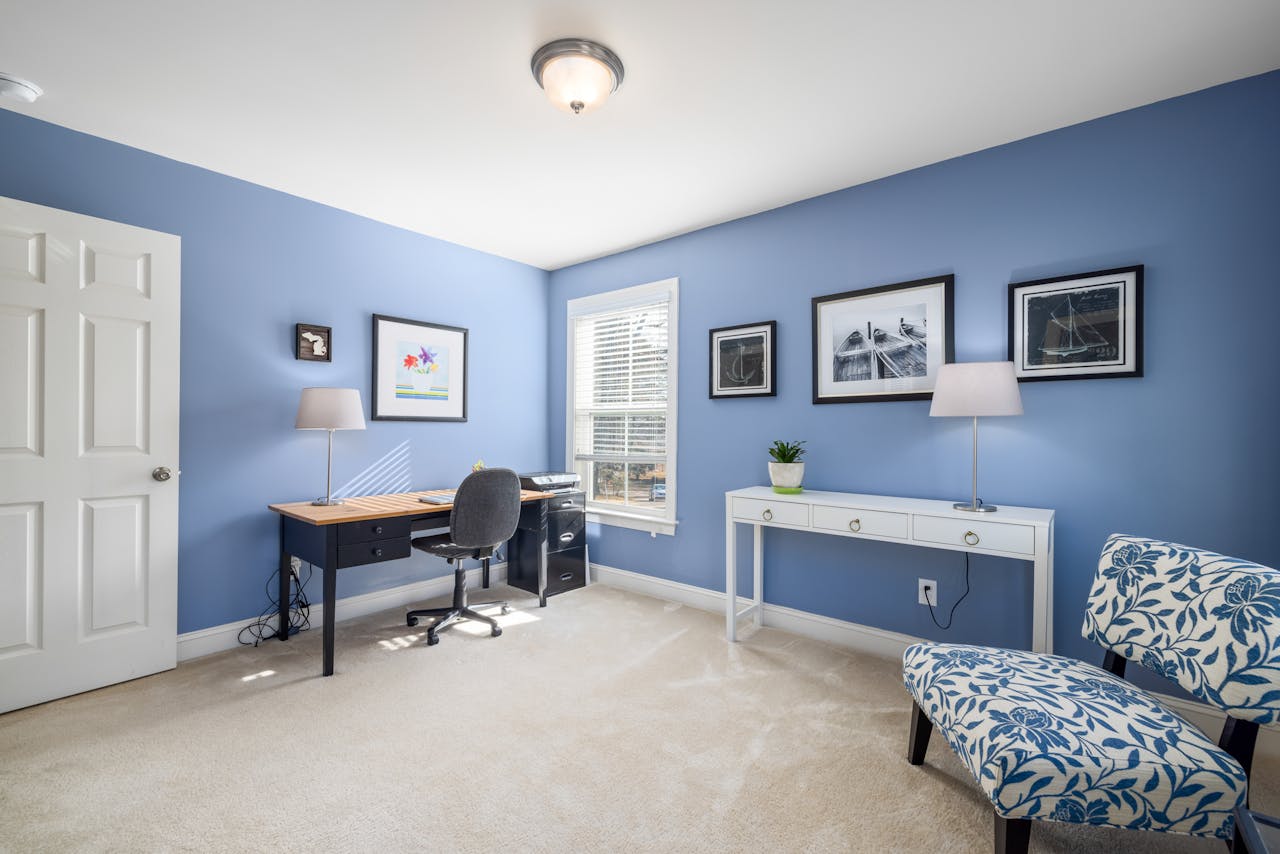
Converting a bedroom into a home office, gym, or hobby room can seem like a good idea, especially given the rise of remote work. However, doing so can reduce the number of bedrooms in your home, a key factor that many potential buyers consider. It’s generally more profitable to market a three-bedroom home than a two-bedroom one with an office.
Instead of permanent conversions, consider flexible design solutions that allow a room to serve multiple purposes. Movable partitions, Murphy beds, and convertible furniture can create a versatile space that can easily be converted back into a bedroom when it’s time to sell.
3. Adding a Swimming Pool

While a swimming pool can be a luxurious addition, it may not add as much value to your property as you might think. Pools require regular maintenance and can increase home insurance costs. Moreover, they could be seen as a safety risk, particularly for families with young children. Thus, potential buyers might be put off by a pool, seeing it more as a liability than a luxury.
If you’re keen on adding a water feature, consider a hot tub or a small, decorative garden pond. These require less maintenance and are less likely to deter potential buyers. However, always consider the climate and the preferences of potential buyers in your area before making a decision.
4. Wall-to-Wall Carpeting


In recent years, there’s been a shift towards hard flooring options, such as hardwood and tiles, and this trend is expected to continue into 2026. Wall-to-wall carpeting can be seen as outdated and impractical, especially given the maintenance it requires. It can also trigger allergies, which is a significant concern for many buyers.
Instead of carpeting, consider investing in quality hardwood or laminate flooring. These options are durable, easy to clean, and can add a timeless appeal to your home. If you prefer a softer feel underfoot, area rugs can be used to add warmth and comfort to any room.
5. Converting the Garage into Living Space
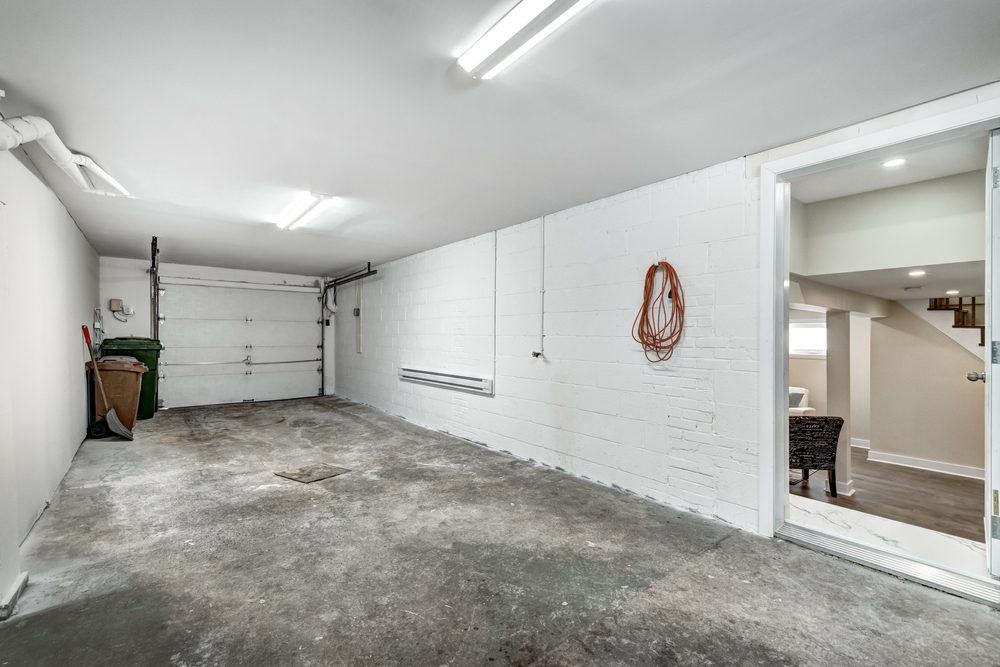
While transforming your garage into a living space can seem like a good way to add square footage, it can actually detract from your home’s value. Many buyers still value a dedicated place to park their car, store tools, or set up a workshop. In fact, a lack of garage can be a deal breaker for some buyers, especially in suburban areas where parking is at a premium.
Instead of a full conversion, consider a partial one. This allows you to create additional living space while still maintaining some garage functionality. Alternatively, if you have the space, consider building an extension or an outbuilding to add extra living space.
6. Bold and Personalized Decor


While it’s important to make your home feel uniquely yours, overly personalized or bold decor can deter potential buyers. Eccentric paint colors, unusual wallpaper, or unique fixtures can make it harder for buyers to envision themselves in your home. They may also see these features as something they’ll need to change, which can lower your home’s perceived value.
When decorating your home, focus on neutral colors and timeless styles. This doesn’t mean your home has to be boring – you can still express your personal style through removable items like art, rugs, and accessories. This way, you can enjoy a home that reflects your taste while still appealing to a broad range of buyers.
7. Over Landscaping

While a well-maintained garden can enhance your home’s curb appeal, over landscaping can have the opposite effect. Complex garden designs, exotic plants, and high-maintenance features can be off-putting to potential buyers who don’t have the time or desire to maintain them. In addition, these features can be costly to upkeep and may not provide a good return on investment.
Instead, focus on creating a garden that is easy to maintain and aligns with the natural environment. Native plants, simple lawn areas, and perennial gardens are all good choices. These options not only require less maintenance but can also support local ecosystems and improve your home’s environmental sustainability.