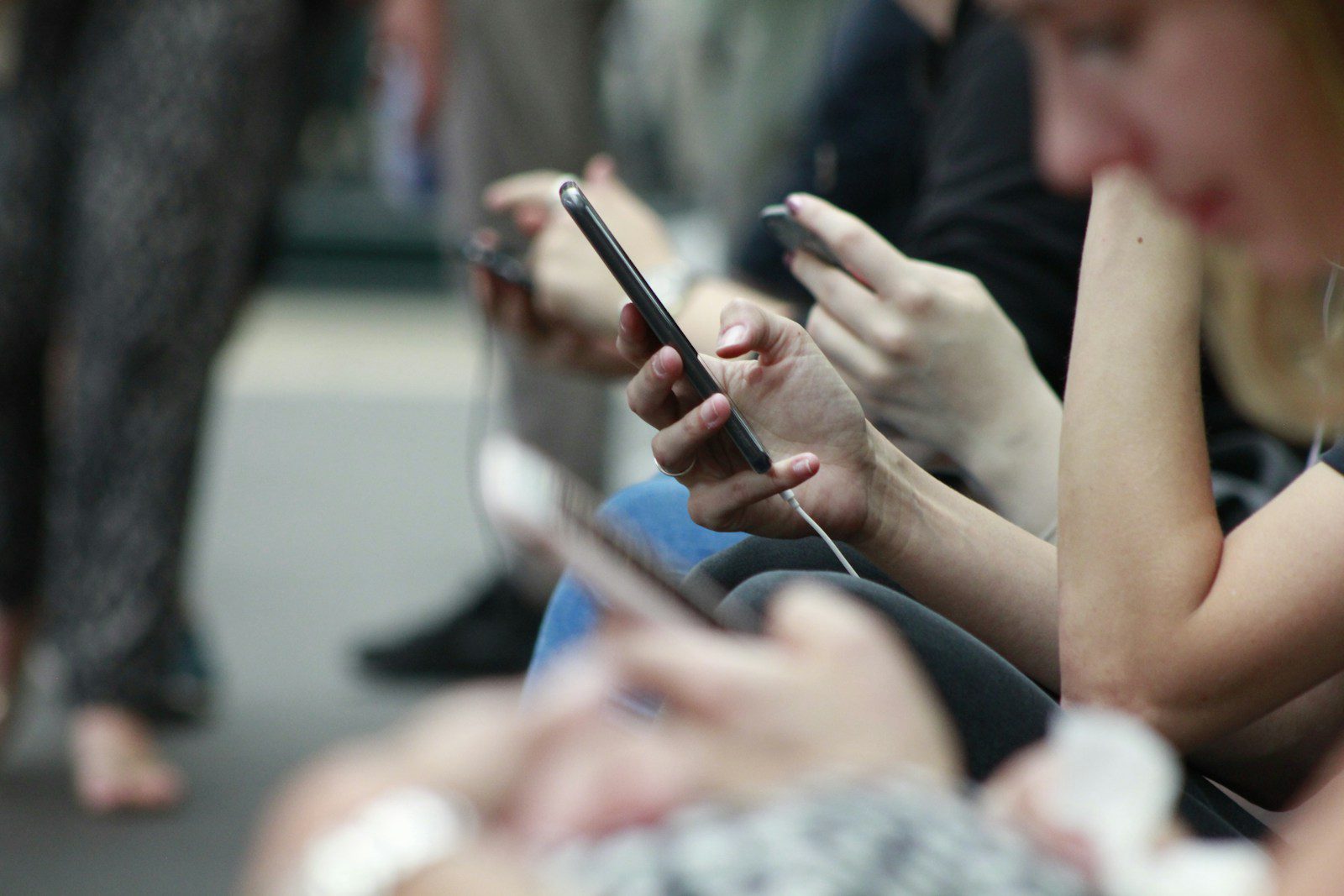
At a certain point, Boomers look around at modern life and decide, very calmly, that they are too old for certain kinds of nonsense. They are not trying to win a generational war, they are just opting out of trends that feel exhausting, shallow, or needlessly complicated. From phones to festivals, their “nope” list says a lot about what they value as they get older.
1) Ditch the Smartphone Obsession
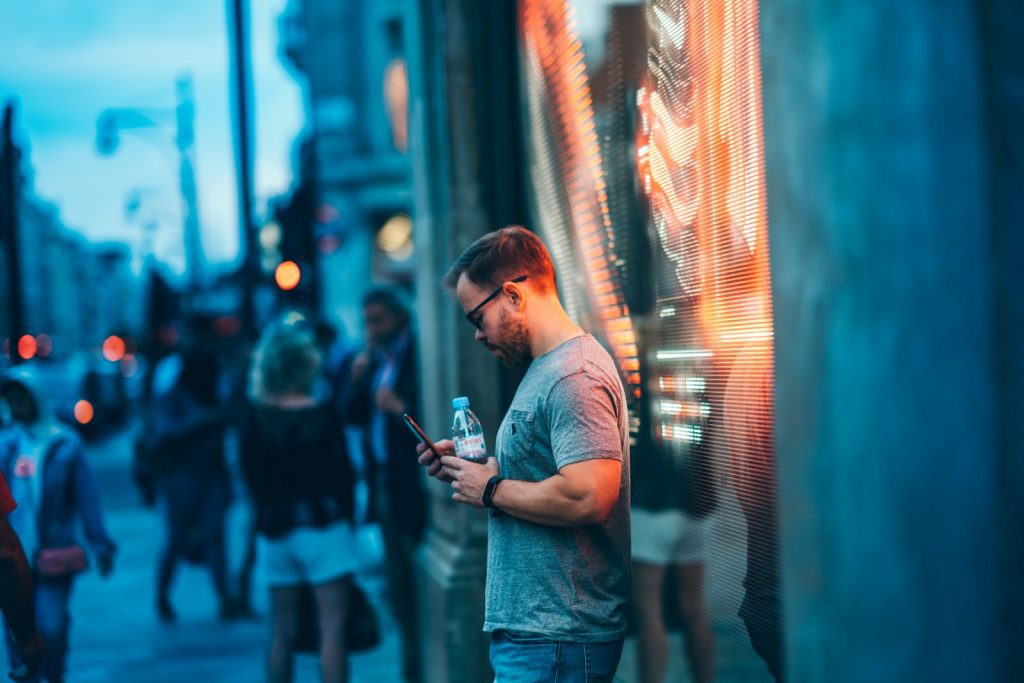
Boomers may own smartphones, but many refuse to live inside them. They roll their eyes at constant notifications and endless scrolling, saying it kills real conversation at dinner tables and family gatherings. In complaints about modern life, they often point to social media overload as a prime example of how people have become distracted and rude. For them, a buzzing phone in the middle of a story is not just annoying, it feels like a sign that basic manners are slipping away.
Instead of chasing every new app, many Boomers keep their phones for calls, texts, and maybe a few photos of the grandkids. They would rather look someone in the eye than stare at a screen full of hot takes and filters. That choice has real stakes, because it shapes how families interact across generations, and it quietly pushes back on a culture that treats constant availability as normal.
2) Skip Streaming Binge-Watching
When it comes to entertainment, a lot of Boomers are not interested in juggling five different streaming passwords. They still see traditional cable TV as the reliable way to watch their favorite shows, sports, and news. The idea of endlessly scrolling through Netflix menus or figuring out which service owns which series feels like work, not relaxation. They grew up with channel guides and remote controls, and that familiar setup still feels easier than navigating a maze of apps.
This resistance matters for more than nostalgia, because it keeps legacy TV packages alive even as younger viewers cut the cord. Boomers often like that cable bundles local stations, weather, and live events in one place, without surprise price hikes tied to streaming tiers. Their refusal to fully embrace binge culture also reflects a different rhythm of media use, one where shows fit around life instead of swallowing entire weekends.
3) Go Cashless No More
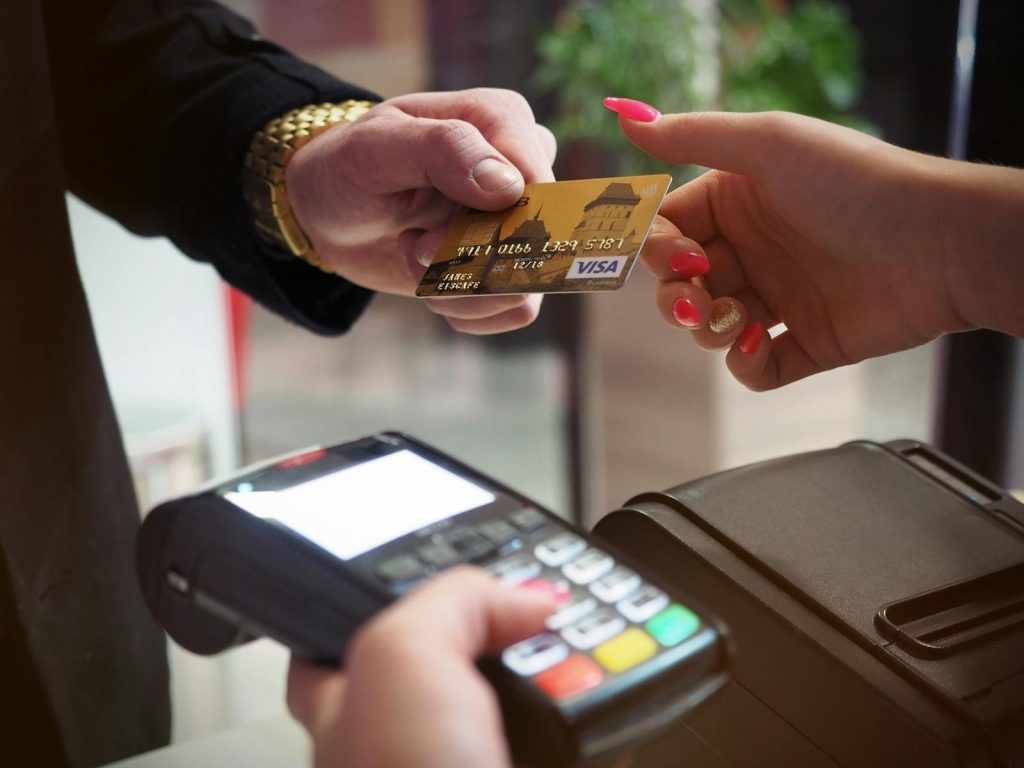
Tap-to-pay and QR codes might thrill younger shoppers, but many Boomers still want bills and coins in their wallets. They complain that the decline of physical cash makes everyday transactions feel abstract and less trustworthy. Handing over a twenty at the diner or counting out exact change at the hardware store gives them a sense of control that an invisible debit charge never will. When every purchase runs through an app, they worry about fees, glitches, and who is tracking their habits.
That skepticism has real-world consequences for businesses and banks racing toward fully digital systems. If older customers feel pushed into cashless setups, they may simply stay home or spend less. For Boomers, cash is not just money, it is a symbol of a simpler, more tangible economy, where a receipt and a handshake were enough to close the deal.
4) Ignore Viral Dance Trends
Boomers are also opting out of the pressure to perform online. Viral TikTok challenges, lip-syncs, and dance crazes mostly strike them as silly time sinks. They see adults filming themselves in grocery store aisles or parking lots and wonder when everyone stopped being embarrassed. For people who grew up with film cameras that cost money to develop, the idea of broadcasting every goofy moment to strangers feels unnecessary at best.
Instead, many Boomers keep their social media presence minimal, if they have one at all, and save their energy for in-person hobbies or long phone calls. That refusal to chase trends can frustrate younger relatives who want them in family videos, but it also highlights a deeper divide over privacy and attention. Boomers are signaling that not every joke or dance needs an audience, and that opting out of the algorithm is a valid choice.
5) Forget Smart Tech Gadgets
Smart speakers, app-controlled thermostats, and Wi-Fi light bulbs promise convenience, but plenty of Boomers see them as headaches waiting to happen. They are wary of voice-activated devices that always seem to be listening, and they do not want to troubleshoot software updates just to turn on a lamp. After decades of using simple switches and knobs, the learning curve for smart home ecosystems feels unnecessary, especially if a power outage or bad Wi-Fi can knock everything offline.
By sticking with basic appliances, Boomers are quietly challenging the idea that every object needs an app. Their skepticism forces tech companies and younger family members to confront questions about security, accessibility, and who gets left behind when homes become more like computers. For older adults, reliability beats novelty, and a sturdy analog thermostat can feel like a safer bet than the latest connected gadget.
6) Pass on EDM Raves
Music is another place where Boomers are drawing a line. They are happy to see live bands, but crowded electronic music events with pounding bass and light shows rarely appeal. Many say modern festivals feel more like social media backdrops than concerts, with fans filming entire sets instead of listening. Compared with the classic rock shows of their youth, where guitars and vocals took center stage, they feel today’s EDM-heavy lineups lack the musical depth they care about.
That preference shapes how venues and promoters program multi-generational events, from county fairs to city concerts. When Boomers spend their ticket money, they gravitate toward legacy acts and tribute bands that play familiar songs instead of DJ-driven spectacles. Their choices keep certain genres financially viable and remind the industry that not every crowd wants lasers and drops, some just want a solid live band and a seat with a decent view.
7) Ditch Mandatory Reusables
Finally, Boomers are pushing back on the expectation that everyone should carry reusable bags, cups, and containers at all times. While many support basic recycling, they bristle at rules that make eco-bags feel mandatory instead of optional. They remember tossing single-use grocery sacks without a second thought and now see long checkouts, bag fees, and forgotten totes as signs that everyday errands have become overcomplicated. Some even joke that the clutter of reusable gear at home cancels out the supposed simplicity.
Their resistance highlights a tension between sustainability goals and convenience, especially for older shoppers who may have mobility issues or fixed incomes. If environmental policies feel like constant scolding, Boomers are more likely to tune out than enthusiastically comply. That reaction forces policymakers and retailers to think carefully about how they roll out green habits, and whether they are offering realistic support instead of just guilt.
More from Decluttering Mom: