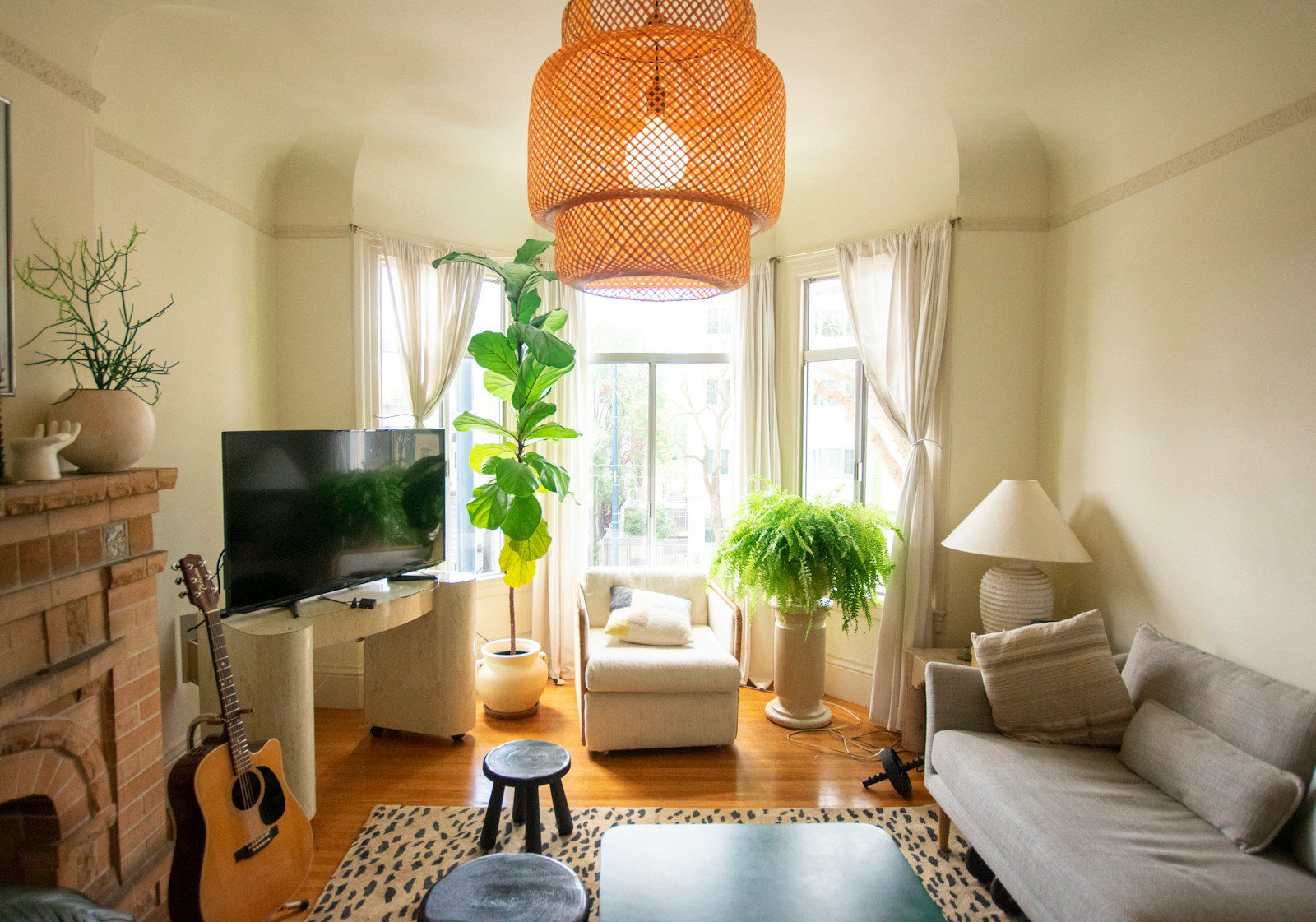
You want potential buyers to imagine living in your space, not study your life. This article shows how small changes to what you keep on display can make your rooms feel larger, brighter, and more neutral so visitors focus on the home itself.
Tuck away personal items and everyday clutter so buyers can picture their own belongings in your rooms. You’ll learn which specific things stagers hide—from photos and kids’ artwork to excess kitchen gadgets and half-used toiletries—so showings put your home’s best foot forward.
Personal photos and mementos

You should take down family photos, graduation frames, and visible keepsakes so buyers can picture themselves in the space.
Pack them away out of sight; replace with neutral art or a mirror to brighten the room.
Personal awards, kids’ artwork, and travel souvenirs also distract from the home’s features.
Staging removes those cues so you sell the house, not your life.
Excess kitchen utensils and small appliances
You should clear countertops of single-use gadgets and extra utensils to make the kitchen look spacious. Buyers notice clutter; a few clean surfaces suggest easy upkeep.
Store seldom-used appliances and duplicate tools in cupboards or a box. If you need guidance on what pros hide, see this list of items stagers remove before showings (https://www.msn.com/en-us/lifestyle/home-and-garden/8-things-home-stagers-always-hide-before-your-house-hits-the-market/ar-AA1UAr0J).
Half-used toiletries in the bathroom
You should clear half-used shampoos, lotions, and toothbrushes from counters and shower shelves.
They make the bathroom feel personal and cluttered, not spa-like.
Store them in a drawer or a labeled bin during showings.
Buyers notice small details; a tidy bathroom suggests good upkeep.
If you want examples of what stagers remove, see this list of things home stagers always hide before your house hits the market.
Seasonal or holiday decorations
Pack away themed decor so buyers can picture the home for any season. Keep one neutral accent—like a simple wreath or a bowl of pinecones—for warmth without distraction.
Store overtly personal or religious items out of sight; they narrow appeal and distract from the space. Small, tasteful seasonal touches work, but avoid anything that screams a specific holiday.
Cluttered mail and paperwork
You should clear mail, bills, and personal papers before showings to avoid clutter and protect privacy.
Stack-free counters and tidy desks help rooms feel larger and more intentional.
Store current documents in a closed drawer or a simple basket, and keep only a neat few items as decor.
For staging tips on what professionals tuck away, see what stagers recommend hiding in their pre-market checklist (https://www.realsimple.com/things-home-stagers-hide-to-make-a-home-look-less-cluttered-11781422).
Piles of laundry and clothing
Buyers peek into closets and laundry rooms, so you should remove visible piles that make spaces look small or cluttered. Fold, stash, or place them in a bin out of sight to create a neater impression.
Keep a few neutral towels and one styled robe if you want a lived-in feel, but hide baskets, drying racks, and seasonal boxes. Clear surfaces instantly make rooms appear larger and more organized.
Kids’ toys and art projects
You should clear toys, play mats, and schoolwork from visible rooms so buyers can imagine their own life in the space.
Store art projects and craft supplies out of sight; a few colorful pieces can make rooms look cluttered or personalized.
Keep a small box of favorite items for showings so cleanup is quick, and consider staging a neutral basket in a closet for easy access.
For safety and flow, remove tripping hazards like scattered toys from walkways and entryways.
More from Decluttering Mom: