Every generation passes down a mental list of things worth keeping, and for a long time it made sense — these were genuinely useful practices born out of real scarcity, real effort, and real value. But somewhere between our mothers’ generation and now, a lot of that advice quietly stopped applying, even though the habit itself kept going strong.
It’s not that the instinct to save things was ever wrong. It’s that a lot of what got saved was tied to a world that doesn’t exist anymore, and younger generations — often our own kids — are looking at these collections with genuine confusion rather than gratitude. Here are seven of the most common ones.
China and Formal Silverware Sets
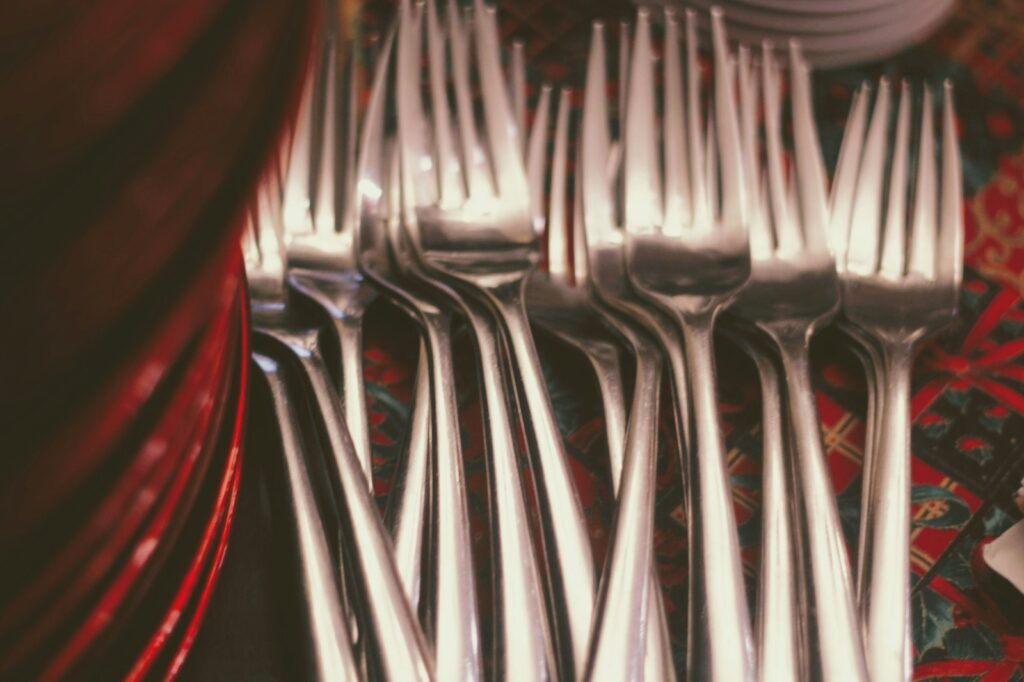
A full set of china and sterling silver was once a genuine milestone purchase, often received as wedding gifts and treated as a lifelong investment meant to be passed down. Younger adults today, many living in smaller spaces and entertaining far less formally, frequently have no interest in inheriting an eight-place setting that requires hand-washing and a dedicated cabinet. It’s worth having the conversation directly rather than assuming it will be treasured the way it once was — many families find a much smaller keepsake means more than the full set ever would.
Physical Photo Albums and Negatives
Carefully assembled photo albums represented real time, money, and effort in a pre-digital world, and they were often the only copy of a memory that existed. Younger generations, having grown up with unlimited digital storage and cloud backups, don’t always see the same urgency in physical prints, especially when a box of albums takes up real shelf space. Digitizing the most meaningful photos and keeping just a curated handful of physical prints often bridges the gap better than keeping every album intact.
Formal, Occasion-Only Clothing
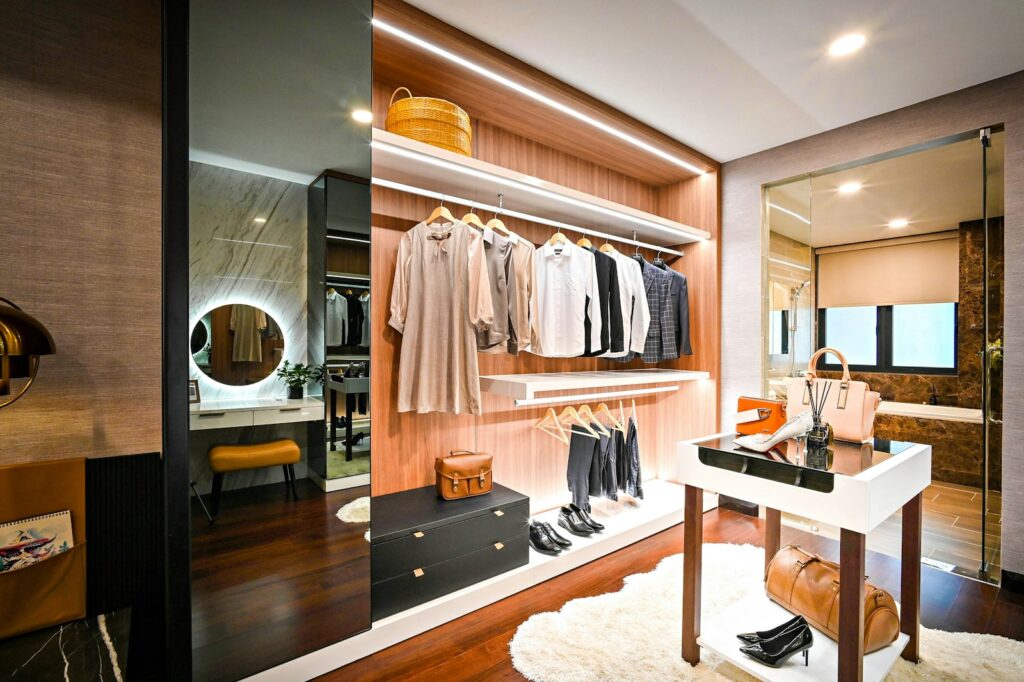
Closets full of dresses and suits worn once or twice for a specific formal event made sense in an era where formal dress codes were far more common and clothing was a bigger relative expense. Many younger adults dress far more casually day to day and simply don’t have occasions that call for a closet of formalwear, inherited or otherwise. Offering pieces individually, rather than assuming an entire wardrobe will be wanted, tends to go over much better.
Furniture Sets Bought as a Matching Collection
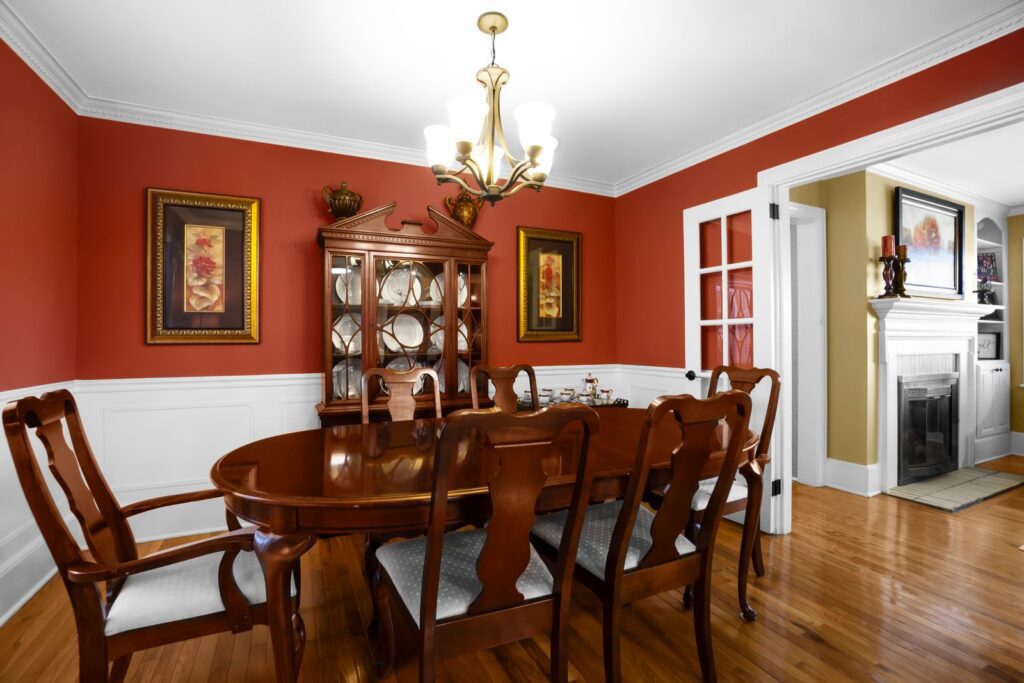
Matching bedroom and dining sets, bought as a unit and meant to last a lifetime, were a point of pride for a generation that valued durability and uniformity in furniture. Younger buyers today more often mix pieces from different sources and prioritize what fits their specific space over a matched look. A full dining set that doesn’t fit anyone’s current home or style ends up in storage rather than use, which defeats the purpose of keeping it in the first place.
Handwritten Letters and Greeting Cards
A saved box of letters and cards was once one of the only lasting records of a relationship, exchanged before texting, email, or video calls existed. While the sentiment behind wanting to preserve them is completely understandable, younger generations who’ve never relied on paper correspondence sometimes don’t feel the same pull to inherit boxes of someone else’s mail. Selecting the handful that carry the most meaning, rather than the entire collection, usually finds a better home with the next generation.
A Deep Freezer Stocked “Just in Case”
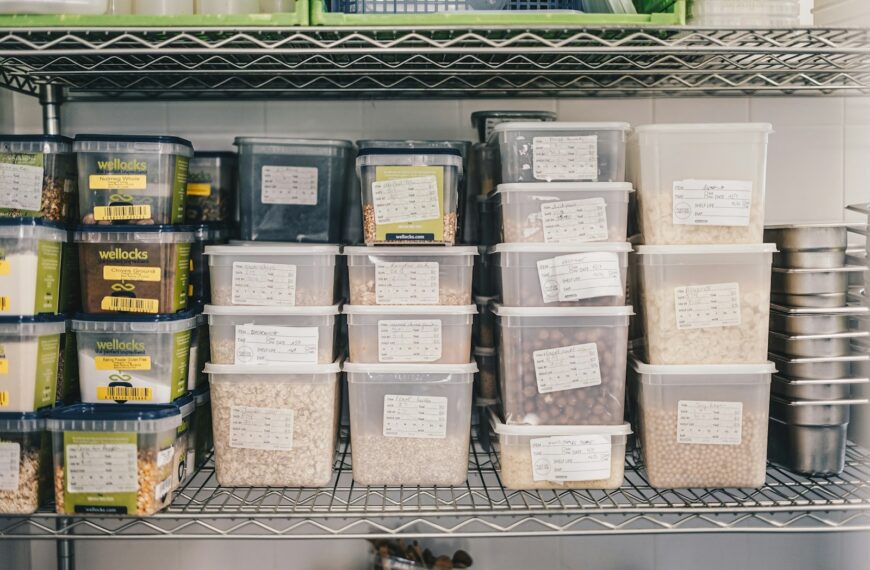
Keeping a fully stocked chest freezer made enormous sense for a generation that lived through periods of real economic uncertainty, less frequent grocery access, or simply larger households to feed. Many younger households today shop more frequently in smaller amounts and don’t keep the same kind of deep reserve, in part because grocery delivery and nearby stores have changed what “just in case” actually requires. It’s a habit worth keeping if it genuinely serves your household, but it’s not automatically something the next generation will want to maintain the same way.
Craft Supplies and Fabric Stockpiles
Sewing, quilting, and craft supplies accumulated over decades represent real skill and real hours of work, often built up because materials were harder to source and hobbies like sewing were more commonly passed down mother to daughter. Not every younger family member picks up the same hobby, and a garage full of fabric and craft supplies can feel like an obligation rather than a gift to someone who doesn’t sew. Offering the collection to a local guild, school art program, or fellow hobbyist often does more good than passing it down to someone who won’t use it.