We’ve all had the experience of opening a drawer or cabinet and being genuinely startled by how much of one particular thing has quietly accumulated. It’s rarely a conscious decision to hoard a category of items — it happens one reasonable-seeming purchase at a time, until one day you realize you own eleven tote bags, seven half-used candles, or enough travel-size toiletries to survive a small apocalypse.
Part of what makes these categories so sneaky is that each individual purchase feels justified in the moment: the candle was on sale, the water bottle looked nicer than your old one, the tote bag was free with a purchase. But the cumulative effect is real clutter, and often real wasted money. Here are seven things people tend to keep buying long after they’ve already got more than enough.

Water Bottles and Travel Mugs
It seems like every conference, race, and corporate gift basket comes with a new water bottle, and most households end up with a cabinet shelf dedicated entirely to a mismatched collection of bottles and mugs in various states of use. Even without any outside gifts, it’s easy to buy a new one every time an old lid starts leaking or a new design catches your eye at the store. Realistically, most people only need two or three bottles in regular rotation — one for daily use, one as backup, maybe one for the gym bag. Doing a periodic purge of duplicates, keeping only the ones that seal properly and actually get used, frees up a surprising amount of cabinet space.
Tote Bags and Reusable Shopping Bags
Free tote bags from bookstores, farmers markets, work events, and grocery store promotions add up fast, and because each one arrives for free, it never quite feels like a purchase worth reconsidering. Before long, a closet shelf or car trunk holds two dozen bags when five or six would easily cover weekly errands. Because they’re inexpensive or free, people rarely think to declutter them the way they would a more expensive item. Keeping a small favorite rotation and donating the rest to a food pantry or thrift store, which often need bags for their own operations, is a simple way to right-size this category.
Scented Candles
Candles are a common gift, a common seasonal impulse buy, and a common “treat yourself” purchase, which means many households end up with a drawer or shelf full of half-burned candles in scents that no longer match their taste or the season. Because each candle feels like a small, affordable luxury, it’s easy to buy a new one before finishing the last several. A practical rule of not buying a new candle until at least two current ones are finished helps prevent this slow buildup. Unused candles that no longer appeal to you can typically be donated to a shelter or given to a neighbor rather than left to collect dust.
Travel-Size Toiletries
Hotel toiletries, drugstore travel sizes, and airline amenity kits accumulate in a bathroom drawer faster than most people realize, often because each individual bottle feels too small to bother throwing away. Over time, this turns into a drawer packed with dozens of half-used, unlabeled bottles of shampoo, lotion, and mouthwash. Consolidating what’s usable into a single travel bag ready to go for the next trip, and donating the rest to a shelter or transitional housing program that can use them immediately, clears the drawer without waste. Going forward, resisting the urge to grab “free” hotel toiletries you don’t actually need prevents the pile from rebuilding.
Phone Chargers and Charging Cables
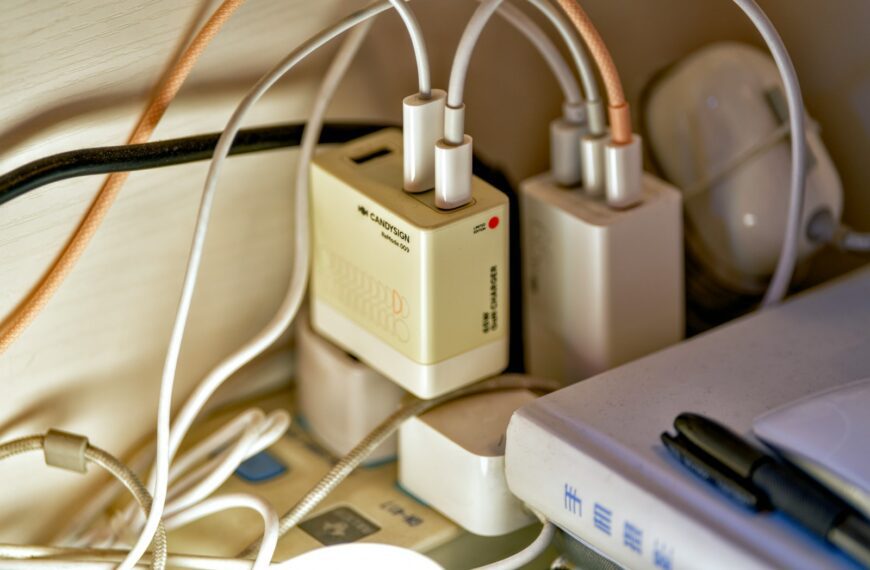
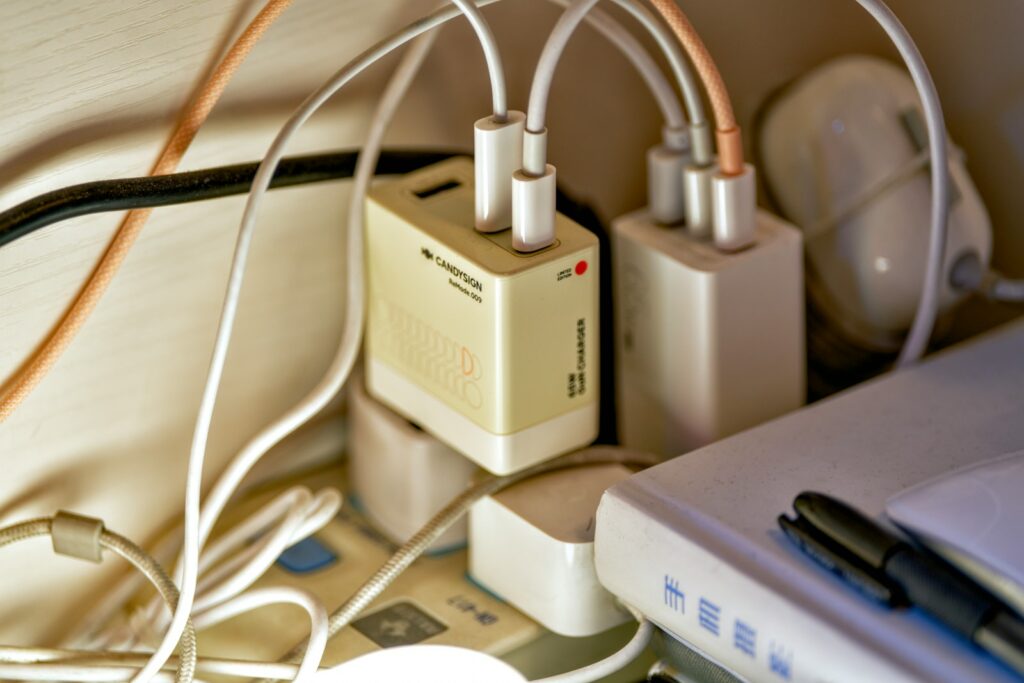
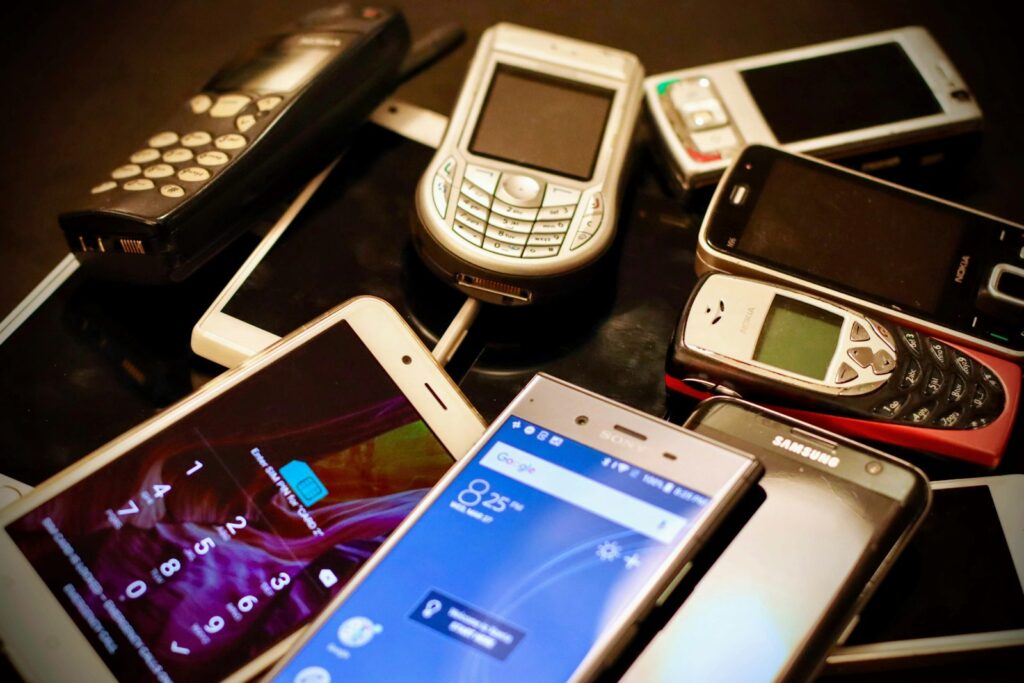
Nearly everyone ends up buying a spare charger after misplacing one, only to later find the original in a coat pocket or car console, resulting in more cables than devices to plug them into. Multi-packs from online retailers make it especially easy to over-buy in bulk without realizing how many are already scattered around the house. A quick household-wide cable audit, done once or twice a year, usually turns up several duplicates that can be consolidated into one designated drawer. Keeping just enough for each device plus a reasonable backup, rather than continuing to buy more “just in case,” prevents this drawer from growing indefinitely.
Kitchen Storage Containers and Lids
Plastic and glass food storage containers multiply through gift sets, restaurant leftovers, and impulse buys at the store, and because lids and bases don’t always match evenly, many households end up with far more containers than they can actually use as complete sets. It’s common to keep buying new sets while a cabinet already holds mismatched lids with no matching base and vice versa. Doing a matching audit — pairing every lid with its base and recycling anything left over — usually reveals that a household already owns more than enough for regular meal prep and leftovers. Committing to that final count before buying another set keeps this particular cabinet from becoming an avalanche waiting to happen.
Tupperware-Style Storage for the Pantry
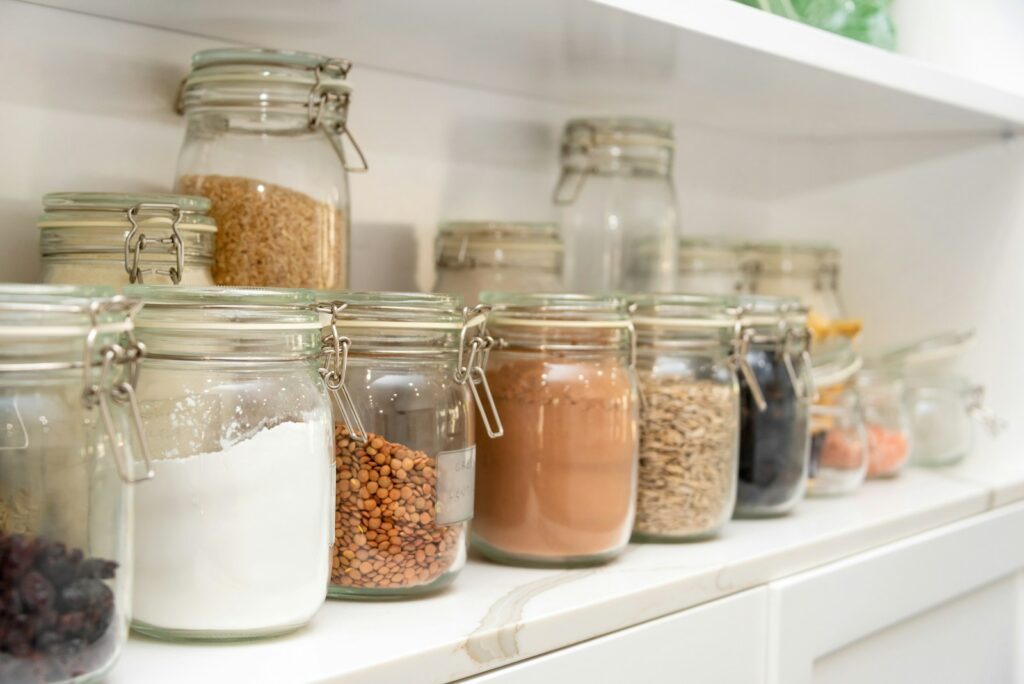
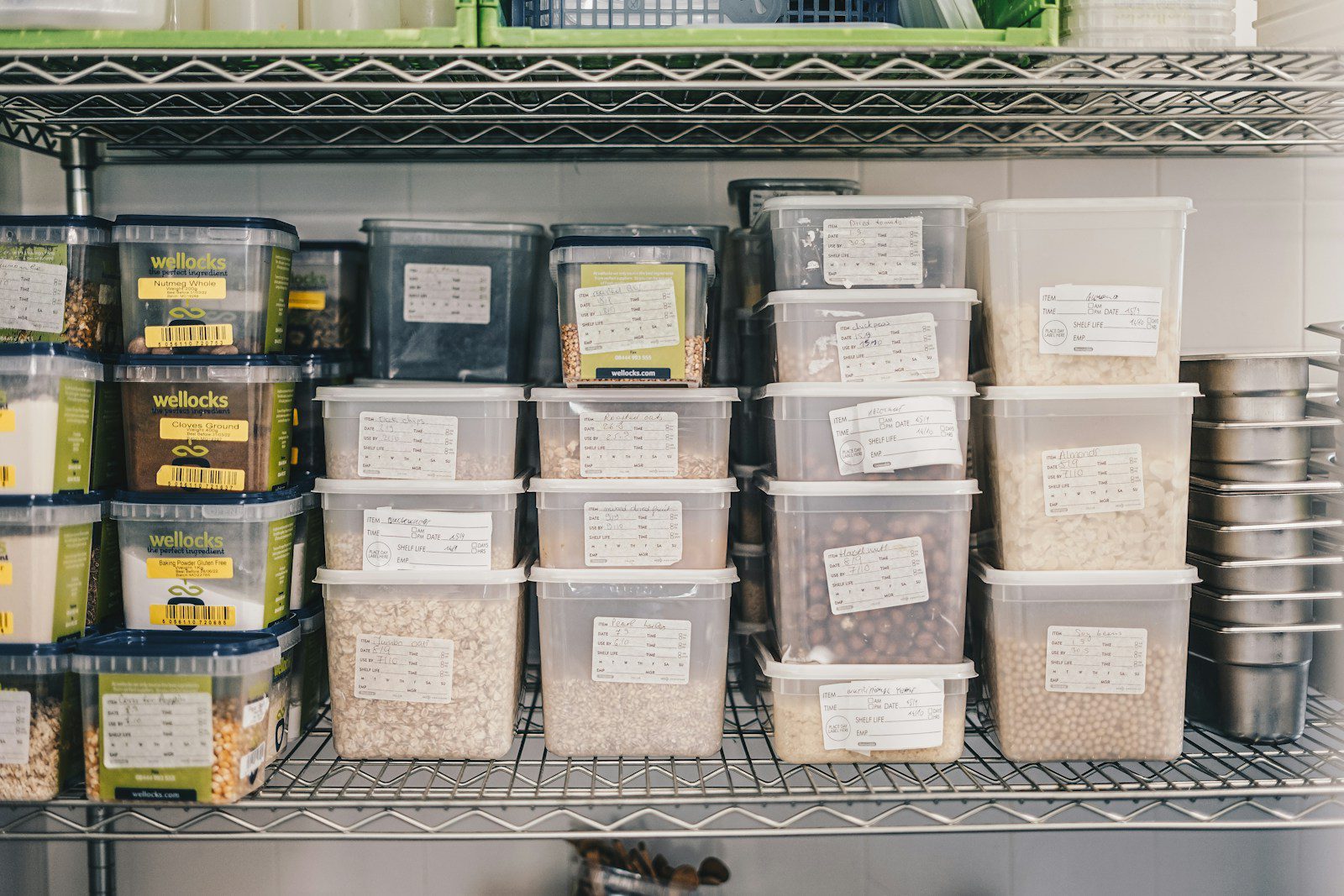
Decorative canisters and stackable bins for pantry staples like flour, sugar, pasta, and cereal are popular for good reason, but it’s easy to keep buying new sets whenever a fresh aesthetic trend catches your eye, without getting rid of the older ones first. This results in more containers than a pantry actually has room to store filled and functional, with empty extras taking up the very space they were meant to organize. Measuring actual pantry shelf space and sticking to one cohesive set, rather than layering in a new collection every year or two, prevents this well-intentioned organizing tool from becoming its own clutter problem. Extra unused containers can typically be donated to someone just starting to organize their own pantry.