We’ve all been there—standing over the kitchen sink, the smell of last night’s dinner still lingering, and the garbage disposal just begging for a little action. It’s tempting to toss everything down there, right? But hold on! Before you channel your inner food magician, let’s chat about what absolutely doesn’t belong in that seemingly magical little hole in your sink. Trust me, your disposal will thank you, and you’ll save yourself a world of trouble.
1. Fibrous Vegetables
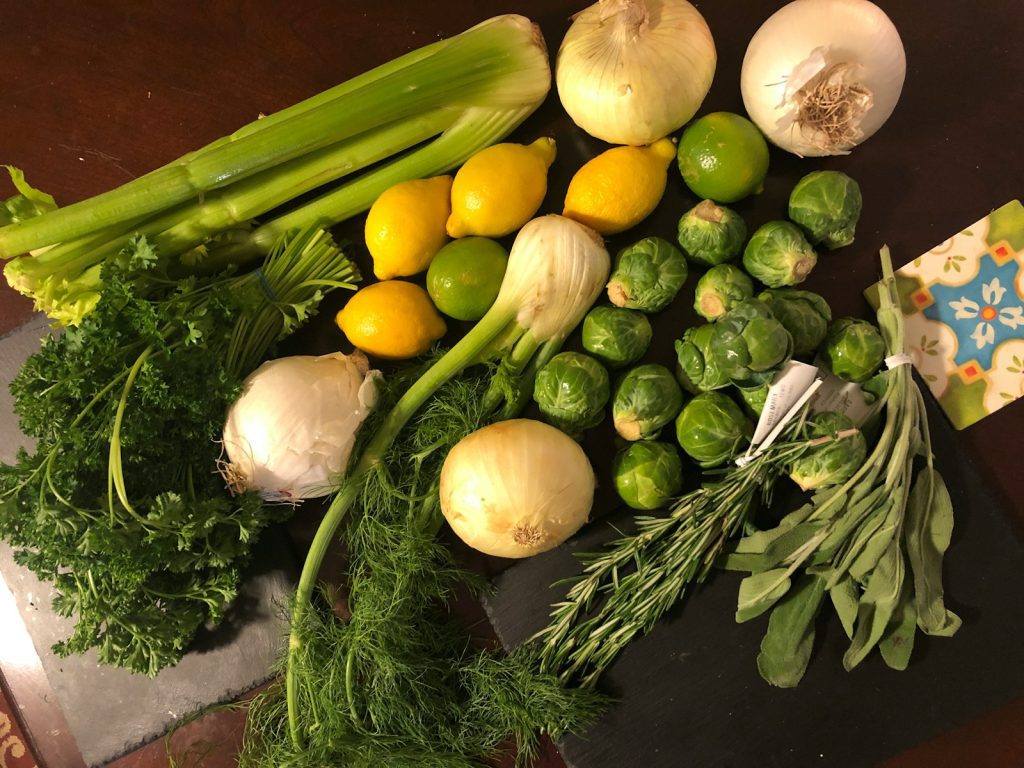
Let’s kick things off with a classic offender: fibrous veggies like celery, corn husks, and artichokes. Sure, they seem harmless, but those tough fibers can wrap around the blades and cause a jam faster than you can say “vegetable medley.” You’ll end up with a sad, clogged disposal and a mess that’s not nearly as fun to clean up as it is to prepare your stir-fry.
2. Starchy Foods
Next up is the starchy crew—potatoes, rice, and pasta. I know, I know, they’re staples in many kitchens, but they turn into a gluey mess in the disposal. Imagine trying to shove a sticky glob down a tiny hole; it’s not pretty. Instead, toss those leftovers in the compost or the trash, and keep your disposal running smoothly.
3. Grease and Oil
Now, let’s talk about grease. Whether it’s leftover bacon fat or the drippings from your Sunday roast, pouring grease down the disposal is like inviting a gremlin to a party. It might seem like a quick solution, but grease solidifies and clogs pipes over time. Instead, let it cool and throw it in the trash. Your plumbing will thank you, and you won’t be left with a gunky mess.
4. Coffee Grounds
If you’re a coffee lover, this one might sting a bit. Those used coffee grounds? They’re not friends of your disposal. While it’s tempting to just send them down the drain, they can accumulate and create a sludge that clogs everything up. So, if you want to keep your morning brew flowing smoothly, consider composting the grounds instead. Your garden will love you!
5. Eggshells
Eggshells might seem like they’d be fine to toss in the disposal—after all, they’re biodegradable, right? Not quite! While the membrane can actually tangle with the blades, the shells can create a fine grit that builds up in your pipes. It’s like trying to clean up after a messy breakfast without a paper towel. Instead, save those shells for your garden; they’re a great natural fertilizer!
6. Fish and Seafood
Ah, seafood lovers, this one’s for you! While it might be tempting to send those shrimp shells and fish scraps down the disposal, they can cause some serious odor problems. Fish scraps can create a smelly situation that lingers long after you’ve cleaned up. So, if you’re looking for a fishy-free kitchen, stick to the trash or compost bin for those leftovers.
7. Non-Food Items
This one’s a no-brainer, but you’d be surprised how many people think their disposal can handle non-food items. Things like paper, plastic, or even small utensils should never go down there. Not only do they not break down, but they can wreak havoc on your disposal’s motor. So, if you’ve got a rogue spoon or a piece of tinfoil, give them a proper send-off to the trash instead.
What To Do Instead
So, now that we’ve covered what not to put down the garbage disposal, what should you do with all those leftovers? First off, consider composting. It’s a fantastic way to reduce waste and give back to the earth. If composting isn’t your thing, keep a dedicated trash bin for organic waste. You’ll feel like a kitchen hero, and your disposal will be much happier.
In conclusion, it’s all about keeping that little machine running smoothly and avoiding the dreaded clog. So next time you’re tempted to toss something questionable down the disposal, pause for a moment. Ask yourself: is this going to be my next plumbing nightmare? If the answer is yes, just walk it to the trash instead. Your kitchen—and your wallet—will thank you!