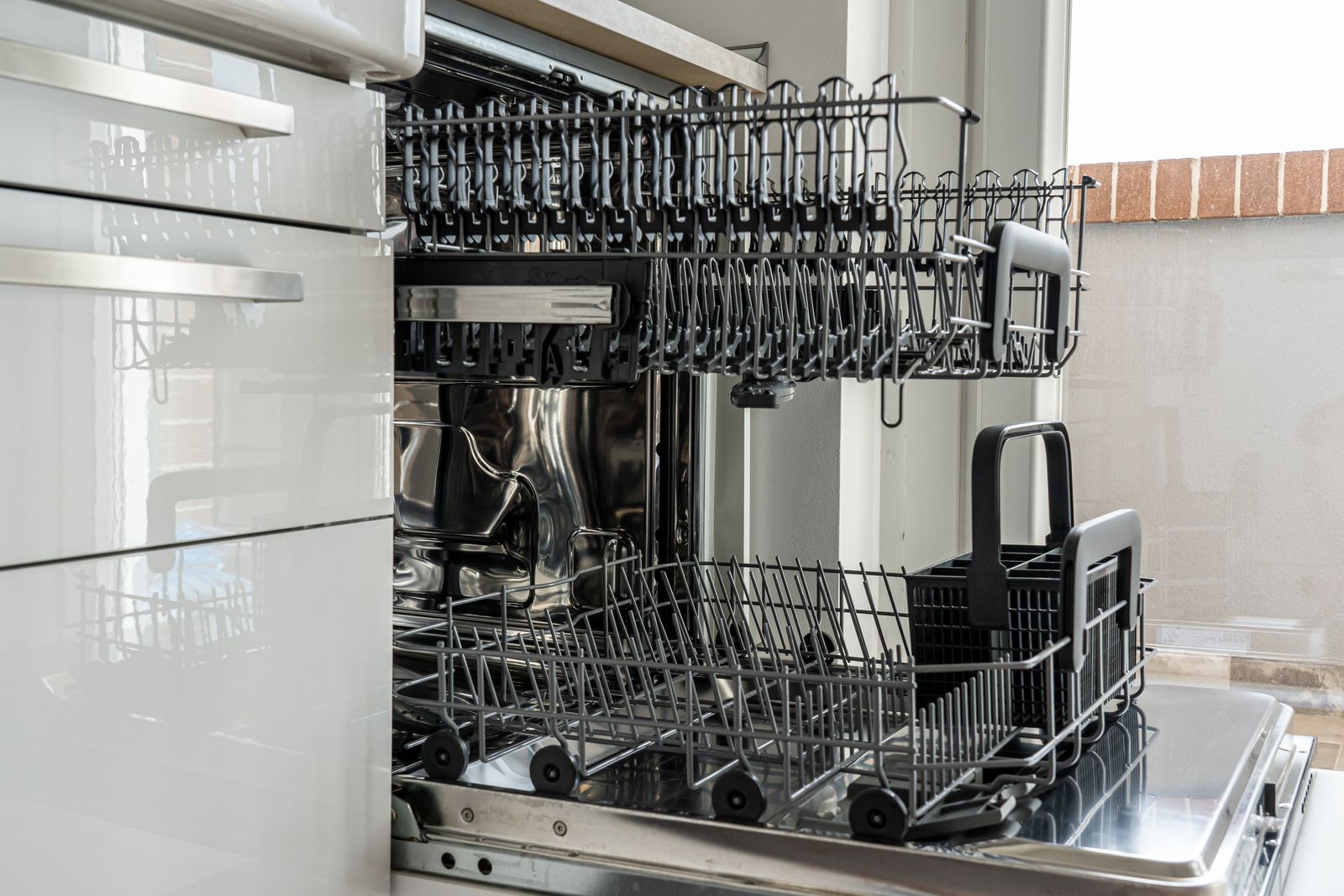
The dishwasher feels like a magic box that solves the problem of dirty dishes forever, so it’s tempting to load absolutely everything into it and let the machine sort it out. Unfortunately, a fair number of kitchen items that technically fit inside a dishwasher come out worse for the experience: warped, dulled, faded, or just quietly ruined in a way you don’t notice until it’s too late.
The high heat, harsh detergent, and aggressive water pressure that make a dishwasher so effective at blasting off baked-on food are exactly what damages certain materials over repeated cycles. Here’s what to keep washing by hand instead.
Cast Iron Skillets
Cast iron cookware relies on a seasoned layer of oil baked into the surface to stay non-stick and rust-resistant, and dishwasher detergent is specifically designed to strip away grease and oil. Running a cast iron pan through the dishwasher removes that seasoning and exposes bare metal to prolonged water contact, which can lead to rust. Hand washing with minimal soap and drying immediately, then re-oiling occasionally, keeps cast iron in good shape for decades.
Wooden Cutting Boards and Utensils
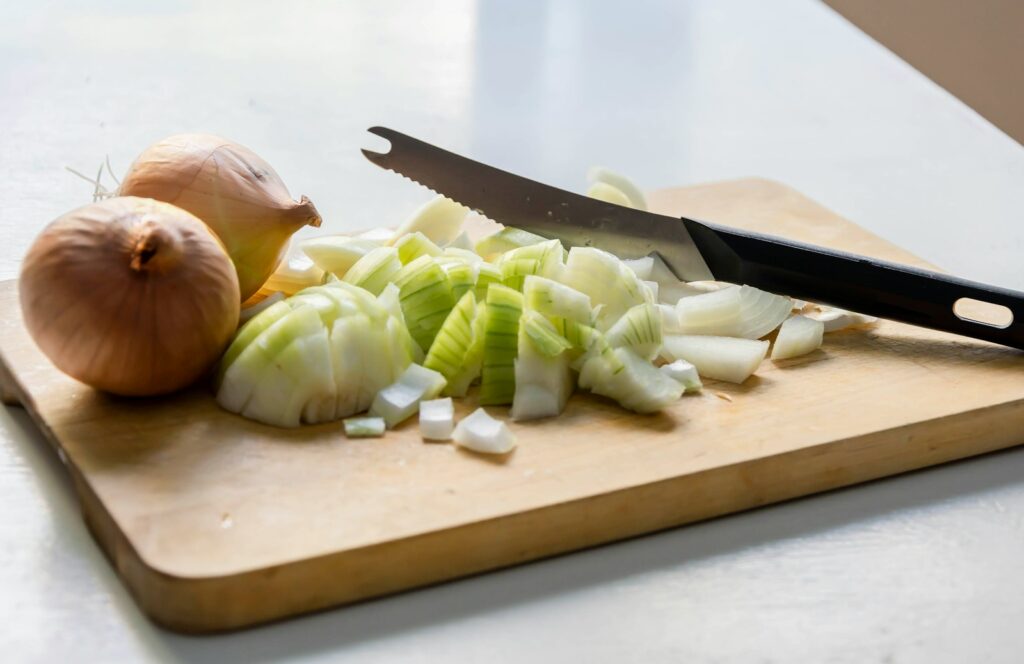
Wood is a natural material that absorbs and releases moisture, and the prolonged high-heat water exposure inside a dishwasher causes it to warp, crack, and eventually split along the grain. A wooden spoon or cutting board run through even a handful of dishwasher cycles can develop rough, splintering edges that weren’t there before. Hand wash wood items with warm soapy water and dry them standing up right away.
Non-Stick Pans With Delicate Coatings
The combination of high heat, harsh detergent, and other items banging against a non-stick pan during a dishwasher cycle can wear down the coating faster than hand washing would. Once that coating starts to degrade, the pan loses the very quality that made it worth buying in the first place. A quick hand wash with a soft sponge protects the coating and extends the pan’s usable life considerably.
Insulated Travel Mugs and Thermoses
Insulated drinkware relies on a sealed vacuum layer between an inner and outer wall to keep drinks hot or cold, and the heat and pressure of a dishwasher cycle can compromise that seal over time. Once the seal is damaged, the insulation stops working properly, even though the mug still looks fine from the outside. Hand washing with a bottle brush keeps the insulation intact for much longer.
Sharp Knives
Dishwasher cycles knock knives around against other items, which dulls the blade edge faster than careful hand washing would, and the prolonged moisture exposure can also promote rust on the blade or affect wooden or bonded handles over time. There’s also a real safety concern: reaching into a dishwasher rack full of hidden sharp edges is an easy way to get cut. Hand washing knives immediately after use, then drying and storing them properly, keeps both the blade and your hands safer.
Delicate Glassware and Crystal
Fine stemware, crystal, and delicate hand-painted glassware are more prone to chipping, clouding, or losing their finish under the heat and water pressure of a dishwasher cycle than everyday glasses are. Repeated dishwasher cycles can leave a permanently cloudy film on crystal that’s difficult or impossible to remove. Hand washing these pieces gently, right after use, preserves their clarity and finish far better.
Anything With Loose Labels or Stickers
Items with adhesive labels or stickers, like new mason jars or reused containers, often shed that adhesive residue during a dishwasher cycle, and the loosened glue can end up gumming up the machine’s filter or spray arms. It’s a small thing that causes an outsized annoyance later when the dishwasher starts draining poorly or smelling off. Remove labels fully with warm soapy water before anything goes into the machine.