“Just in case” is the most persuasive phrase in the English language when you’re standing over a drawer deciding whether to keep something. Just in case the button falls off. Just in case that charger comes back into style. Just in case you host a dinner party for fourteen people using only mismatched glassware. The case, statistically, never actually arrives.
Most of us are hoarding an entire alternate household of backup items for scenarios that happen once a decade, if ever, while the actual everyday stuff gets buried underneath it. The good news is that letting go of “just in case” items rarely comes back to bite you, because the replacement cost or inconvenience of not having it is almost always smaller than the cost of storing it for years. Here’s what to release without the guilt trip.
Tupperware Without Matching Lids
Every kitchen has The Drawer: the one crammed with plastic containers that no longer have a partner, plus a pile of lids that fit nothing currently in your possession. You keep them because surely, someday, a lid will show up. It won’t. Pull everything out, match what you can, and recycle or trash the singles immediately rather than putting them back in “just in case” the missing half turns up in six months. A container without a lid isn’t storage, it’s a bowl, and you probably already have enough bowls.
Cords and Chargers for Devices You No Longer Own
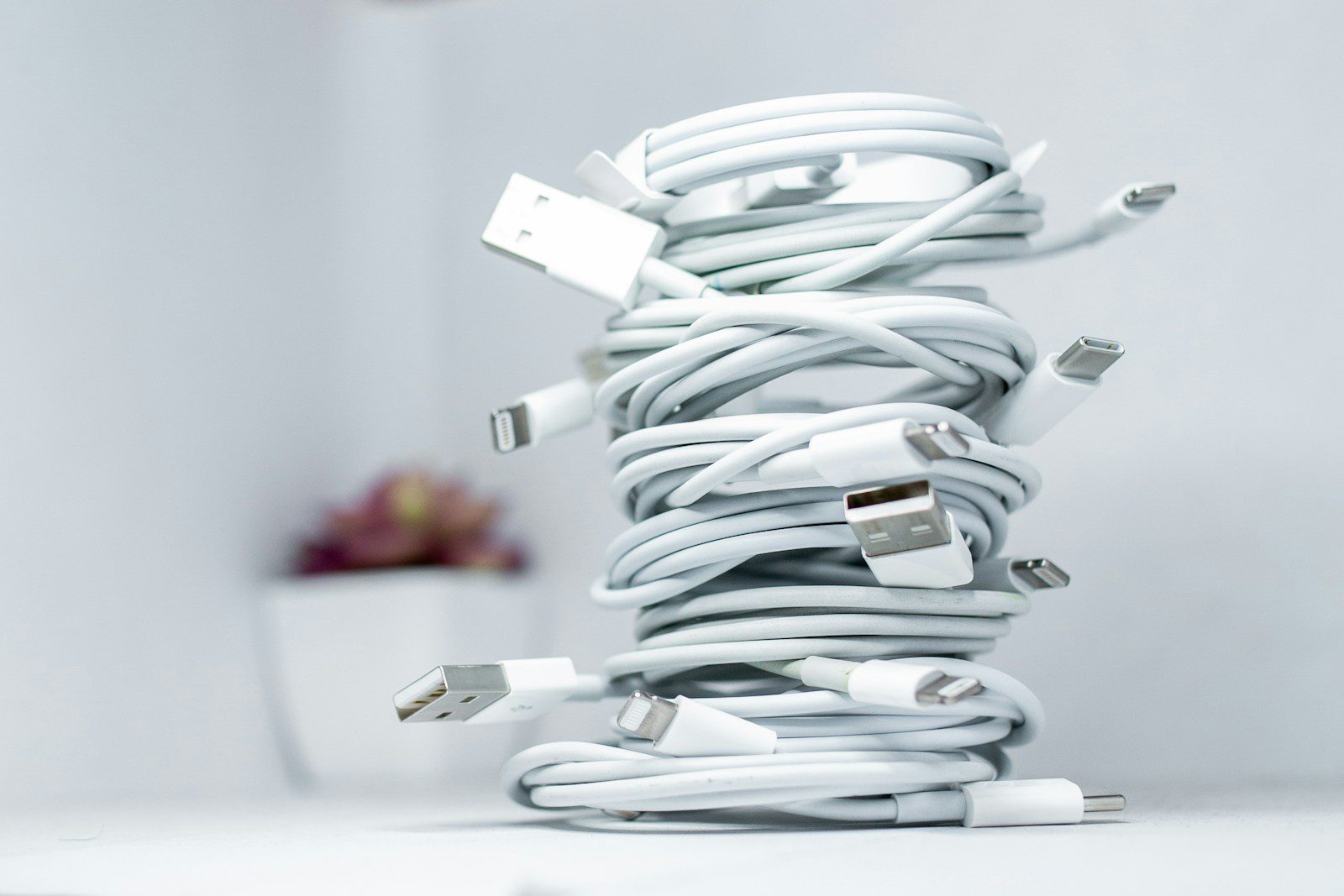
That tangle of cables in a kitchen drawer or basement bin almost certainly includes chargers for phones you upgraded from three devices ago, cords for a printer you replaced, and at least one mystery cable nobody can identify. Technology changes fast enough that saving old cords rarely pays off, and when it does, a $10 replacement is easier than untangling a drawer of unlabeled cables to find the right one. Keep chargers for devices currently in the house and let the rest go to an electronics recycling drop-off.
Old Towels Saved for Painting or Cleaning
Every household seems to accumulate a stash of threadbare towels “for painting” or “for the car” that never actually gets used for painting or cars. They sit in a linen closet or garage shelf taking up space that could hold towels you’d actually want to dry off with. If you haven’t touched the painting towels during the last three painting projects, you don’t need a dedicated painting towel stash. Keep two or three rags for genuine messes and donate or recycle the rest as textile waste.
Take-Out Condiment Packets
The junk drawer soy sauce and ketchup packet collection grows without anyone actively deciding to grow it. These packets get shoved aside “just in case” you run out of the real thing, but they rarely get used before they expire or get crushed into a sticky mess at the bottom of the drawer. Toss what’s already there, and make a habit of declining extras at pickup counters going forward so the pile doesn’t rebuild itself within a month.
Free Tote Bags and Promotional Water Bottles
Conferences, school fundraisers, and grocery store checkout lines have handed you a small mountain of branded tote bags and insulated water bottles over the years. You don’t need fourteen tote bags or nine water bottles for one household, no matter how nice the free one from last year’s work event seemed at the time. Pick your two or three favorites for actual daily use and donate the rest to a school, shelter, or thrift store where someone will actually use them instead of storing them in a cabinet.
Wrapping Paper Scraps and Bows
Saving small leftover pieces of wrapping paper and slightly used bows feels frugal in the moment, but most of us end up buying fresh rolls for the next gift anyway because the scraps are too small or too crumpled to use well. A gift wrap stash that’s mostly odd scraps and flattened bows isn’t really saving you money, it’s just taking up a shelf. Keep full or near-full rolls in usable colors and recycle the rest.
Expired Coupons and Old Warranty Paperwork
A drawer of expired coupons and warranty cards for appliances you no longer own is dead weight disguised as being financially responsible. Coupons past their date are worthless, and warranty paperwork for a blender you donated three moves ago isn’t protecting anything. Go through the pile once, keep only warranties for items you currently own and that are still under coverage, and shred the rest.