


Your kitchen countertop is one of the most used spaces in your home. It often becomes a catch-all for various items, which can lead to clutter and make your kitchen less efficient and harder to clean.
Knowing what not to keep on your countertops can help you maintain a cleaner, more organized, and safer kitchen space. By cutting down on certain items, you’ll create room for what truly matters, making your daily routine smoother and more enjoyable.
Raw meat
You should avoid leaving raw meat on your countertops. Bacteria like salmonella and E. coli can spread quickly, increasing the risk of cross-contamination.
Always keep raw meat refrigerated until you are ready to use it. If raw meat touches your countertop, clean the surface thoroughly right away.
Using a cutting board when preparing raw meat is a safer option. This habit helps protect your counters and keeps your kitchen healthier.
Unwashed fruits and vegetables
Keeping unwashed fruits and veggies on your countertop can invite bacteria and dirt to stay close. These foods might look fresh, but they can carry pesticides, germs, or even tiny insects you don’t want near your meals.
Washing produce before eating or cooking helps remove these unwanted elements. Avoid using soap or detergent, as produce can absorb chemicals; rinsing with water is the safest bet.
If you want to make your kitchen safer, give your fruits and vegetables a quick scrub or rinse as soon as you bring them home. It’s a simple habit that protects your health.
Bread in plastic bags
Keeping bread in plastic bags might seem convenient, but it can cause problems. The plastic traps moisture, which makes the crust soft and soggy. This also creates the perfect environment for mold to grow faster.
If you want to keep your bread fresh, avoid leaving it in plastic on the countertop. Instead, use a paper bag or a bread box. These options allow air to circulate, which helps maintain the texture of your bread longer.
For longer storage, consider freezing your bread in slices. Thaw only what you need to keep it fresh without sacrificing quality. This way, you reduce waste and always have fresh bread ready.
Knives
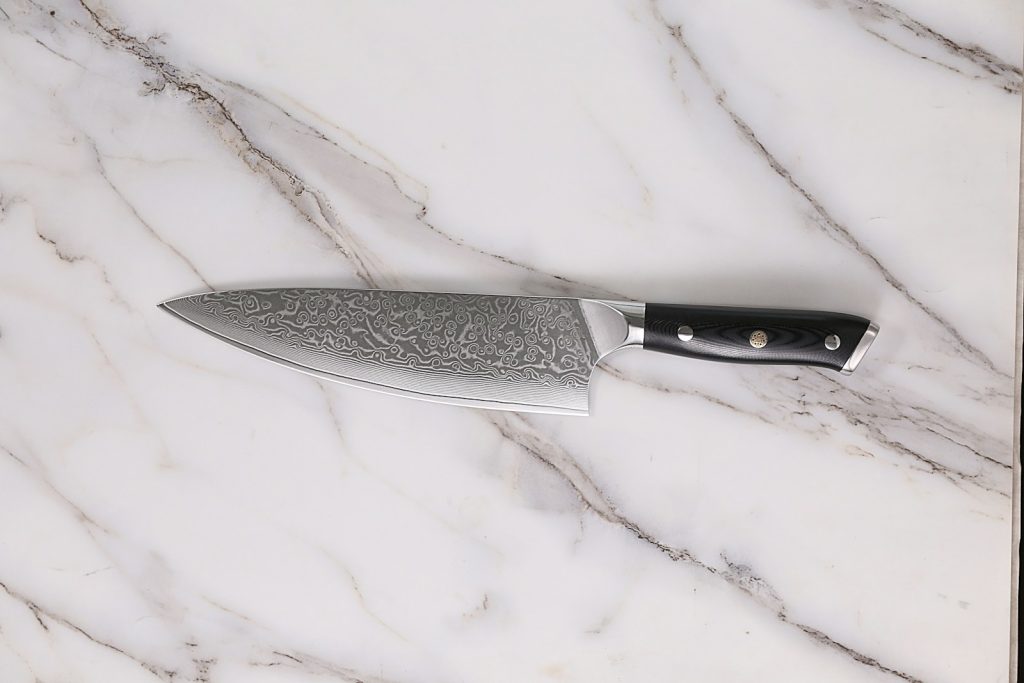
Keeping knives on your countertop might seem convenient, but it can actually take up valuable space you need for preparing meals. Knife blocks or magnetic strips are better places to store them safely.
When knives sit out, they can collect crumbs and oils, which isn’t very hygienic. Storing them properly helps keep your kitchen cleaner and more organized.
By putting your knives away, you also reduce the risk of accidents, especially if you have kids around. It’s a simple step that makes your kitchen safer and tidier.
Large appliances when not in use
You might be tempted to leave large appliances on your countertop for convenience. However, they can take up valuable space and make your kitchen feel cluttered.
When not in use, it’s better to store items like bread makers, slow cookers, or stand mixers in cabinets or on shelves. This keeps your counters clear and gives you more room to work.
Plus, some large appliances consume electricity even when idle. Unplugging them helps you save energy and reduces fire risk. Keeping your countertops clear also makes cleaning much easier for you.
Expired spices
You might keep spices on your countertop because they’re handy while cooking. However, expired spices lose their flavor over time and won’t add much taste to your dishes.
Spices don’t spoil like fresh food, but they do lose potency. Keeping them on the counter exposes them to heat and light, which speeds up this process.
It’s better to store spices in a cool, dark place like a cabinet. This helps preserve their freshness, so your meals stay flavorful longer.
Opened cans
You should avoid leaving opened cans on your countertops. They can spill easily, creating a mess that’s tough to clean.
Opened cans also expose food to air, which can lead to spoilage faster than if stored properly. This might affect taste and safety.
Instead, transfer leftovers to airtight containers or store the can in the fridge with a secure cover until you’re ready to use it again. It keeps your kitchen cleaner and your food fresher.