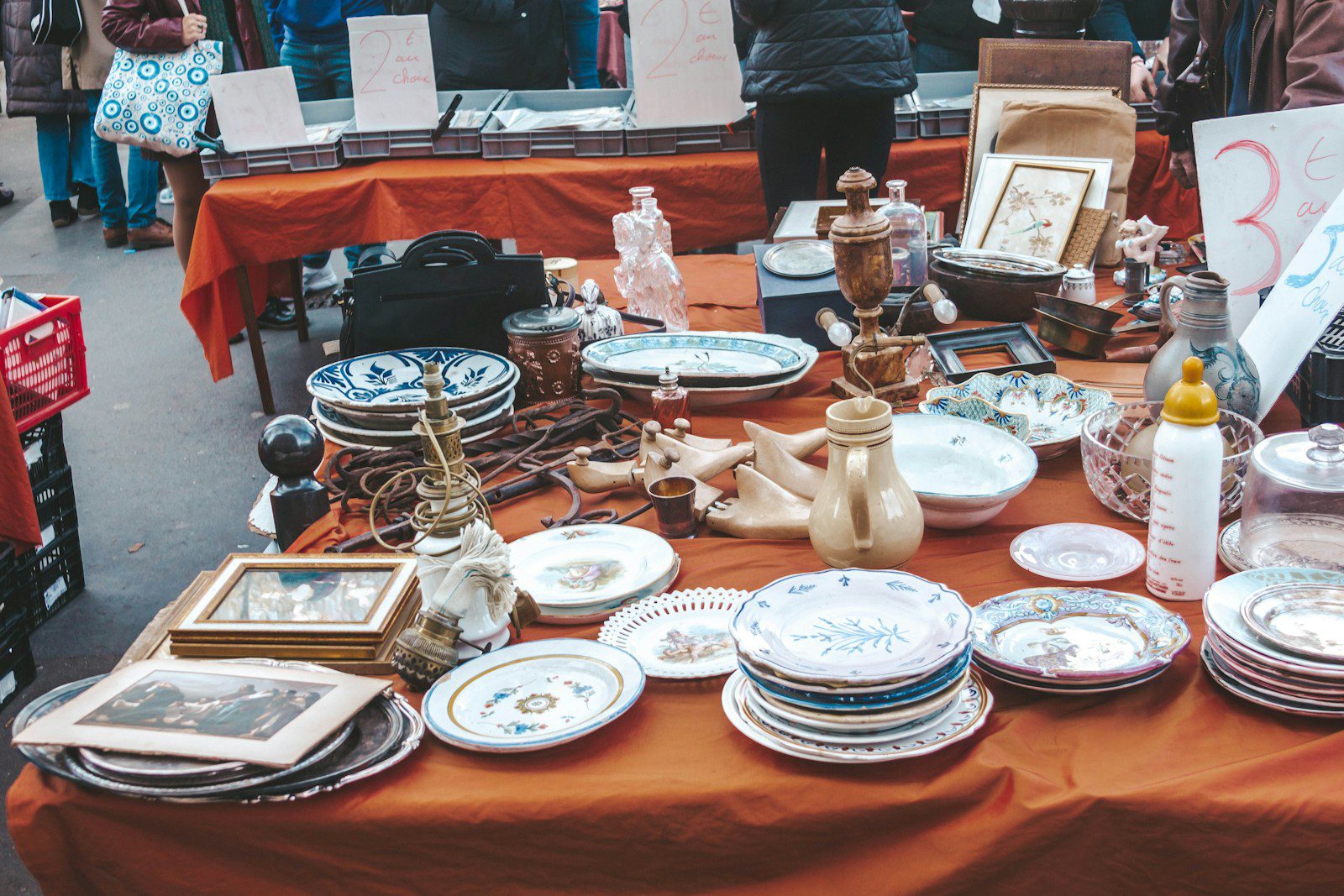
You probably walk past potential treasures every day without noticing them. You can find genuinely valuable antiques in ordinary places around your home—if you know what to look for and where to check.
This article shows the types of common household items that often hide real value, from flatware and glassware to furniture and decorative pieces. Flip through with curiosity and your next decluttering session could turn into a profitable discovery.
James Robinson Sterling Silver Flatware Set
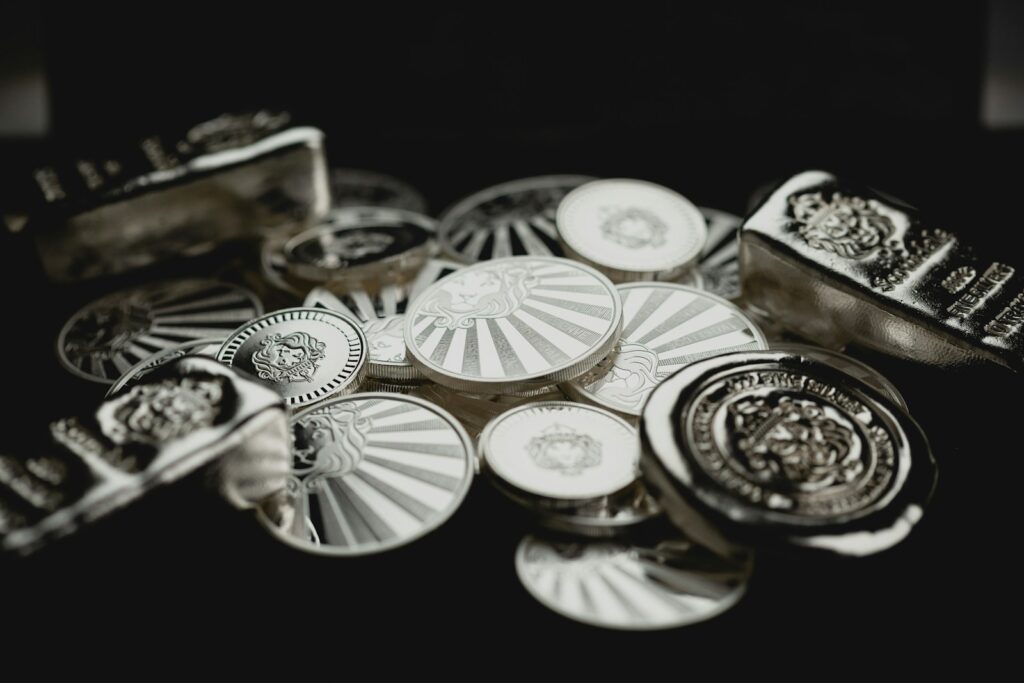
You might already own a set tucked in a drawer that’s worth more than you think. James Robinson pieces are handmade in Sheffield and prized for pattern and condition — some sell for thousands on sites like 1stdibs.
Check hallmarks and pattern names on each piece to verify authenticity. If it’s complete and well cared for, consider a specialist appraisal before selling.
Vintage Depression Glass
You might find brightly colored glassware tucked on a thrift-store shelf or in your grandma’s cabinet.
Produced in large numbers during the 1920s–1940s, pieces like plates, tumblers, and bowls were made to be affordable and pretty.
Look for colors such as pink, aqua, and amber; rare shades like carnival or cobalt fetch higher prices.
Learn patterns and check condition—chips and heavy wear lower value, but intact pieces can be collectible and useful.
See a friendly identification guide for more details on patterns and value at this link: collectible Depression glass value guide.
Antique Brass Candlesticks
You might have brass candlesticks tucked on a mantel or in a cupboard that quietly hold value. Look for solid weight, patina, and maker marks; condition and size change prices a lot.
Cleaning can hurt worth, so test a small area first and avoid harsh polishing. Compare similar pieces on sites like 1stDibs to gauge market range and decide if an appraisal makes sense.
Early 20th Century Oil Paintings
You might overlook an old oil painting because the frame looks dated or the subject seems ordinary.
Many early 20th-century oils use quality canvas and pigments that age well, so intact pieces can hold real value.
Check the back for labels, gallery stamps, or handwritten notes, and consider a quick appraisal if the brushwork or signature looks skilled.
Even works by lesser-known artists can fetch good prices when original and well-preserved; local antique guides and online marketplaces help you compare.
Hand-painted Porcelain Figurines
You might find delicate, hand-painted porcelain figurines tucked on a shelf or in a china cabinet. Look for crisp brushwork, small artist marks, or factory backstamps to gauge age and maker.
Condition matters: chips, hairline cracks, or repainting cut value. Popular makers like Lladro or Meissen can command premiums, but beauty and rarity drive interest most.
Check recent comparable sales before pricing. If uncertain, a specialist appraisal helps confirm authenticity and worth.
Mid-century Modern Teak Furniture
You’ll spot teak pieces by their warm honey tones and simple, clean lines.
Look under drawers and on frame joints for maker’s marks to confirm authenticity.
Teak holds value when condition is good and the grain is attractive.
Check online listings like the 1stDibs market for pricing context and comparable sales (average prices vary widely) https://www.1stdibs.com/buy/midcentury-modern-teak-furniture/.
Small scratches often refinish well, but deep water damage cuts resale.
If unsure, get a brief appraisal before selling or restoring.
Retro Pyrex Mixing Bowls
You might have valuable Pyrex bowls tucked in a cabinet that look like everyday kitchenware. Certain patterns and rare colors attract collectors and can sell for hundreds of dollars — check prints like Gooseberry or other discontinued designs.
Inspect condition carefully; chips, crazing, and faded decals reduce value. If you find a matched nested set in bright color or a sought-after pattern, photograph it and compare with listings like those on eBay vintage Pyrex listings to gauge worth.
More from Decluttering Mom: