

You probably pass over old bowls and tins without thinking they could be worth much, but a quick look through Grandma’s cabinets can change that. You’ll learn how everyday vintage kitchen pieces can hold real cash value and which types of items collectors hunt for.
Flip through the rest of the article and you’ll spot the kinds of glassware, cookware, linens, and serveware that often surprise people at estate sales and online auctions.
Pyrex Mixing Bowls

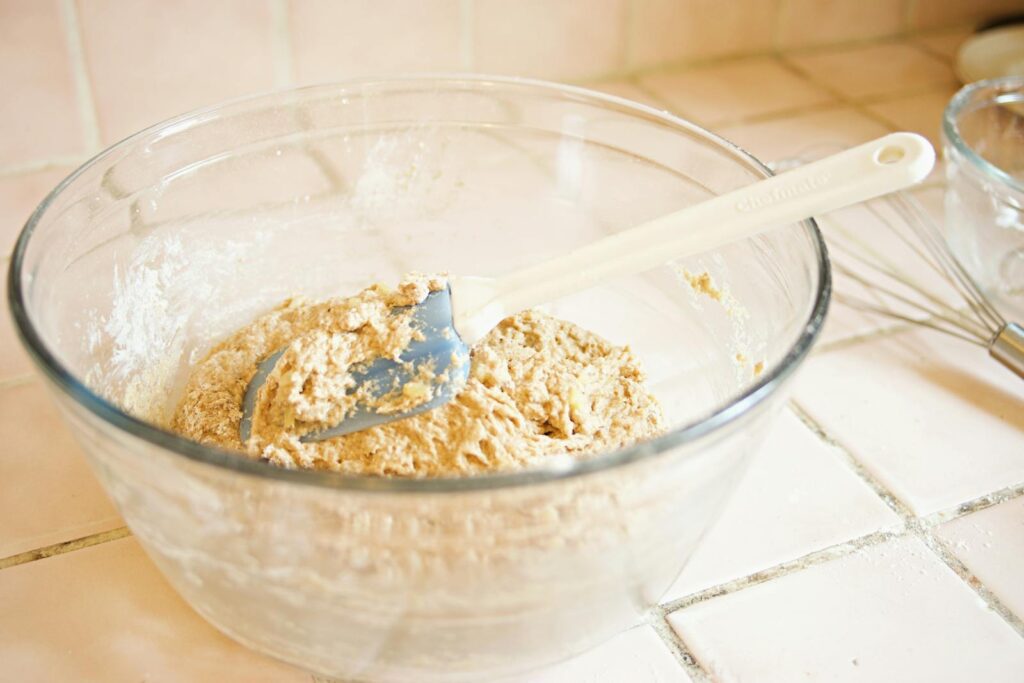
You probably remember those colorful, nesting Pyrex bowls from grandma’s shelf. Collectors pay high prices for rare patterns like Butterprint and Gooseberry, so check for intact decals and original stacking sets.
Mint-condition sets can sell for hundreds, and truly rare pieces sometimes fetch much more at auction. Look up pattern names and compare listings before you sell.
Jadeite Glassware
You’ll spot jadeite by its milky green color and simple shapes that fit into any vintage collection.
Collectors pay more for pieces with maker’s marks or intact patterns, so check the base for stamps.
Small items like mixing bowls and creamers sell steadily, while rare pieces can command higher prices.
Learn to distinguish originals from later reproductions to protect your find’s value; Anchor Hocking and Fire-King marks help with ID.
Cabbageware China
If you find painted leaf-patterned plates or bowls in your grandma’s cabinet, they might be cabbageware — collectible left-overs from popular pottery lines.
Check for maker’s marks and condition; chips or crazing lower value but intact sets attract buyers.
Collectors prize rare patterns, so a full service or unusual colorways can fetch higher prices.
For identification tips and examples, see this roundup of valuable vintage kitchen items.
Copper Cookware
If you find old copper pots or pans, check for thickness, maker’s marks, and a tin or steel lining; these details affect value.
Authentic vintage French sets, especially heavy-gauge pieces, often sell for significantly more than modern thin copper.
Clean, well-maintained pieces with intact linings appeal to collectors and chefs alike.
Learn to spot stamped names or hammered exteriors to help you identify worthwhile items; online listings and antique dealers can help confirm rarity.
Vintage Cast Iron Skillets
You might find a heavy, seasoned skillet in a cabinet that’s suddenly valuable to collectors. Look for maker’s marks like Griswold or Wagner; rare stamps and sizes raise prices and demand.
A well-cared-for pan keeps seasoning and shows minimal rust. Some pieces sell for hundreds or more, depending on rarity and condition—check listings and guides like this cast-iron value guide before you sell.
Embroidered Linen Tea Towels
You’ll find embroidered linen tea towels in attics and estate sales more often than you’d expect.
These pieces show neat handwork and wear that tells a story, and collectors pay for authentic vintage linens.
Look for tight embroidery, linen or linen-cotton blends, and clean edges.
If you want examples or to compare prices, check vintage listings like those for embroidered linen towels on eBay (vintage embroidered linen towels for sale).
Depression Glass
You might spot colorful Depression glass tucked on a shelf or in a biscuit tin.
Collectors prize patterns like Hocking and Federal for their color and rarity, so condition matters a lot.
If a piece has no chips, crisp pattern details, and original color, it can sell for several hundred dollars to the right buyer.
Look for common colors—pink, green, and cobalt—and check auction listings like this roundup of valuable kitchen antiques for pricing context.
More from Decluttering Mom: