
Clutter isn’t just an eyesore—it quietly messes with how you feel every day. You might not even notice it, but having too much stuff around can sneak into your mood and energy without warning.
When your space is cluttered, it can make you feel stressed, distracted, and even worn out without you realizing why. Understanding these subtle effects can help you create a calmer, more balanced environment where you actually feel better.
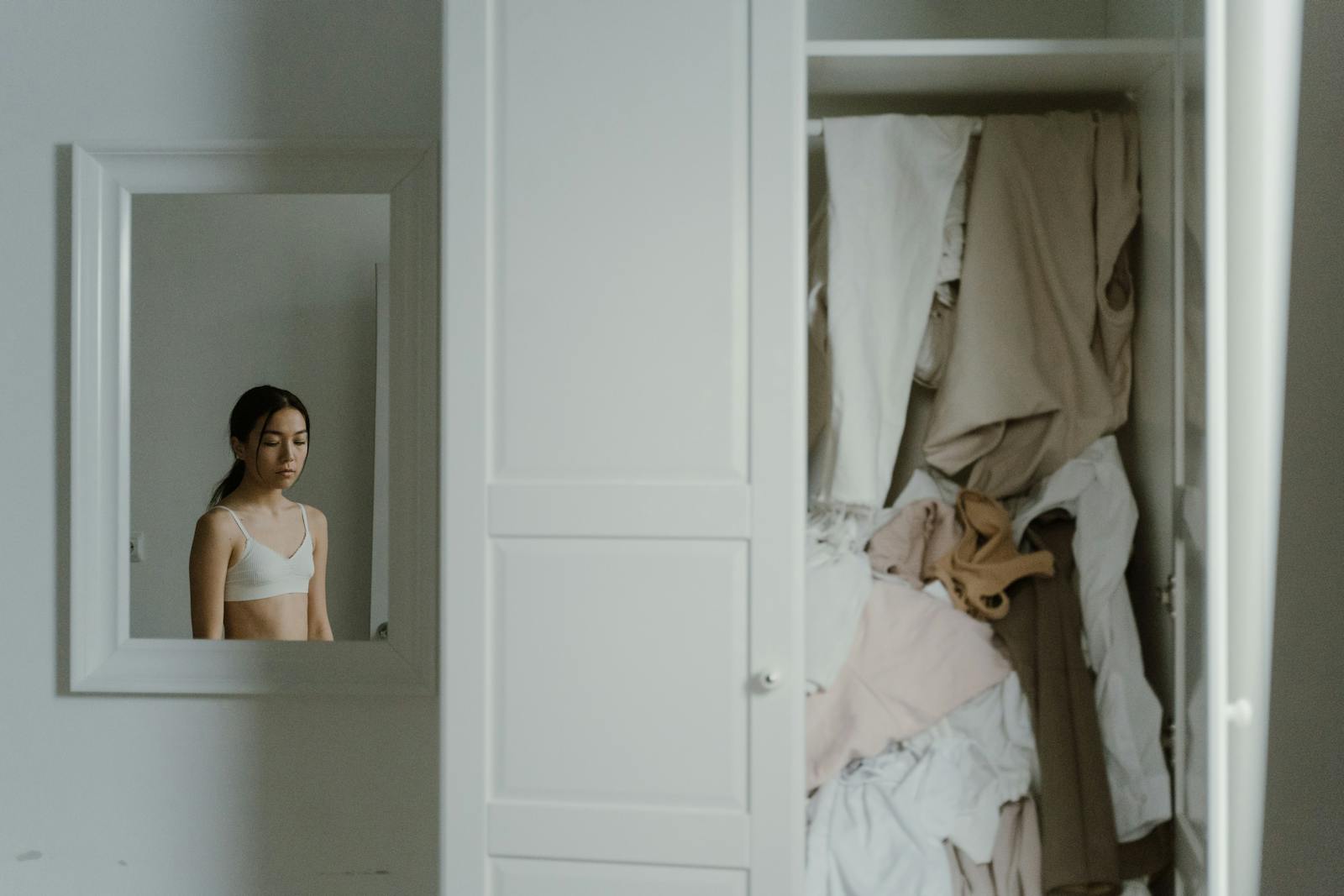
Clutter increases your stress levels silently throughout the day
When your space is cluttered, it triggers your brain to stay on high alert without you even noticing. This constant background stress can raise your cortisol, the hormone that’s linked to stress.
You might not feel overwhelmed right when you see the mess, but your body is still reacting. Over time, this silent stress can affect your mood and energy without obvious reasons.
Especially for women, studies show that clutter in the home is tied to higher, persistent stress hormone levels throughout the day. It’s like your brain never gets a break from the chaos around you.
It makes focusing on tasks way harder than you think
When your space is cluttered, your brain has to work overtime to filter out distractions. That extra mental load can make even simple tasks feel harder than they should.
You might start a task but lose track quickly because your attention is constantly pulled away by mess around you.
Clutter doesn’t just slow you down; it can drain your energy and motivation without you really noticing. Clearing your space can actually help clear your mind, making it easier to concentrate.
Messy spaces drain your energy and motivation
When your space is cluttered, it can weigh on you more than you notice. That jumble of stuff doesn’t just look messy—it actually saps your mental energy.
You might feel tired or stuck without knowing why. A crowded environment makes it harder to focus and can slow you down.
It’s not about being perfect. Even small clutter piles can quietly zap your motivation and make tasks feel like a bigger hassle than they really are. Clearing a little space can help you feel more energized and ready to tackle what’s next.
Clutter lowers your ability to make decisions easily
When your space is cluttered, it can feel like your brain is overloaded. You might find it harder to focus on simple choices because your mind is juggling too many distractions.
Clutter increases stress hormones like cortisol, which can cloud your judgment. This makes decision-making slower and more exhausting than it should be.
With less mental clarity, small decisions become overwhelming. Clearing your space helps free up mental energy, so you can make choices more smoothly and feel less drained.
Untidy rooms mess with your sleep quality
When your room is cluttered, your brain may see it as unfinished business. This can keep you from fully relaxing at night.
A messy space makes it harder to wind down because your mind stays distracted. It’s not just about looks; it actually affects how well you rest.
Clearing the clutter creates a calmer vibe, which helps your body and mind get ready for sleep. You might notice falling asleep faster and feeling more refreshed in the morning.
It can trigger anxiety without you realizing why
You might not even notice how clutter makes you feel tense. A messy space quietly overloads your brain, making it hard to focus or relax.
Sometimes, small things like piles of paper or buzzing electronics add up and spike your anxiety without a clear cause. You just feel off.
Your brain is wired to look for order, so clutter disrupts that sense of calm. That nagging unease? It could be your environment talking.
Holding onto stuff often means avoiding emotional issues
When you keep things, it’s not always about the stuff itself. Often, it’s about what those items remind you of or the feelings you don’t want to face. You might hold onto clutter because it feels safer than dealing with those emotions head-on.
Your belongings can act as a shield from tough memories or unresolved feelings. Letting go means confronting those emotions, and that can feel overwhelming or scary.
So, your clutter might be more about emotional avoidance than actual need. Recognizing this can help you start peeling back those layers and work through what’s really holding you back.