


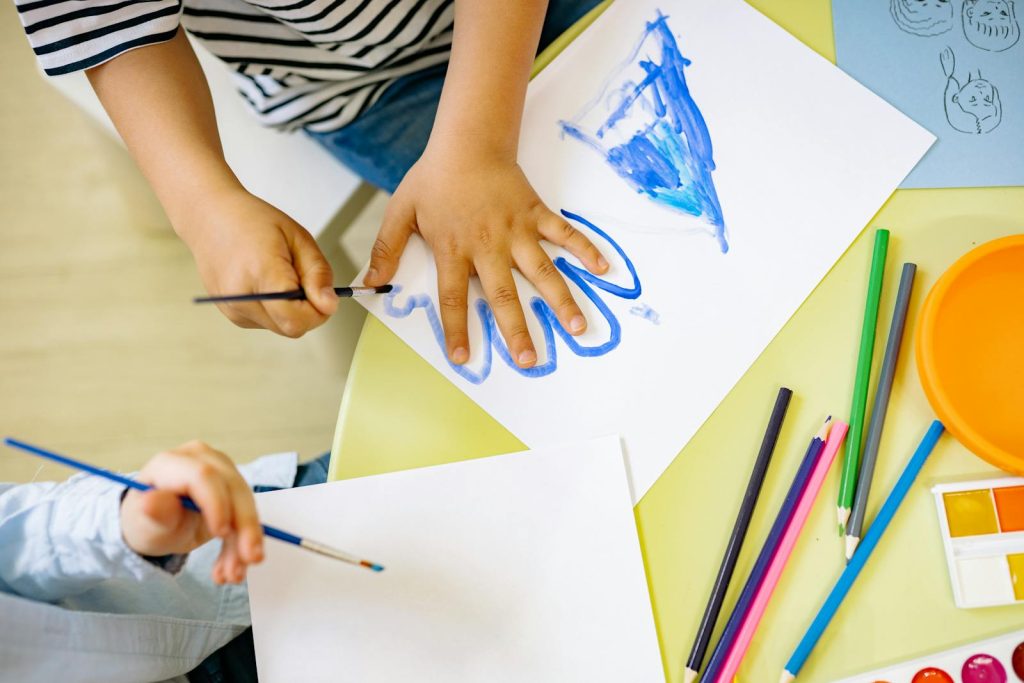
Kids bring a lot of joy, but they also bring clutter in ways you might not expect. From toys to artwork, their stuff tends to multiply faster than you realize.
Understanding the surprising ways kids add clutter can help you stay on top of the mess before it takes over your space. Once you see where the extra clutter comes from, managing it becomes much easier.

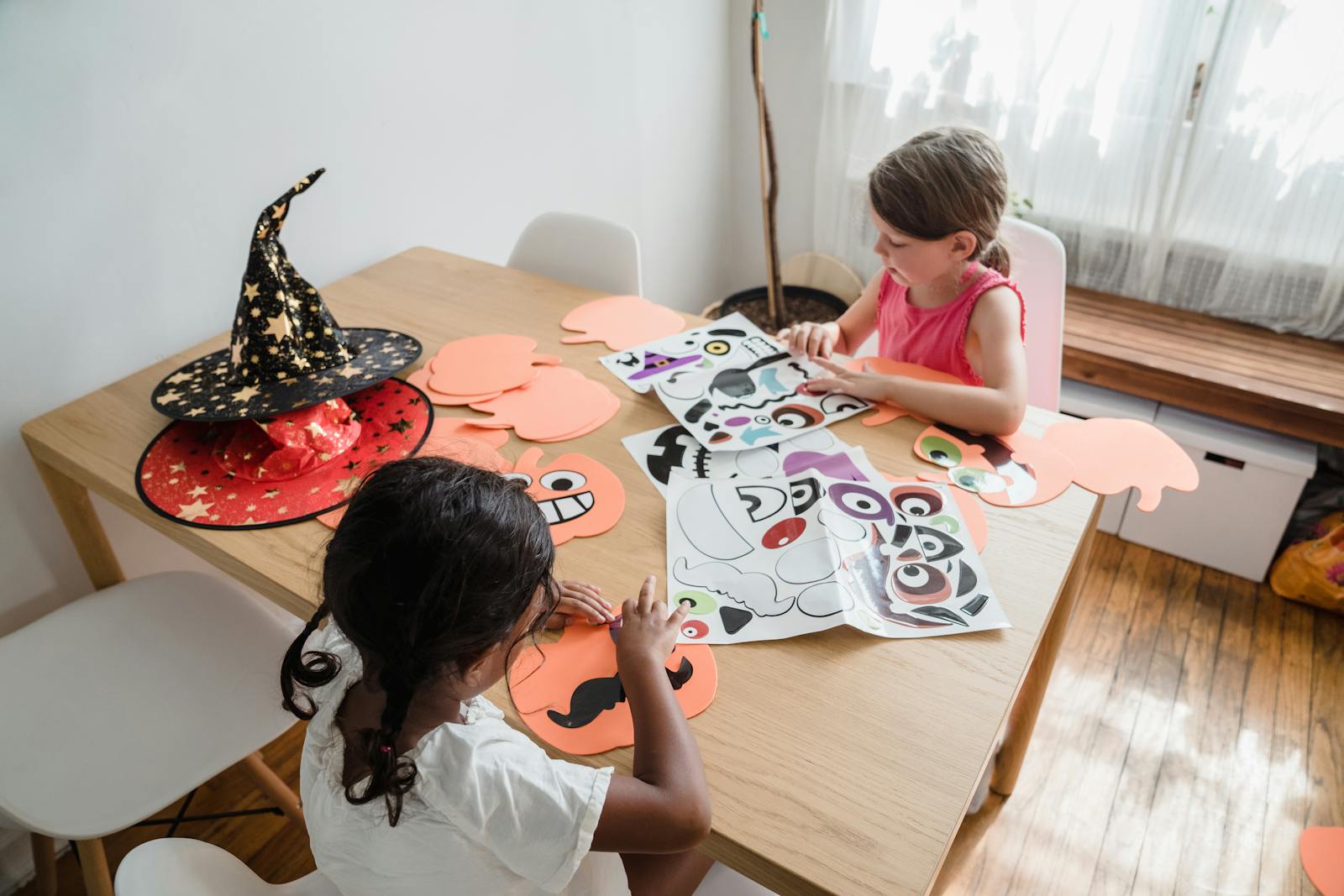
Piles of artwork and school projects left drying or forgotten
You probably didn’t expect your kid’s artwork and school projects to take over every flat surface. Paintings or crafts left drying can quickly turn into clutter if they don’t get put away.
Sometimes these piles get forgotten, stacking up in corners or on desks. It’s easy to lose track of what’s still drying and what’s ready to be stored or recycled.
Setting a simple routine to sort or display finished pieces can keep those piles under control. It helps you enjoy their creativity without drowning in mess.
Stacks of unread or outgrown books scattered everywhere
You might notice piles of kids’ books taking over shelves, nightstands, or even the floor. These stacks often grow quickly because children outgrow books before reading them all.
It’s easy to hold onto books for sentimental reasons or future use. But when unread or outdated books pile up, they add clutter you didn’t expect.
Sorting through these collections can help. Keep favorites and donate or recycle the rest to clear space and reduce the mess.
Toys kept out ‘just in case’ but rarely played with
You probably have toys tucked away that your kids hardly touch but you keep “just in case.” These are often things bought or saved for future use that end up gathering dust.
Holding on to these toys takes up space and adds to clutter without real benefit. If your child hasn’t played with something in a while, it’s usually safe to let it go.
This habit can quietly pile up and make the play area feel more crowded than it needs to be. Being honest about what truly gets used helps keep things simpler.
Clothing that’s too small yet never donated
You probably have a bin or pile of clothes your kids have outgrown but never donated. These items take up space and add to the clutter, even though they’re no longer useful to your child.
It’s easy to hang on to these clothes for sentimental reasons or just in case. But if they’ve been sitting around for months, it’s time to let them go.
Labeling bins like “too small” can help you organize and remind yourself to donate or pass these clothes on. This simple step keeps your kid’s closet manageable and reduces unwanted clutter.
Random pieces of paper like drawings, notes, or receipts
You probably didn’t expect random paper bits to pile up so fast, but drawings, notes, and receipts really add up. Kids often bring home artwork or scribbles that seem small but quickly create clutter.
These papers might feel important, so it’s easy to keep them all. But over time, they just take over your counters and drawers.
Try setting a spot for these papers and go through them regularly. Keep a few favorites and recycle the rest. It’s a simple way to keep the paper chaos under control.
Collections of broken or incomplete puzzle pieces
You might not expect it, but kids often end up with piles of broken or incomplete puzzle pieces. These bits can quickly gather dust and add to clutter without anyone noticing.
If a puzzle is missing pieces, it usually stops being fun to put together. But instead of tossing them out, you probably keep those pieces “just in case.”
Those leftover pieces can take over drawers or boxes, creating clutter that’s hard to sort. It sneaks in because you don’t want to waste anything, even if the puzzle itself is no longer complete.
Excess craft supplies abandoned mid-project
You probably didn’t expect those half-finished projects to pile up so fast. Kids start with great enthusiasm but often leave craft supplies scattered when they lose interest.
This creates clutter from paint, glue sticks, paper scraps, and more. It’s tricky because these supplies can feel like they still hold potential.
Keeping track and deciding what to keep or toss can help. Setting time limits on projects or creating a designated craft zone might make a difference for your space and sanity.