
As the New Year rolls around, many of us find ourselves reflecting on our goals, resolutions, and of course, our finances. If you’re like me, you’ve probably resolved to spend your money more wisely, especially when it comes to your home. It’s where we live, laugh, and may or may not binge-watch our favorite shows in our pajamas. So, how do we make sure our spending reflects our priorities? Here are seven friendly tips to help you focus on what really matters at home this year.
1. Set a Realistic Budget
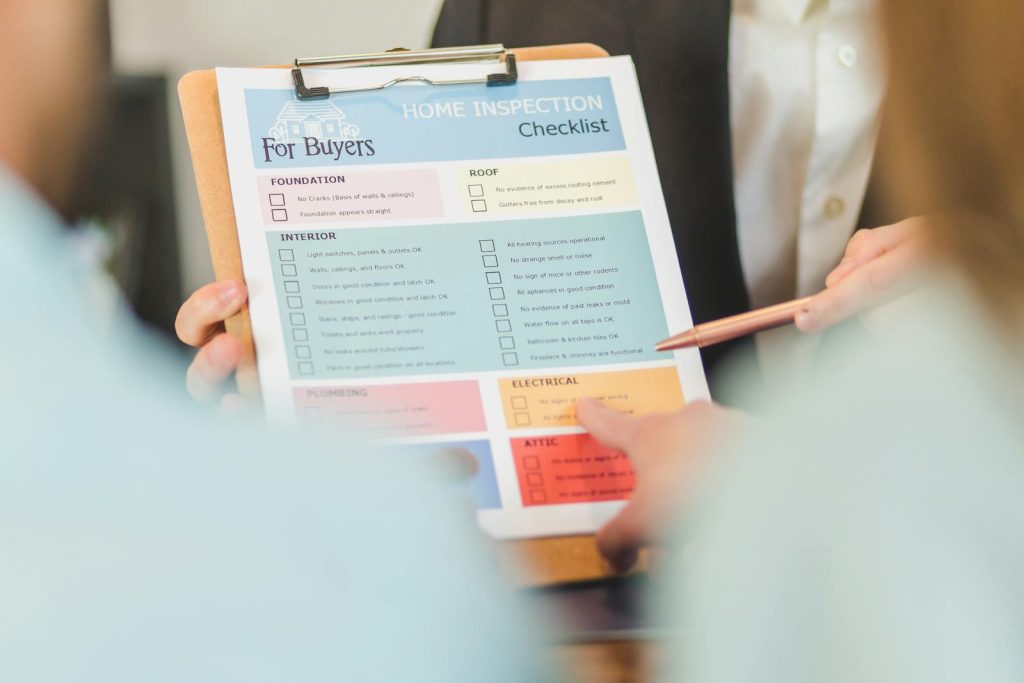
First things first: budgeting. I know, I know, it sounds about as thrilling as watching paint dry, but hear me out. A realistic budget is your best friend when it comes to prioritizing your home spending. It’s not just about how much you can spend, but how you want to spend it. Start by tracking your expenses for a month or two—don’t worry, you can skip the guilt trip. Just get a clear picture of where your money is going. Once you have that, you can allocate funds to the areas that matter most to you.
2. Focus on Necessities First
Let’s be honest, the latest kitchen gadget or trendy decor item can be super tempting, but prioritizing needs over wants is key. Look around your home: do you need a new furnace filter, or is that fancy espresso machine calling your name? Start with necessities like repairs, maintenance, and essentials. This way, you won’t find yourself scrambling to fix a leaky roof while dreaming of that artisanal coffee maker.
3. Invest in Quality Over Quantity
When it comes to home spending, remember that sometimes less is more. Investing in high-quality items that’ll last longer can save you money in the long run. Think about that sturdy couch you’ve been eyeing—sure, it’s a splurge, but it’s also going to be your cozy haven for movie marathons for years to come. So, don’t hesitate to spend a bit more upfront if it means fewer replacements down the line.
4. Make a Wish List
Okay, let’s talk about wish lists. You know that feeling when you scroll through home decor sites and add everything to your cart? Yeah, been there, done that. Instead of impulse buying, create a wish list. Jot down items you’d like to have and prioritize them based on need and budget. This not only curbs those spontaneous purchases but also gives you something to look forward to. Plus, it’s a great way to avoid buyer’s remorse when you realize that last-minute purchase of a neon pink toaster was maybe not your best decision.
5. DIY When You Can
If you’ve got the time and a little bit of creativity, consider tackling some DIY projects. I’m not saying you need to become the next Bob Vila, but simple repairs and upgrades can save you a ton of cash. Whether it’s painting a room, building some shelves, or even reupholstering that old chair, rolling up your sleeves can be both rewarding and budget-friendly. And let’s be real, a little bit of paint can work miracles—just ask anyone who’s transformed a room from drab to fab!
6. Plan for Seasonal Maintenance
Don’t let seasonal changes catch you off guard. Planning for maintenance throughout the year can prevent those surprise expenses that pop up like a jack-in-the-box. Whether it’s cleaning gutters in the fall or servicing your HVAC system in the spring, staying on top of these tasks can help you avoid larger, costlier repairs down the line. Plus, you’ll feel like a home maintenance wizard, and who doesn’t want that kind of magic?
7. Reassess Regularly
Finally, don’t set it and forget it. Life changes, and so should your priorities and budget. Make it a point to reassess your spending every few months. Maybe you’ve decided to put more into savings for a vacation instead of that new patio set, or perhaps the kids are growing up and you need to shift your focus to a home office. Regular check-ins will keep your spending in alignment with your goals, ensuring that every dollar spent feels just right.
More from Decluttering Mom: