Grocery runs have turned into sticker-shock tours, and plenty of shoppers are quietly putting old standbys back on the shelf. With prices climbing faster than paychecks, people are drawing hard lines on what is worth it and what is not, skipping items that used to be automatic buys and hunting for cheaper substitutes instead.
1) Ground beef
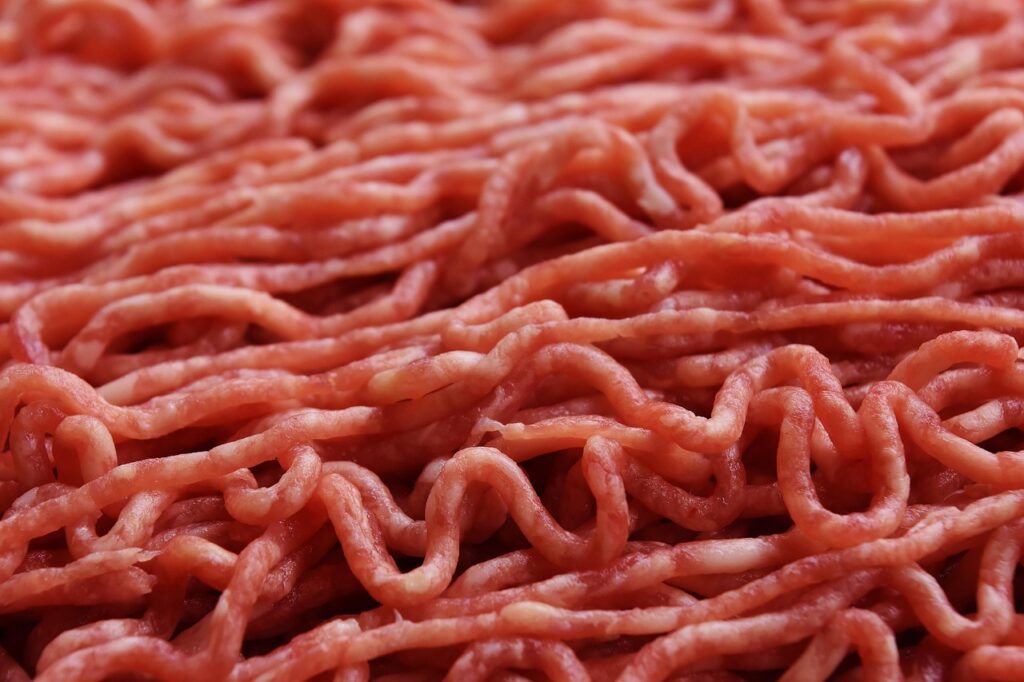
Ground beef is the classic weeknight workhorse, but its price has turned it into more of a splurge. One breakdown of grocery costs notes that the 2023 average in Aug for ground beef was $5.08 per pound, a number that has only felt higher as inflation ripples through the meat case. When a single pound for tacos or burgers eats that much of the weekly budget, shoppers start reaching for beans, lentils, or frozen chicken instead.
The frustration is not just about one dinner, it is about how often ground beef used to anchor cheap meal plans. Families that once bought multi-pound packs to batch-cook chili or meatloaf are cutting back, stretching smaller portions with vegetables, or skipping recipes that rely on it altogether. As prices keep climbing, ground beef is shifting from “default protein” to “occasional treat,” which changes how people plan everything from cookouts to school-night pasta.
2) Beef steaks
Beef steaks have always been a little fancy, but lately they are priced like a special-occasion luxury. Analysts tracking grocery inflation warn that Beef is already expensive and could climb even higher as ranchers deal with drought, feed costs, and herd reductions. When a couple of ribeyes ring up higher than an entire cart of pantry staples, many shoppers simply walk past the meat counter and never look back.
The ripple effect shows up in how people celebrate. Backyard grill nights that once revolved around thick cuts are being rebuilt around cheaper chicken thighs or marinated pork, while steakhouse-style dinners at home are quietly disappearing. Even food creators like Grocery Staples That watchers, who compare Cheap and Expensive Steaks in videos from personalities such as Guga Foods, are nudging viewers toward value cuts or alternative proteins. For many households, steak has moved from “maybe once a month” to “not in the budget at all.”
3) Boxed cereals
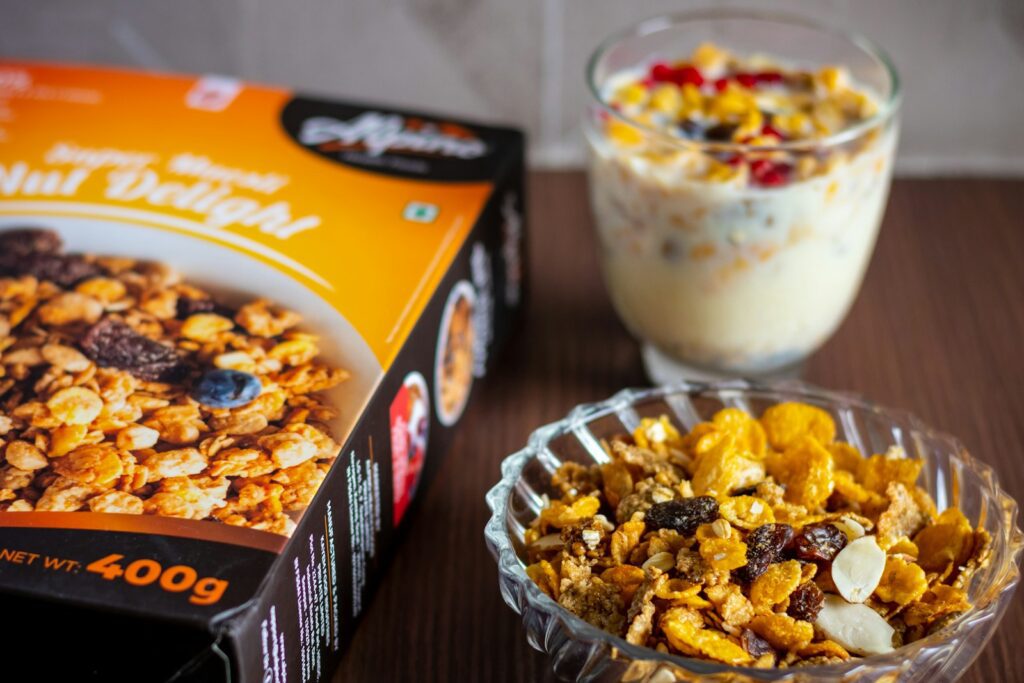
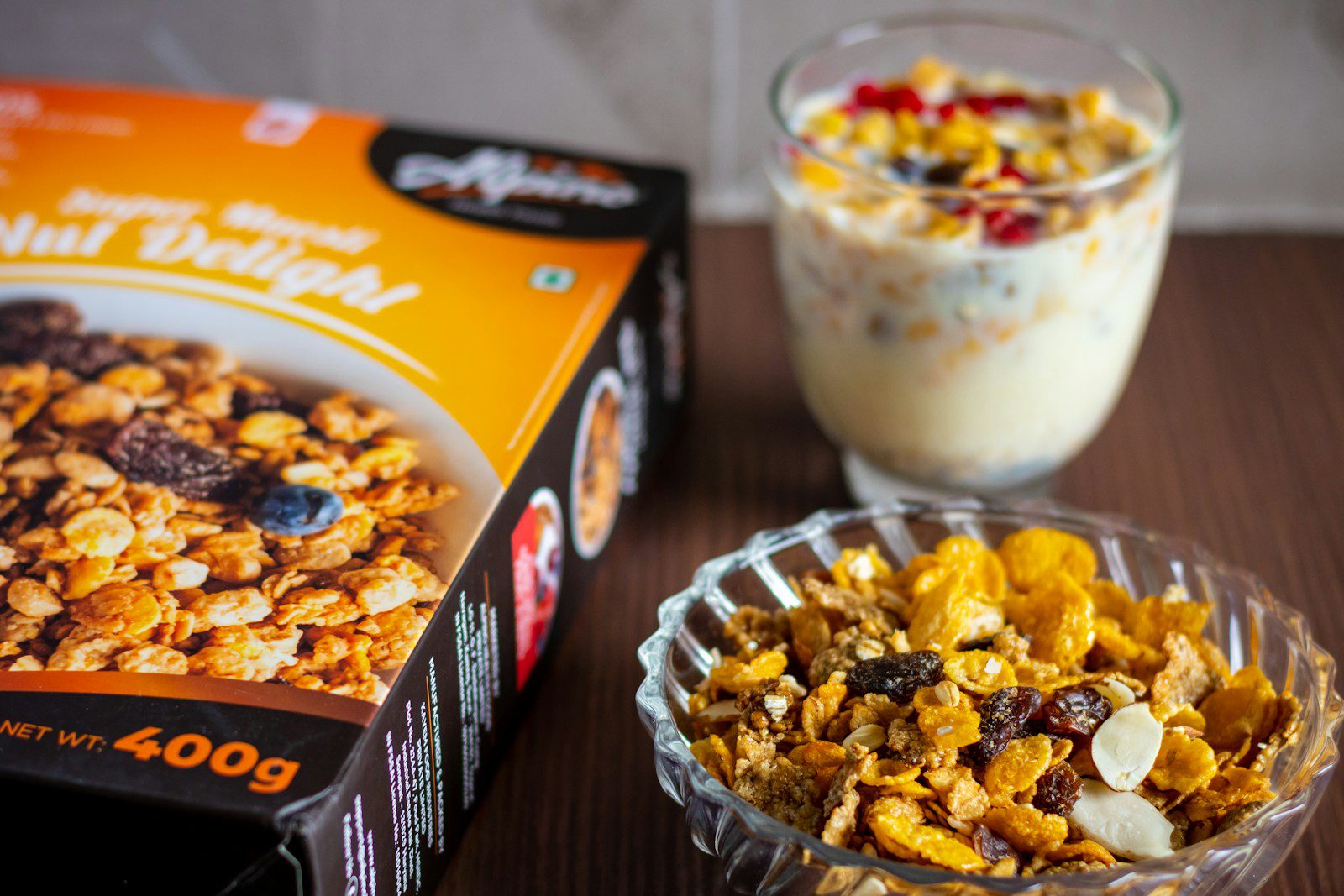
Cereals used to be the quick, kid-friendly breakfast that felt reasonably affordable, but shoppers are increasingly saying “no thanks.” In one roundup of Grocery Items People, Cereals are singled out as a prime example of a product whose price has outpaced its perceived value. Commenters like Darryl on Yelp complain that boxes are shrinking while price tags creep toward premium territory, making that morning bowl feel like a bad deal.
Parents who once tossed multiple flavors into the cart are pivoting to big tubs of oats, store-brand granola, or homemade muffins that stretch further. The stakes go beyond breakfast, since cereal has long doubled as an easy snack for kids and a late-night bite for adults. As more shoppers decide that branded flakes and puffs are not worth the markup, big cereal makers face a loyalty problem that coupons and flashy mascots may not fix.
4) Sliced bread
Bread sounds basic, but the price of a simple loaf has become a sore spot. The same survey of No More Chips shoppers notes that Bread is another staple people are quietly abandoning when it creeps past their mental price ceiling. Between higher wheat costs, labor, and packaging, that everyday sandwich loaf can now rival the price of a full hot meal from a discount chain.
For families packing lunches, that shift adds up fast over a month of school days. Some are switching to discount bakery outlets, others are dusting off bread machines, and plenty are leaning harder on tortillas, rice, or pasta instead of toast and sandwiches. When sliced bread stops feeling cheap and reliable, it undercuts a whole category of budget-friendly meals, from grilled cheese to peanut butter and jelly.
5) Eggs
Eggs were once the go-to “still cheap” protein, but a brutal combination of disease and supply issues has scrambled that reputation. Reporting on the shell-shocking truth behind egg prices points to the avian flu outbreak, which wiped out millions of egg-laying hens and tightened supply. With fewer hens producing, farmers pass higher costs along, and cartons that once felt like a bargain now sit in the “think twice” zone.
The impact hits everyone from home bakers to diners that rely on cheap breakfast plates to stay profitable. Households that used to buy multiple dozens for omelets, baking, and meal prep are cutting back, subbing in flax “eggs” for recipes, or saving real eggs for special dishes. When even a humble scramble starts to feel pricey, it is a clear sign that shoppers are being pushed to rethink long-standing kitchen habits.
6) Packaged cookies
Packaged cookies have quietly climbed into luxury-snack territory, and many shoppers are deciding they are not worth the splurge. Analysts tracking grocery inflation note that rising dairy, sugar, and packaging costs have pushed up prices on cookies, jams, and sauces, leaving shoppers with smaller packages at higher prices. When a single sleeve of name-brand treats costs as much as ingredients for a whole batch of homemade cookies, the math stops making sense.
Parents who once relied on prepackaged snacks for lunchboxes are turning to bulk crackers, fruit, or weekend baking sessions that stretch further. The stakes are not life-or-death, but they do shape how families experience small comforts during a tight month. As packaged cookies slide into “special treat” status, brands risk losing the casual, toss-it-in-the-cart purchases that used to drive steady sales.
7) Soda 12-packs
Soda has become another lightning rod for price anger, especially in multi-can packs. In the same discussion of No More Chips, one shopper vents, “I just saw the $5 freaking 12-pack of soda,” capturing how quickly a casual habit can start to feel like a budget buster. When a case of fizzy drinks costs as much as a pound of meat or a bag of fresh produce, many carts roll right past the beverage aisle.
The fallout is visible at parties and family dinners, where pitchers of iced tea, filtered water, and generic drink mixes are replacing brand-name cans. For soda makers, that shift threatens long-term loyalty, since people who break the daily soda habit often do not come back. For households, skipping the 12-pack is one of the fastest, least painful ways to claw back a few dollars each week.
8) Premium grocery steaks
Premium grocery steaks, the kind hyped in viral taste tests, are another casualty of price fatigue. Video creators such as Guga Foods have compared Cheap and Expensive Steaks to show Which Grocery Store cuts are worth the money, but even the “good value” options now land in a price bracket that many shoppers cannot justify. When a single steak costs more than an entire slow-cooker roast, the choice is obvious for anyone feeding a family.
As a result, premium cuts that once tempted shoppers for date nights at home are sitting longer in the case, while cheaper roasts, ground meat blends, and plant-based proteins move faster. The broader trend is clear: people are not just trading down within the beef category, they are rethinking whether steak belongs in the regular rotation at all. For retailers, that means rebalancing meat departments around value, not just glossy marbling.
More from Decluttering Mom: