When bad weather, power outages, or supply hiccups hit, grocery shelves can empty out fast, and the people who stay calm are usually the ones who stocked up before everyone else rushed the store. Building a small stash of smart, long lasting staples means a household can eat well for several days without scrambling. The trick is choosing foods that actually keep, that people will want to eat, and that fit into simple no power meals.
Instead of panic buying whatever is left, it pays to be deliberate about eight core categories that cover protein, carbs, fats, and comfort. With a little planning, those foods can form a flexible “any crisis” pantry that works for a winter storm, a grid failure, or even just a rough week when getting to the store is not in the cards.
Why emergency food planning matters before shelves are bare
Disaster planners like to remind people that the first 72 hours of any crisis are often the most chaotic, which is why a basic three day stash is treated as the minimum. Guidance on a Three Day Emergency stresses that households should gather enough non perishable foods and staples to ride out that initial window without relying on restaurants or last minute store runs. That means thinking ahead about what everyone in the home actually eats, not just what looks “survival ready” on a shelf. When people skip this step, they end up with random cans and boxes that do not add up to real meals.
Emergency planners also point out that food is not just fuel, it is morale. The same guidance that talks about Suggestions for an Emergency Food Supply notes that The Department of Homeland Security encourages families to include familiar items and even a few comfort or stress foods. In practice, that might mean shelf stable versions of what people already like, from peanut butter to instant oatmeal. When the power is out and the news is grim, being able to serve a normal tasting meal can make the whole situation feel more manageable.
1. Canned meats and shelf stable proteins
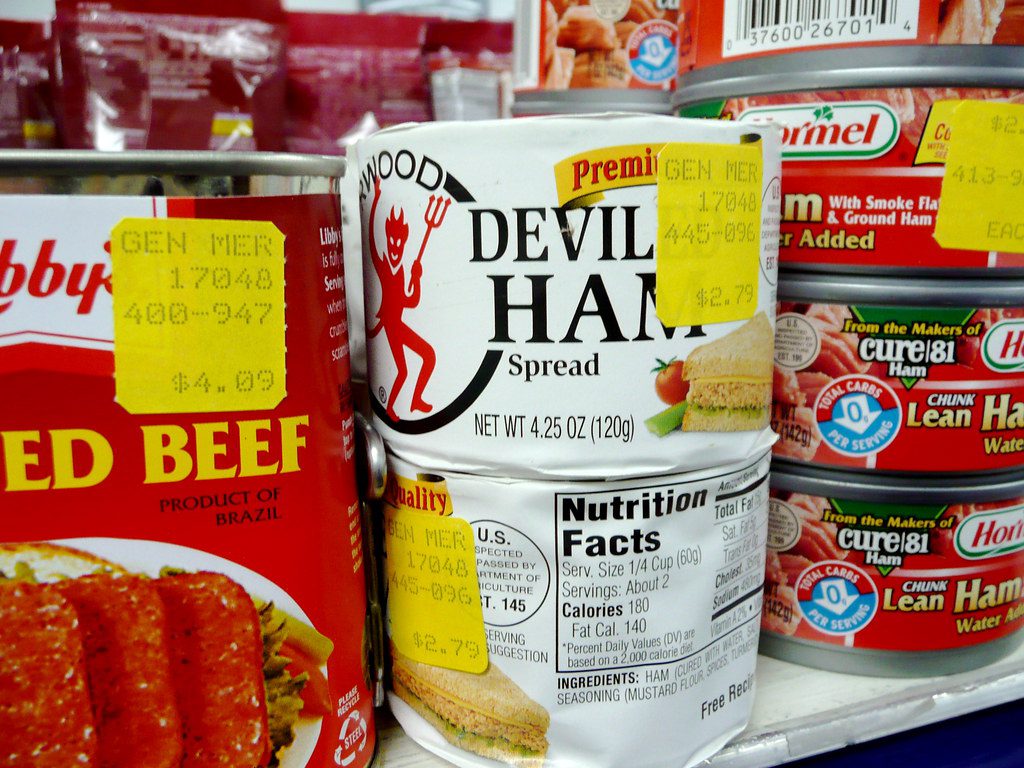
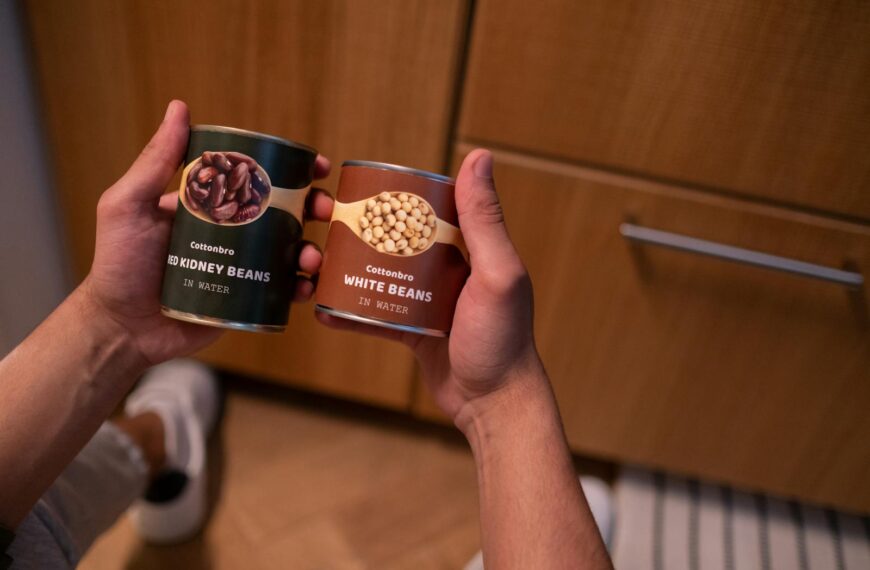
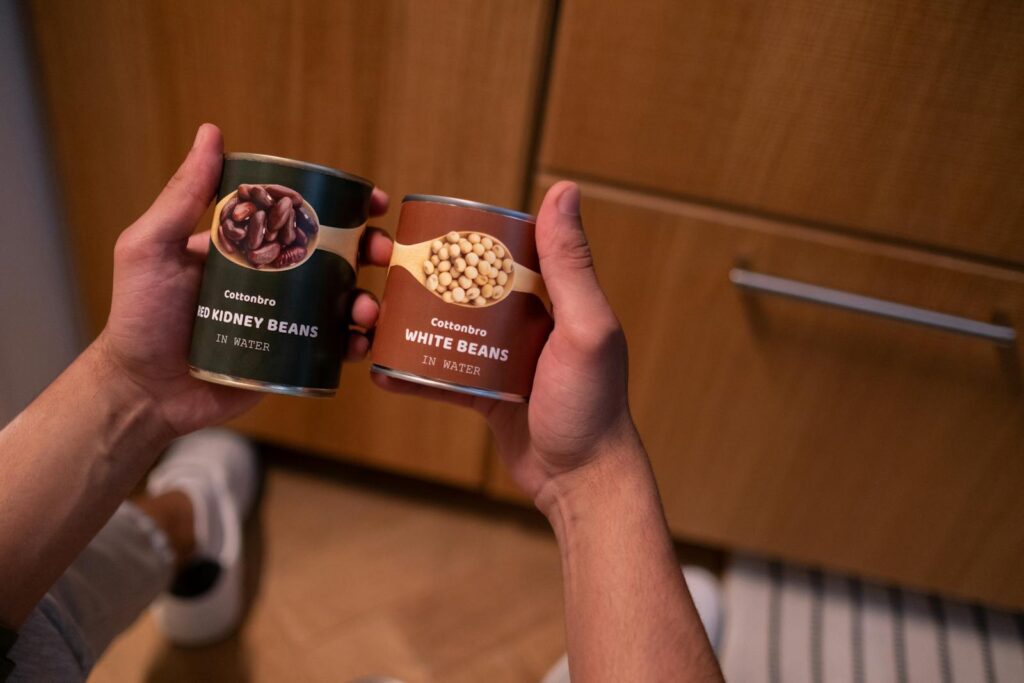
Protein is usually the first thing to disappear from store coolers when a storm is on the way, which is why it makes sense to stock it in cans instead of chasing fresh meat at the last minute. A simple list of Most Needed Food highlights Canned Meats like Tuna, Chicken, Ham and Dry or canned beans as core staples, and that same logic applies at home. Those cans are compact, do not need refrigeration, and can be eaten cold if the stove is out, which checks all the boxes for a no power emergency pantry.
Beyond tuna salad and chicken sandwiches, canned meats and beans can anchor quick one pot meals with rice, pasta, or tortillas. They also help balance out the carb heavy snacks people tend to grab when they are stressed. Since these items are already in high demand for food banks, it is clear they pull double duty as both everyday staples and crisis insurance. Keeping a small rotation of Canned Meats, Tuna, Chicken, Ham and Dry beans on hand means a household is less vulnerable when everyone else is staring at an empty meat case.
2. Rice, pasta, and other long lasting carbs
Once protein is covered, the next priority is a cheap, filling base that stretches every can in the cupboard. Dry rice and pasta are classics for a reason, and people who think in terms of budgets as well as emergencies tend to lean on them heavily. In one Sep discussion about the best long shelf life frugal foods to stockpile, one user bluntly notes that You should probably read up on proper prepper food storage before blowing your wad on food and reminds everyone that All food is perishable more or less. The point is not to hoard mountains of starch, but to buy what a household will realistically rotate through and store it correctly.
That same frugal mindset applies to choosing package sizes and containers. Instead of one giant bag of rice that goes stale after opening, smaller bags or sealed jars keep things fresh and easier to use in normal cooking. Rice, pasta, and oats also pair well with almost every other item on this list, from canned meats to peanut butter, which makes them the backbone of flexible meal planning. When the pantry has a solid base of dry carbs, it is much easier to turn whatever is left on the shelf into something that feels like dinner.
3. Nut butters, oils, and calorie dense fats
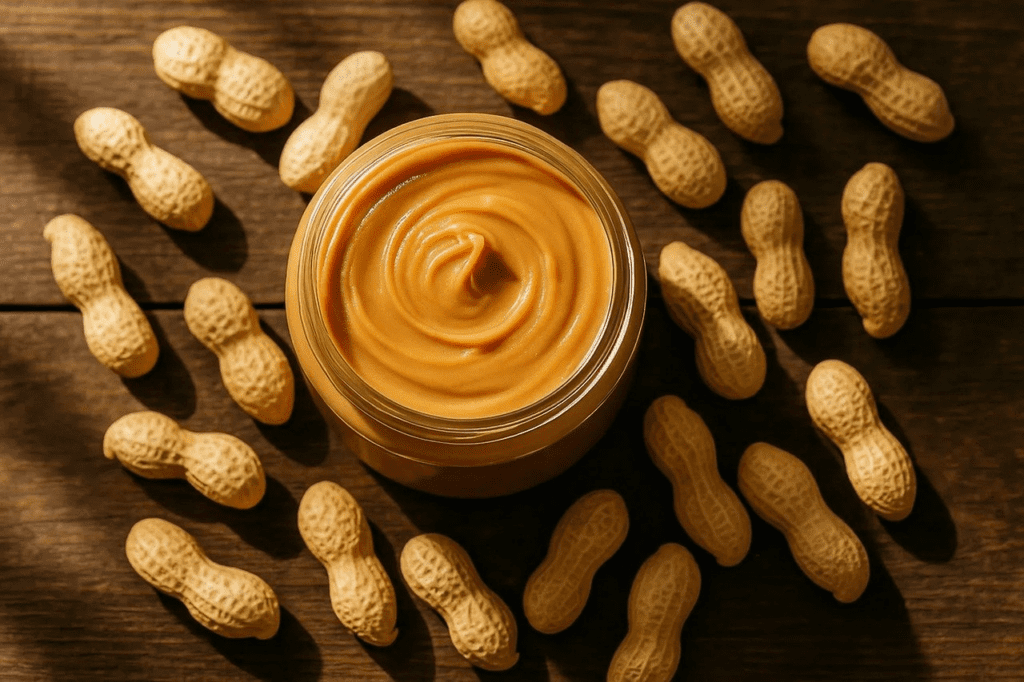
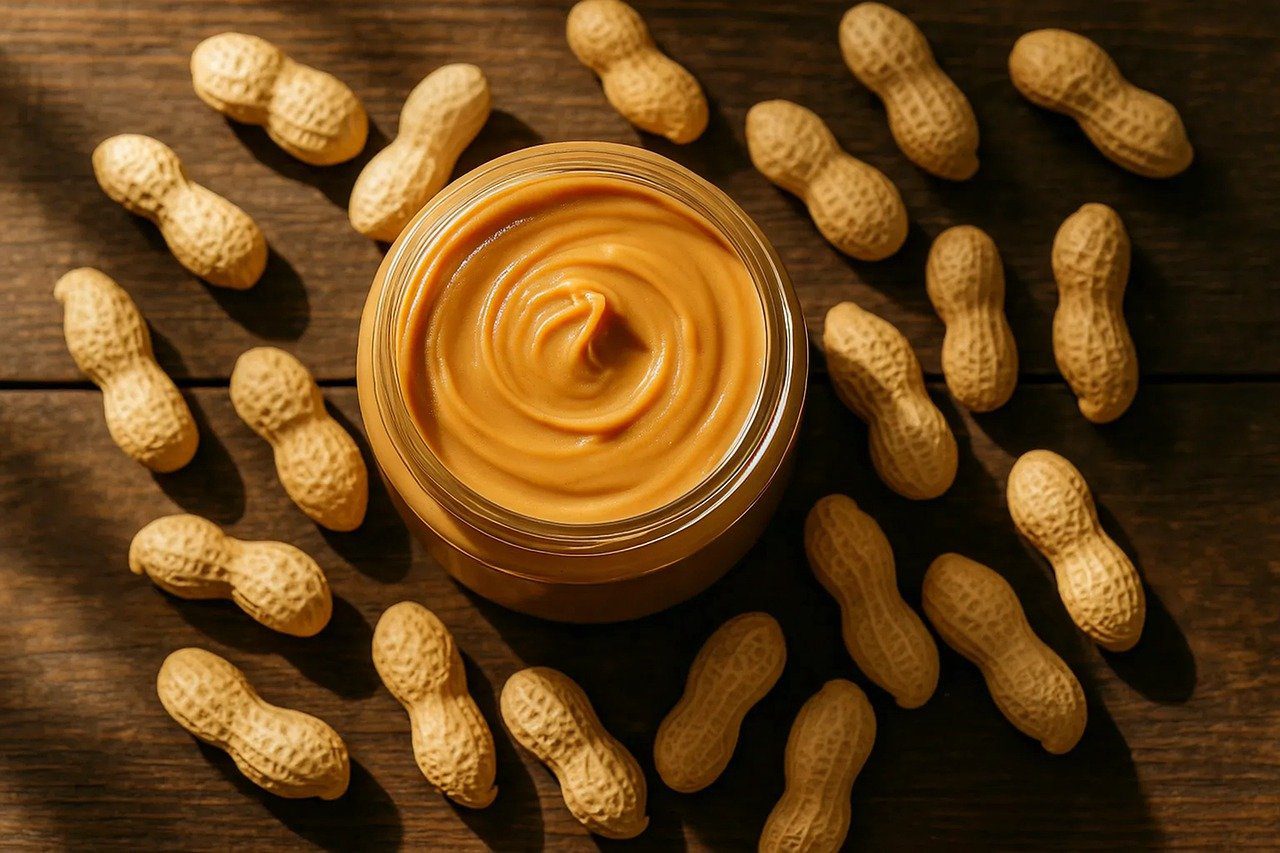
In a crisis, calories matter, and fats are the most efficient way to pack them into a small space. Nut butters like peanut butter, almond butter, or sunflower seed spread are shelf stable, kid friendly, and require no cooking, which is why they show up on so many emergency checklists. They also fit neatly into the idea of comfort or stress foods that The Department of Homeland Security folds into its Emergency Food Supply guidance. A spoonful of peanut butter on crackers can feel like a normal snack even when the lights are out.
Cooking oils and shelf stable fats like ghee or shortening also earn their place, even if they are less glamorous than protein bars. A little oil turns plain rice and canned vegetables into a stir fry, and it is essential for sautéing or baking if the stove is still usable. The key is choosing oils with a longer shelf life, storing them away from heat and light, and buying sizes that will be used up before they go rancid. Together, nut butters and oils round out the pantry so meals are not just filling but actually satisfying.
4. Ready to eat canned meals and soups
When the power is out and everyone is tired, nobody wants to fuss with complicated recipes, which is where ready to eat canned meals come in. Think chili, stew, ravioli, and hearty soups that can be eaten straight from the can if needed. Emergency planners who map out What Should Your consistently include items that require little or no preparation, because in a real event people may not have time, energy, or fuel to cook from scratch. A shelf of “open and eat” cans can be the difference between a stressful day and a manageable one.
These canned meals also help cover nutritional bases when fresh produce is limited. Many soups and stews include vegetables, beans, and meat in one package, which simplifies planning. To keep things practical, it helps to choose flavors that match what the household already eats, and to rotate them into regular lunches so nothing sits forgotten for years. When a storm is in the forecast, having a row of familiar cans ready to go beats trying to improvise with whatever is left in the store’s soup aisle.
5. No cook staples for power outages
Not every emergency comes with a working stove, so a smart stash includes foods that can be eaten straight from the package. Crackers, granola bars, shelf stable milk, canned fruit, and instant oatmeal that can be mixed with room temperature water all fit that bill. During a recent winter storm, coverage of what to keep on hand when the power goes out emphasized that While no cook food should be the priority, FEMA says some food can be safely warmed during an emergency, but only with proper precautions. That means households should plan for both scenarios, with a bias toward items that are safe cold.
Snack style foods might sound indulgent, but they are practical when stress is high and routines are disrupted. Parents can hand a granola bar to a hungry child without digging out cookware, and adults can grab a handful of nuts or dried fruit between dealing with cleanup and phone calls. The goal is to remove as many barriers as possible between “I am hungry” and “I have eaten something decent.” When the pantry is stocked with no cook staples, a power outage becomes an inconvenience instead of a full blown crisis.
6. Grains and breakfast basics that keep you going
Breakfast is often the most comforting meal of the day, and it is surprisingly easy to keep it going even when the store bakery is closed and the fridge is off. Dry cereal, oatmeal, and shelf stable milk or milk alternatives can sit in a cupboard for months and still deliver a familiar start to the morning. Lists of Cereal and Oatmeal alongside Rice and Peanut But as priority donations show how central these items are for families who need reliable staples. The same logic applies to anyone building a home emergency stash.
Oats in particular are versatile, since they can be eaten hot when there is a way to boil water or soaked overnight in a jar when there is not. They also pair well with other pantry items like peanut butter, canned fruit, or a drizzle of honey. By anchoring mornings with simple grains and breakfast basics, households keep energy and mood steadier through the rest of the day. It is a small detail that pays off when everything else feels unpredictable.
7. Winter specific essentials before a storm hits
Cold weather emergencies add another layer of urgency, because people are not just feeding themselves, they are trying to stay warm. Ahead of a blizzard, a Winter essentials checklist often highlights pantry items that can be turned into hot, filling meals with minimal effort. One widely shared list framed as How to stock a pantry with blizzard ready foods for Winter makes the point that But if you stock your pantry with flexible basics ahead of time, you are not stuck fighting crowds for the last loaf of bread. Soups, hot cereals, cocoa mix, and baking supplies all earn a spot because they warm people up from the inside.
Timing matters here. When a forecast mentions heavy snow or ice, shoppers tend to clear out bread, milk, and eggs first, which leaves latecomers with slim pickings. By keeping a quiet reserve of shelf stable winter favorites, from cocoa to canned tomato for quick pasta sauce, households can skip the last minute rush entirely. It is less about hoarding and more about smoothing out the spikes in demand that come every time a cold front hits.
8. Pantry planning, rotation, and avoiding panic buying
Even the best food list will not help if everything expires in the back of a closet, which is why planning and rotation matter as much as what goes in the cart. Guidance on Preparing an emergency stash emphasizes choosing non perishable foods and staples that people already eat, then cycling them into regular meals so nothing goes to waste. A simple “first in, first out” rule, where older cans and boxes are used before newer ones, keeps the pantry fresh without much effort.
Seasoned preppers and frugal shoppers also warn against the temptation to buy huge quantities of unfamiliar items just because they seem shelf stable. The You should probably read up advice from that Sep thread about long shelf life foods is a reminder that storage conditions, packaging, and realistic consumption all matter more than sheer volume. All the giant bags in the world will not help if they spoil before anyone can eat them. A calm, planned approach, with a modest buffer of the eight key food types, beats any last minute scramble when the stores are already wiped out.
More from Decluttering Mom: