A box of old records looks pretty uniform at a glance: cardboard sleeves, worn edges, and titles that may or may not ring a bell. Most people either box the whole lot for donation or assume it’s all essentially the same low value.
But within any given record collection, value can vary enormously from sleeve to sleeve. Here are eight things worth checking before a box of vinyl leaves the house.
First Pressings
The most reliable way to identify an original first pressing is by examining the “dead wax” area near the record’s label, where a stamped or handwritten matrix number can reveal the specific pressing plant and run, according to pressing identification guides. Original first pressings of popular albums are typically worth considerably more than later reissues, so learn to read these small etched codes before assuming all copies of an album are equally common. Tilt the record under a lamp to read them, then write down everything on both sides. Compare the label design, catalog number and jacket details with the listings for that title in an online pressing database. A barcode on the jacket of a 1950s or 1960s album is a quick sign of a later reissue. Condition still decides the price. Under the Goldmine grading standard that many sellers use, a record graded Very Good usually sells for no more than 25 percent of the Near Mint price.
Picture Sleeves on 45 RPM Singles
Small vinyl singles are often found loose, separated from their original paper picture sleeves somewhere along the way. A 45 with its correct, undamaged original picture sleeve can be worth substantially more than the same record without one, particularly for singles from artists with a strong collector following, according to singles collecting guides. In some cases the sleeve is worth more than the record inside it. Keep any loose sleeves matched with their correct records. To match them, compare the song titles and the catalog number printed on the sleeve with the record label. Look the sleeve over for seam splits, a circular wear ring from the record, writing, tape and price stickers, all of which lower the grade. Do not try to peel old stickers or tape, since that usually tears the paper. For storage, slide the record into a plain paper sleeve and keep it behind the picture sleeve inside a clear outer bag, so the disc stops pressing a ring into the artwork.
78 RPM Shellac Records
Thick, heavy records that predate the standard vinyl LP are made of shellac, not vinyl, and need careful handling because they are brittle and prone to chipping. Certain early recordings on this format, especially rare jazz, blues, and early rock and roll pressings, can be valuable to specialized collectors, according to 78 rpm collecting resources. That guide says the format dominated from the 1900s through the early 1950s, and that blues and jazz from the 1920s and 1930s sit at the top of the market, with early labels such as Paramount, Gennett and OKeh drawing premium prices. It also says common classical releases and generic pop from the big labels are usually worth very little, and that chips, cracks and deep scratches kill value fast. So sort by label and genre first, and set aside anything on a small or unfamiliar label. Store 78s upright and apart from vinyl LPs, and hold each one by the edges with both hands.
Promotional and White Label Copies
Records marked “promotional copy,” “not for sale,” or pressed with a plain white label in place of the standard commercial label were distributed to radio stations and industry insiders, not sold to the public, according to promotional record identification guides. They can carry a premium for certain artists and releases, so read labels carefully before assuming a plain one means a blank or damaged record. Other wording to look for includes “demonstration copy” and “for radio station use only,” and jackets may carry promotional stickers, stamps or timing strips. The same guide adds a caution. A plain white or handwritten label does not prove a record is a promo. It could be a test pressing, a bootleg or a privately produced disc, and a white label does not guarantee extra value by itself. What counts is demand for the artist, the condition of record and sleeve, and whether the promo differs from the store version, for example a mono mix or an alternate track listing.
Colored Vinyl Pressings
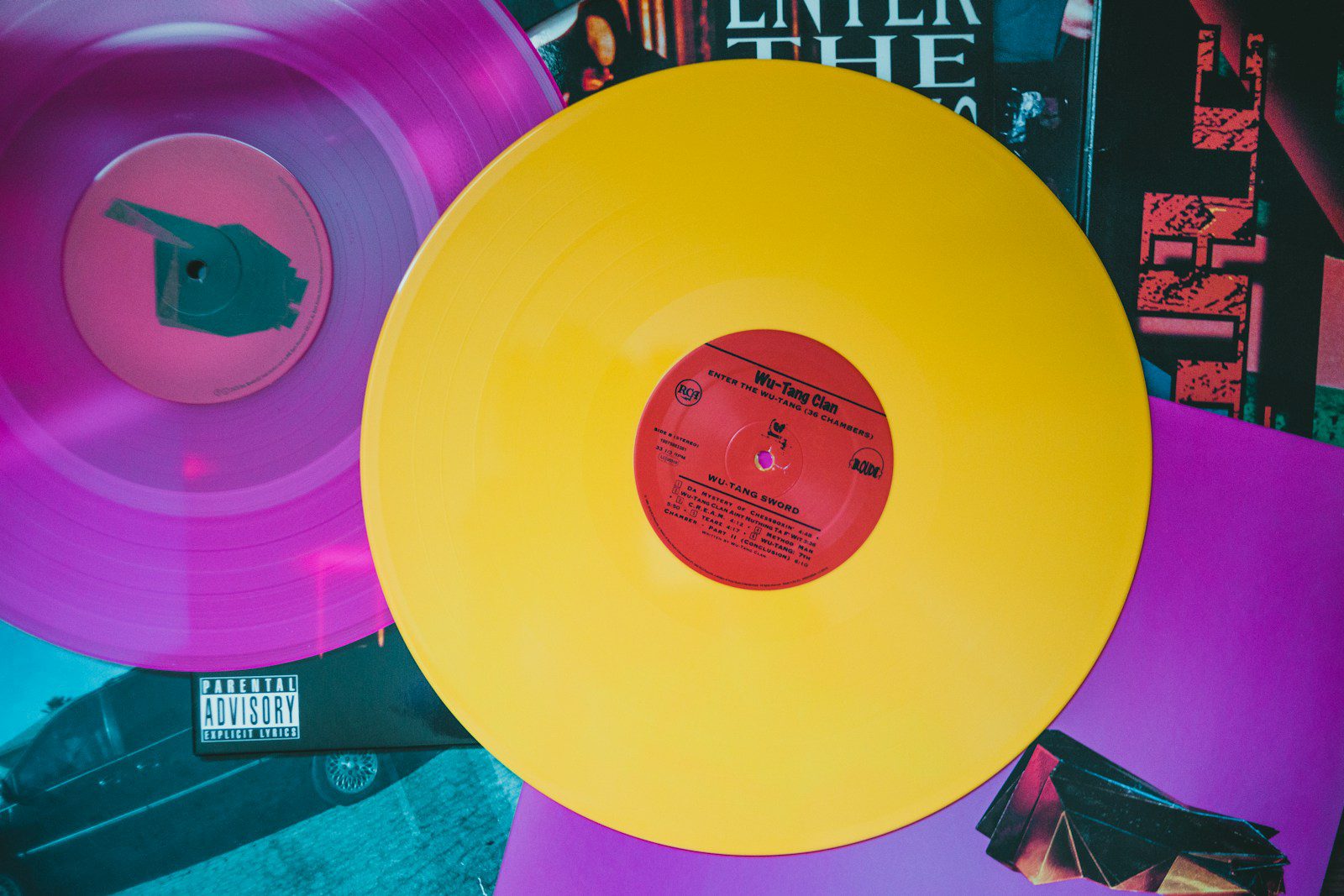
Most vinyl records were pressed in standard black, so colored vinyl variants, whether a limited-run reissue or an original colored pressing from decades ago, tend to stand out to collectors because they are scarcer than the standard release. Hold records up to a light source to check for color and clarity, and research whether a specific colored pressing was a limited or promotional run before assuming its color alone determines value. Some discs that look black on the turntable can show a deep red or brown tint when a strong light shines through them. Check the packaging too. A sticker on the shrink wrap or jacket may name the color and the size of the edition, and some limited runs are hand numbered. Keep that sticker, even if the wrap is torn. Color is common on recent reissues, so check the date on the jacket and label. Picture discs, which have artwork pressed into the playing surface, are a separate category worth looking up title by title.
Box Sets and Multi-Record Albums
Multi-disc box sets, especially those originally packaged with booklets, posters, or other inserts, are considerably more valuable when complete than when only individual discs survive. Check that all original discs and paper inserts are accounted for against any track listing or booklet, since a complete, well-preserved set holds meaningfully more value than a partial one missing its extras. Start with the spine or the back of the box, which usually states the number of records. Then check that each disc is the right one. Side numbers should run in order across the set, and the labels should match in design. Discs often end up in the wrong box after years of use, so look through nearby albums for strays before giving up on a set. Open the booklet and make sure no pages have been cut out. Check the box itself for split corners, a crushed lid and water stains. Gatefold double albums deserve the same check, since posters and lyric sheets slip out easily.
Autographed Records
A record album signed by the artist, ideally with some documentation or clear provenance establishing authenticity, can be worth considerably more than an unsigned copy of the same release. Signatures obtained at documented public appearances are generally easier to verify than an undocumented signature found on an inherited record, but either way, research it before assuming a signed cover is a previous owner’s own handwriting. Look in the jacket for supporting items such as a ticket stub, a photo from the signing or a letter, and keep them with the record. Note where the signature sits and what it says. A personal inscription to a family member is useful evidence of how it was obtained. Compare the writing with known examples of the artist’s signature from the same period. Do not clean the cover, trace over faded ink or cover the signature with tape. For a well-known name, a third-party autograph authentication service can examine it and issue a certificate, which most serious buyers will want.
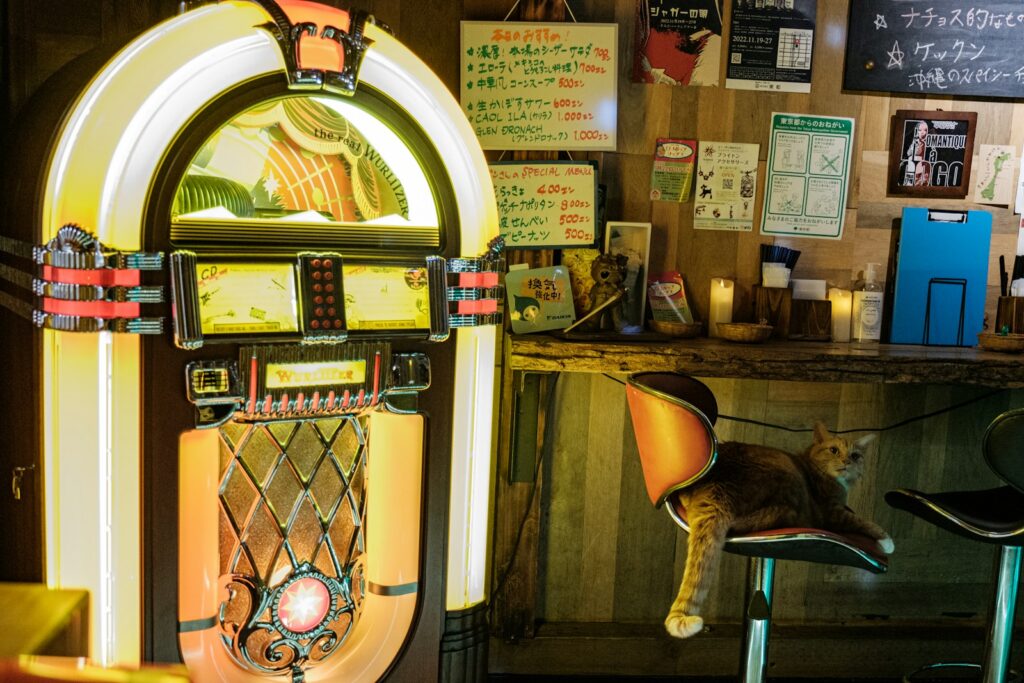
Jukebox 45s
Records made or prepared for jukebox use are a distinct category from ordinary home-use singles, and certain jukebox-only releases and pressings have their own dedicated collector niche. The large center hole is not the clue, because that hole is standard on American 45s. Look for the things that came with jukebox stock. The most common are title strips, the small printed paper slips that slid into the machine’s selection panel to show the song and artist. They often turn up as unused perforated sheets tucked into a sleeve or loose in the bottom of the box, and they are easy to mistake for scrap paper. Keep them with the record they name. Jukebox copies were played heavily, so examine the grooves closely under a lamp for a gray, worn look. A copy that never went into a machine, with its strips intact, is the one collectors prefer.