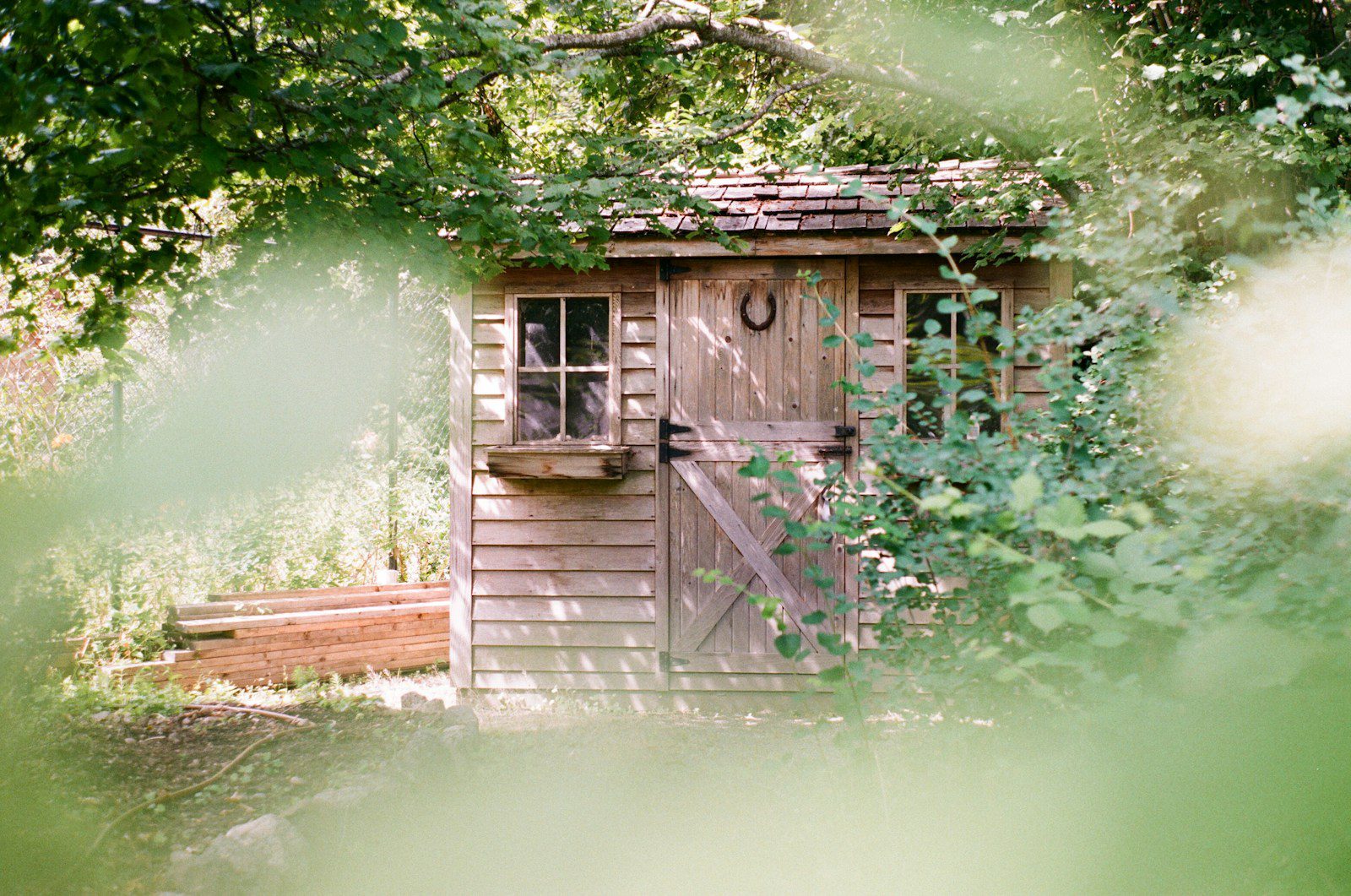
Sheds take a beating from moisture, temperature swings, and general neglect, which means the longer something sits in there, the more likely it is to be quietly deteriorating rather than waiting patiently for its next use. A shed cleanout is one of those tasks that’s easy to put off, but the items inside often aren’t getting any more useful by staying put.
Here are eight things worth clearing out of your shed before rust, rot, or time makes the decision for you.
Rusted Hand Tools
Rust doesn’t just look bad. It eats into the metal, weakens a tool, and can make it less safe and less effective to use. Start by sorting what you have into two piles. Light surface rust, the orange film that comes off on a rag, can usually be scrubbed away with steel wool or a wire brush, and the tool goes back into service after a wipe of oil. Deep rust is different. If the metal is pitted, flaking in layers, or thin enough to flex where it shouldn’t, the tool is finished. The same goes for pliers and adjustable wrenches with frozen jaws, screwdrivers with corroded tips that slip out of the screw, and hammers with loose or cracked handles. Steel tools that are past saving can go to a scrap metal recycler instead of the trash. For everything you keep, hang it on a wall rack or pegboard rather than leaving it in a pile on a damp floor, and wipe each tool dry before it goes back.
Old Gasoline for Equipment You No Longer Own
Fuel storage deserves real attention in a shed setting. OSHA’s standards on flammable liquids are written for workplaces, not backyards, but they show how seriously fuel containers are taken. The standard defines a safety can as an approved container of no more than five gallons, with a spring-closing lid and spout cover, designed to safely relieve internal pressure if it is exposed to fire. A dented can with a missing cap is a long way from that. If you’re holding onto gasoline for a mower or trimmer you no longer own, it’s both clutter and a legitimate safety concern. Don’t dump it. The EPA’s household hazardous waste guidance counts pouring products down the drain, on the ground, or into storm sewers as improper disposal. Take the fuel to a hazardous waste facility rather than storing it indefinitely. The EPA says your local environmental, health, or solid waste agency can point you to permanent or periodic collections nearby, and that leftovers should never be mixed with other products.
Broken Garden Tools
A rake with a snapped handle or shears that no longer close properly aren’t earning their spot in a shed that’s likely already tight on space. Go through the pile one tool at a time and decide on the spot. A shovel, hoe, or rake with a sound metal head and a broken wooden handle is usually worth saving, because replacement handles are sold separately and take a few minutes to fit. Pruners and loppers that are only stiff or dull often come back with cleaning, sharpening, and a drop of oil on the pivot. Let go of the rest: rakes with missing or bent tines, tools with cracked heads, loppers whose blades no longer meet, and hoses that leak along their length rather than at a fitting. Be honest about repairs you have been meaning to do for more than a season. If the fix hasn’t happened by now, it probably won’t. Metal heads can go to scrap recycling once the handles are off.
Empty Plant Pots in Every Size
Gardeners tend to accumulate far more empty pots than they’ll ever replant, especially after a season of buying new plants in their own containers. Pull every pot out and sort by size before deciding anything, because the stacks hide how many you really have. Keep a reasonable stack of your most-used sizes, nested together, plus any saucers that fit them. Thin plastic nursery pots that have turned brittle and crack when squeezed are done, and so are terracotta pots with cracks running down the side, since they tend to split once they’re filled and watered. Check that every pot you keep has open drainage holes. Donate the excess to a community garden, a school garden program, or a neighbor who gardens, and ask your local garden center whether it takes nursery pots back for reuse. Give the keepers a scrub to remove old soil before stacking them, so they are ready to use when planting season arrives.
Leftover Fertilizer and Pesticide From Past Seasons
Lawn and garden chemicals can degrade over time and become less effective, and old containers can also become brittle or start to leak. Check every bottle, bag, and jug for cracks, rusted lids, crusted caps, and labels you can no longer read. Dispose of expired or damaged products through a household hazardous waste program rather than using something that may no longer work as intended or keeping it as a leak risk. The EPA’s advice on safe pesticide disposal is specific: never pour pesticides down the sink, toilet, sewer, or street drain, and never reuse an empty pesticide container, because residue can contaminate whatever goes in next. The agency suggests checking with your local solid waste authority, environmental agency, or health department for a collection program, and notes that state and local disposal laws may be stricter than the directions on the label. Whatever you keep should stay in its original container with the label attached, and never in a food container.
Extension Cords Left Outside
Cords that live in a shed sit through damp, heat, and cold, and a cracked or frayed outdoor cord is a genuine hazard. The Electrical Safety Foundation International says roughly 3,300 home fires start in extension cords each year, killing 50 people and injuring 270 more. Uncoil each cord fully and run it through your hands from plug to socket. Look for cracked or stiff insulation, flattened sections, exposed wire, bent or missing prongs, and plugs wrapped in electrical tape. ESFI’s rule is blunt: never use a cord that feels hot or is damaged in any way, because touching even a single exposed strand can cause a shock or burn. Replace any cord with visible damage rather than continuing to use it. Then check the markings on what’s left. ESFI advises making sure a cord is marked for indoor or outdoor use and rated for what you plug into it, and not letting cords run through water or snow on the ground.
Mower Parts From a Machine You Replaced
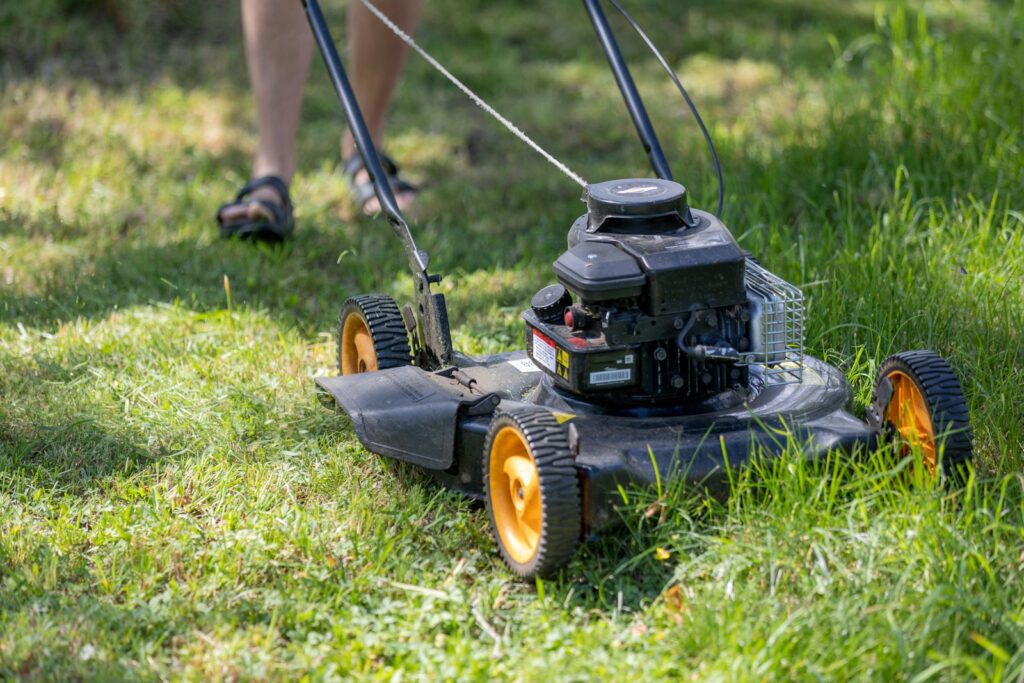
Spare blades, belts, or parts for a mower that’s since been replaced or repaired with newer components often linger in a shed corner. Mower parts are rarely interchangeable. Blades differ in length, in the shape of the center hole, and in how they mount, and belts are cut to a specific length and width for a specific deck. Compare the part numbers on what you have against the parts list in your current mower’s manual. If the numbers don’t match, the parts are unlikely to serve a future purpose. Unused parts still in their packaging are worth offering to someone who owns that model, so list them locally with the mower’s make and model number in the description. Used blades and other bare metal pieces can be recycled through a metal recycling program. Old air filters and frayed belts are trash. If there are leftover bottles of oil in the same corner, treat them the way you treat other hazardous leftovers and take them to a collection site.
Holiday Decorations Stored in the Wrong Place
Outdoor holiday decorations sometimes end up shoved into a shed without proper protection from moisture, which can shorten their lifespan considerably. Open every box, because cardboard soaks up damp and hides what is going on inside. Look for mildew on fabric and inflatables, rust on wire frames and stakes, faded or brittle plastic, and signs that mice have been nesting in the packing. Check light strings the same way you would an extension cord. Cracked insulation, corroded sockets, or bare wire mean the string should be thrown out, not plugged in to see whether it still works. Let go of anything already too damaged to use again. For what’s still in good shape, consider moving weather-sensitive decorations to a drier indoor storage spot such as a closet shelf. Anything that has to stay in the shed does better in lidded plastic bins set on a shelf, off the floor, with each bin labeled by holiday so you can find it next year.