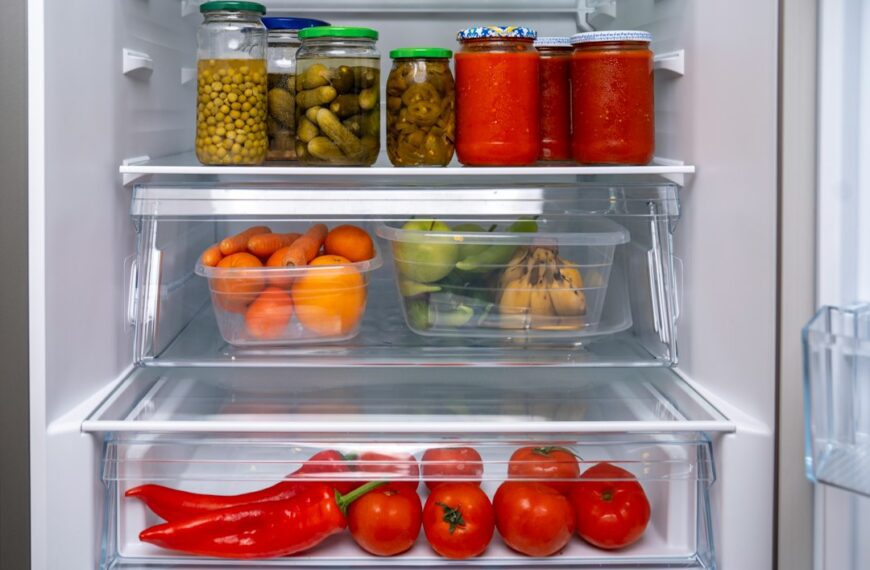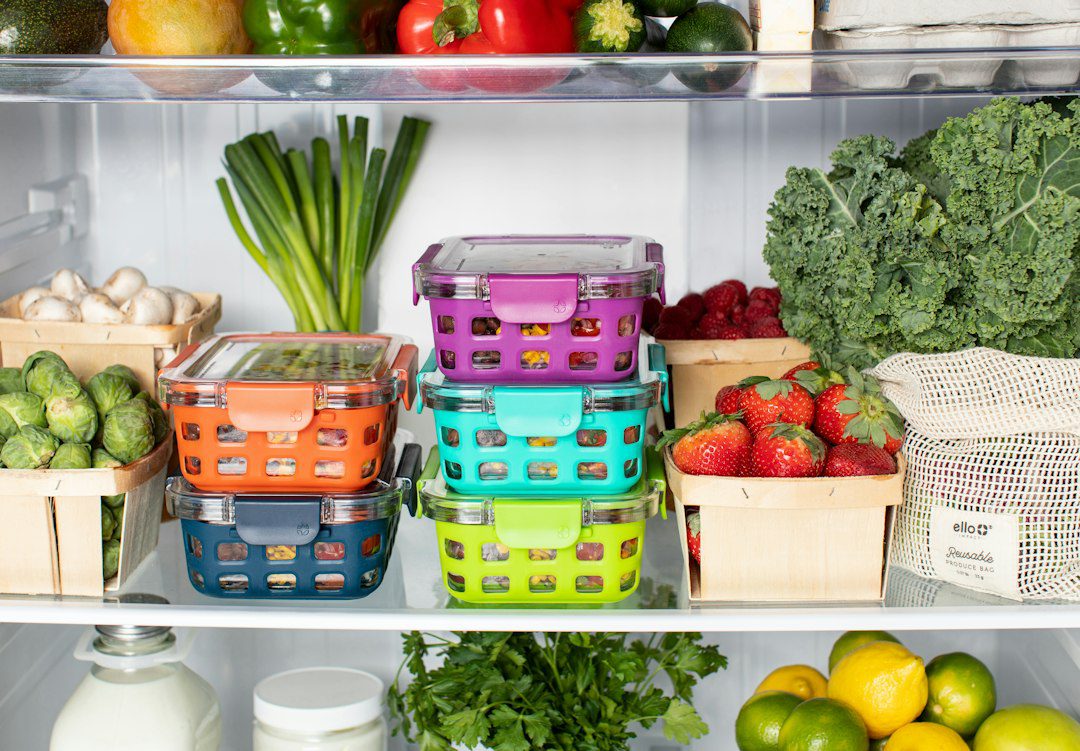
The refrigerator is one of those spaces that fills up gradually and invisibly. Leftovers get pushed to the back, condiments multiply, and before long you’re digging through a jungle of jars just to find the milk. Because everything’s cold, it’s easy to assume everything’s still fine — but cold doesn’t mean forever.
Here are eight fridge dwellers worth confronting today, so you can actually see what you have and stop wasting money on food that quietly goes bad in the back.
Leftovers You Can’t Identify
If you have to open a container and squint to figure out what’s inside, it’s been in there too long. According to USDA food safety guidance, most leftovers should be eaten within three to four days, after which the risk of bacterial growth increases even if nothing looks or smells obviously off. Set a habit of labeling containers with the date they went in, and do a quick sweep at the end of each week to clear out anything past that window.
Condiments Past Their Prime
Ketchup, mustard, barbecue sauce, and salad dressings tend to linger in fridge doors for months or years past when they were actually used regularly. Check for separation, unusual color changes, or an off smell, and don’t be afraid to toss a bottle that’s more than three-quarters empty and has been sitting untouched for ages. A fridge door with ten half-used condiments is rarely more useful than one with the four you actually reach for.
Wilted Produce
That bag of spinach that’s turned slimy or the carrots that have gone soft and rubbery aren’t coming back to life. Produce drawers are notorious for hiding wilted vegetables behind fresher ones, so pull everything out, wipe down the drawer, and only put back what’s genuinely still good. Going forward, storing produce properly — greens wrapped loosely, root vegetables in a cooler drawer — can meaningfully extend freshness.
Eggs Past Their Carton Date
Eggs stored properly in the refrigerator generally stay safe for several weeks past the pack date, but once you’re well beyond that window, it’s worth doing a freshness check rather than guessing. A simple float test in a bowl of water can help: eggs that sink and lay flat are fresher, while ones that float should be discarded. When in doubt, don’t cook with an egg that smells off once cracked.
Half-Empty Jars of Jam or Preserves
Jams and preserves can last a while unopened, but once opened they have a more limited window, especially if a knife with crumbs has been dipped in repeatedly. Check for mold on the surface or around the lid, and don’t scrape mold off and eat the rest — if you see it, the whole jar goes. Consolidating half-used jars into one, if flavors are compatible, can also save space.
Sauces and Marinades You Bought for One Recipe
A specialty sauce bought for a single recipe often gets used once and then abandoned in the back of the fridge for months. If you haven’t touched it in over a month and don’t have another recipe planned, it’s probably not going to happen. Check the expiration date and let it go if it’s approaching or past that point.
Drinks Nobody in the Household Actually Drinks
Extra sodas, juices, or specialty drinks purchased for a party or a guest can linger long after the occasion has passed. If nobody’s reaching for them, they’re just using up shelf space that could hold things your family actually consumes regularly. Consider donating unopened beverages to a food pantry or simply not restocking them next time.
Butter or Margarine Tubs With an Odd Smell
Fats can pick up off odors from other strong-smelling foods in the fridge or simply go rancid over time once opened. If your butter or margarine smells sour or “off” rather than mild and creamy, it’s time to replace it. Keeping fats in a sealed container away from strong-smelling foods like onions or garlic will help prevent this in the future.