Glassware is one of the trickiest categories to sort through when downsizing or clearing out a home, mostly because so much of it looks similar at a glance. A genuinely valuable piece of Depression glass can sit right next to a nearly worthless modern reproduction, and telling them apart takes a closer look than most people think to give it.
Avoid these six common mistakes, and a box of glassware headed for donation might turn into something worth actually selling.
Assuming All Colored Glass Is Depression Glass
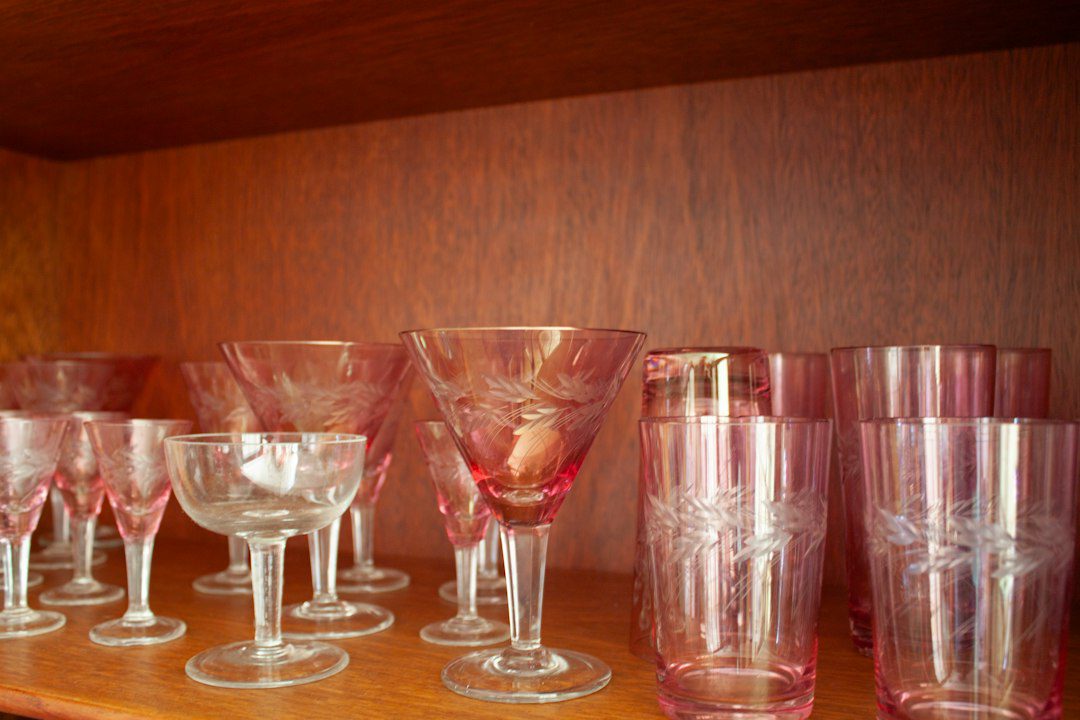
Depression glass, the mass-produced colored glassware from the 1920s through 1940s, gets used as a catch-all term for almost any colored vintage glass, but that’s a costly generalization. Genuine Depression glass has specific pattern names, and value varies enormously between common patterns produced by the millions and rarer patterns produced in smaller runs or discontinued quickly. Reproductions and later glassware in similar colors are often mistaken for the real thing. Before assuming a pink or green glass dish is either valuable Depression glass or worthless modern glass, look closely at the pattern detail and compare it against known reference patterns rather than judging by color alone.
Not Checking for Uranium Glass Under UV Light
Certain vintage glass, often called Vaseline glass or uranium glass, contains small amounts of uranium oxide that give it a distinctive yellow-green tint and cause it to glow bright green under ultraviolet light. This glow is one of the most reliable ways to identify genuine pieces, since reproductions typically lack the uranium content and won’t fluoresce the same way. A simple blacklight, inexpensive and widely available, can confirm whether a piece belongs to this specifically collected category before it gets donated as ordinary glassware. Pieces that fluoresce strongly are generally worth researching further rather than assuming their slightly odd color means nothing.
Mistaking Carnival Glass for Cheap Iridescent Glass
Carnival glass, known for its pressed patterns and iridescent, oil-slick sheen, was originally sold as an inexpensive alternative to expensive art glass, which makes it easy to underestimate today. Certain colors and patterns, particularly those produced in smaller quantities or by specific manufacturers, are considerably more valuable than the common marigold-colored pieces found most often. Tilt a piece under good light to examine the iridescent finish and pattern detail closely, since color rarity affects value far more than most people expect. A piece that looks like inexpensive costume glass at first glance may actually belong to a genuinely collected carnival glass line.
Overlooking Milk Glass Because It Looks Plain
White milk glass, especially in hobnail or lace-edge patterns, often gets dismissed as plain and unremarkable compared to colorful Depression or carnival glass, but certain patterns and pieces have a dedicated collector base of their own. Look for a manufacturer’s mark on the base, and pay attention to the intricacy of any embossed pattern, since more detailed pressed designs generally command higher prices than plain smooth pieces. Complete sets, such as matching serving pieces or a full punch bowl set, are worth considerably more together than scattered individual pieces. Don’t assume plain white glass has no value just because it lacks obvious color or shine.
Ignoring Chips and Assuming They Don’t Matter
Small chips along the rim or base of a glass piece are easy to overlook, especially in dim attic or basement lighting, but they significantly affect resale value even on otherwise rare pieces. Run a finger gently along every rim and edge, and check the base for any hairline cracks that might not be immediately visible. A piece with even a small chip typically sells for a fraction of what an identical undamaged piece would bring, so it’s worth inspecting glassware carefully in good light before assuming its condition matches its apparent age and rarity.
Cleaning Glass Aggressively Before Checking Its Value
Scrubbing tarnished or cloudy glass with abrasive cleaners or a dishwasher can permanently damage delicate vintage pieces, particularly hand-painted or gilded glassware where the decoration sits on the surface rather than being fired into the glass. Cloudiness on the inside of vases and decanters, often caused by mineral deposits, can sometimes be treated with gentler methods like a vinegar soak, but aggressive scrubbing risks removing gold trim or hand-painted details permanently. Research a piece’s likely value and appropriate cleaning method before attempting to make it look presentable, since well-meaning cleaning sometimes destroys the very details that made a piece valuable in the first place.