Your rooms may be perfectly sized on paper yet still feel cramped in daily life. The way you clean, decorate, and light each space can quietly chip away at openness, making every corner seem tighter than it really is. By spotting a few common design and maintenance habits, you can reclaim visual square footage without knocking down a single wall.
1) Excessive Clutter Buildup
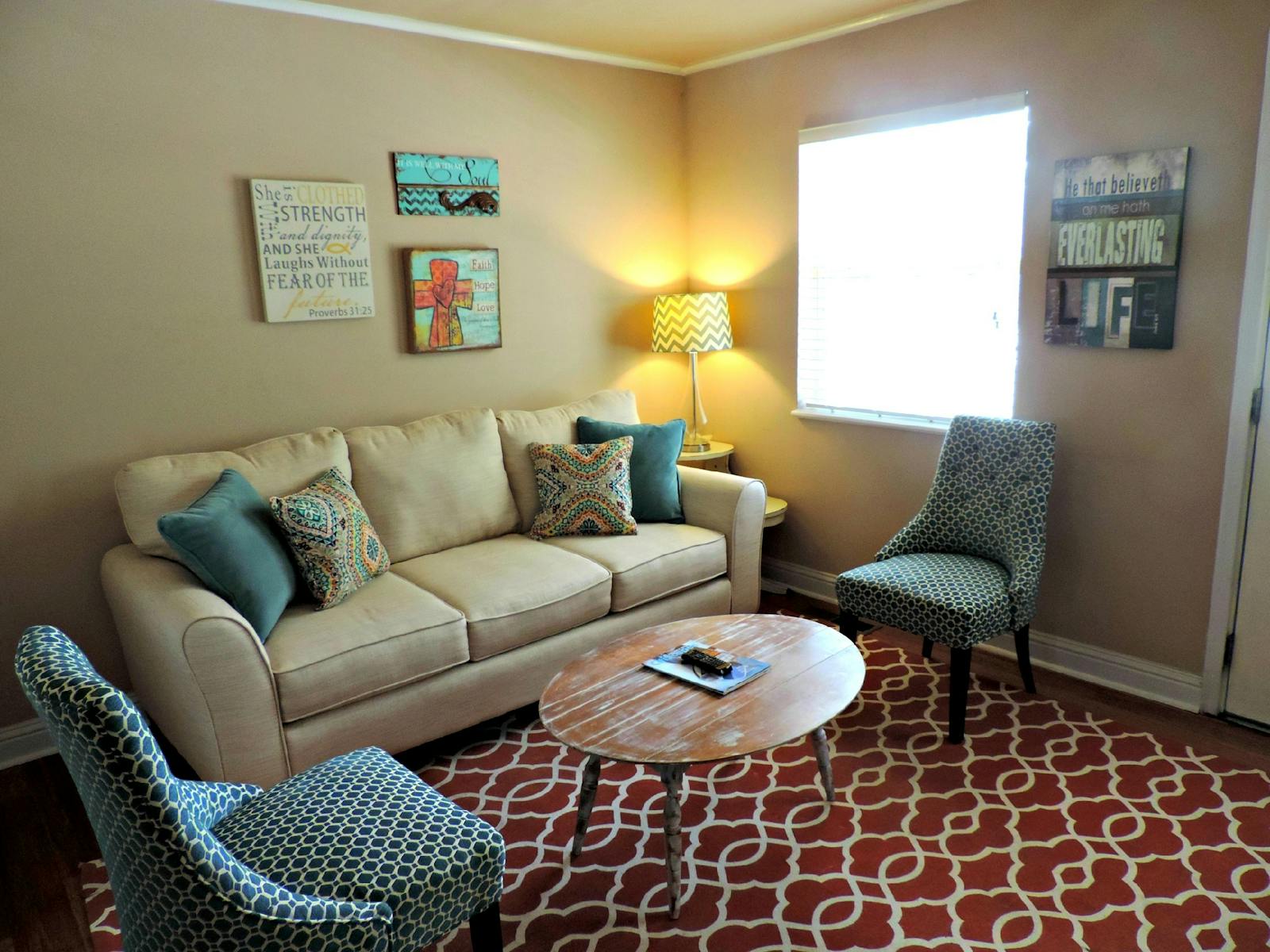
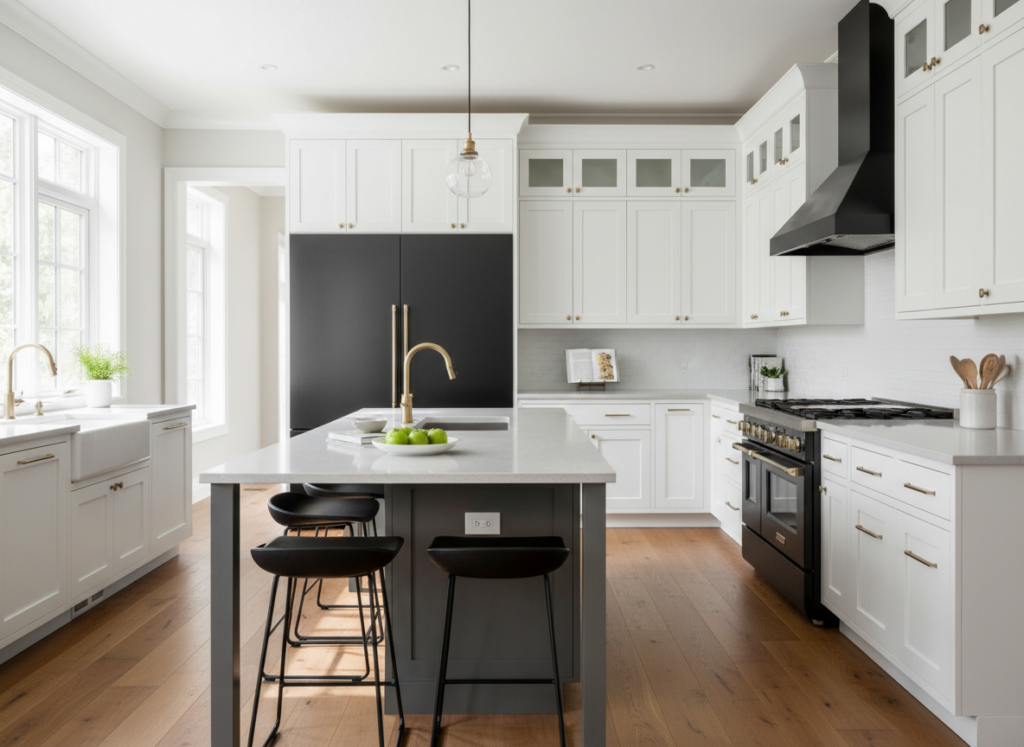
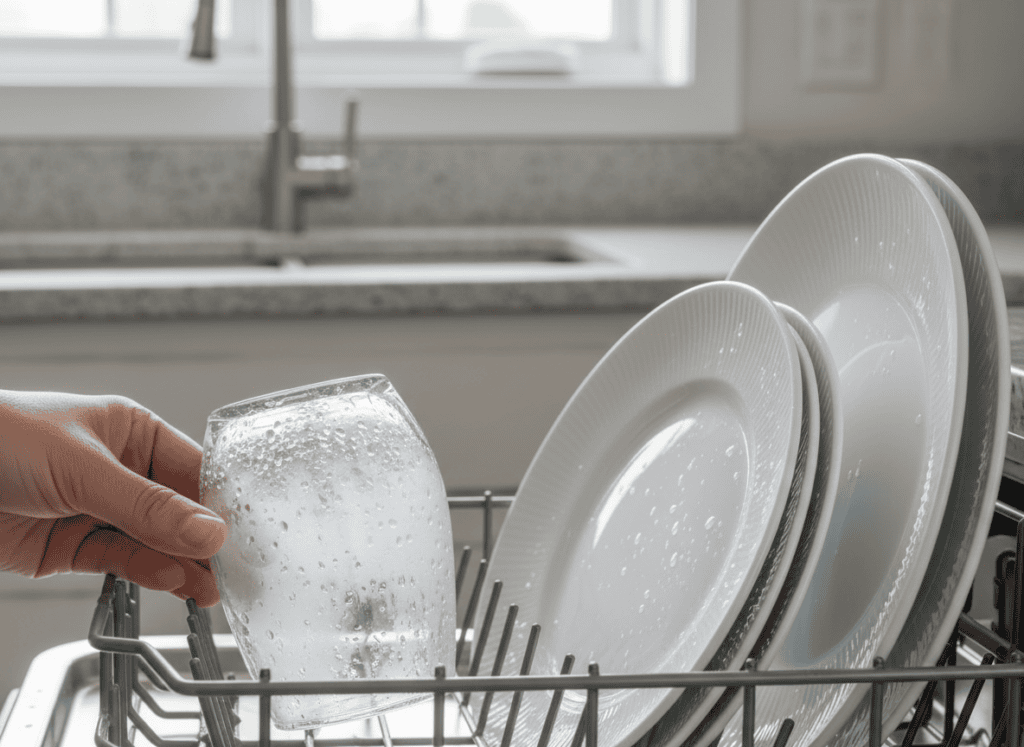
Excessive clutter buildup, especially from daily uncleaned items, is one of the fastest ways to make your home feel smaller. When dishes linger in the sink, crumbs collect on kitchen counters, and debris gathers on floors, the eye reads the space as crowded rather than functional. Guidance on what to clean daily highlights surfaces like counters, sinks, and floors as high-impact zones where mess accumulates quickly and shrinks perceived space.
Letting these areas slide even for a few days can blur boundaries between work zones, walkways, and seating, so rooms feel more like storage than living space. For homeowners, that visual noise can raise stress levels and make it harder to relax or focus. Editing what stays out, then building a short daily reset around dishes, sweeping, and quick wipe-downs, restores clear sightlines so the same square footage feels lighter and more expansive.
2) Overloaded Personal Items
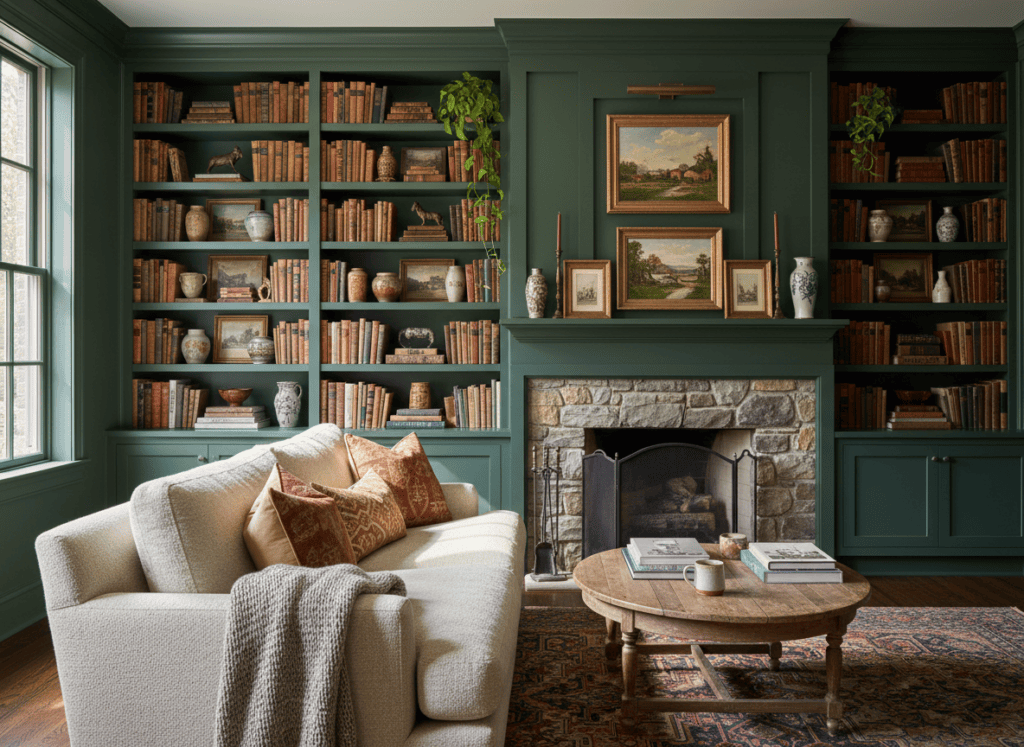
Overloaded personal items, including family photos, religious icons, and collectibles, can unintentionally crowd your rooms. Real estate guidance on what to remove before a sale notes that family photos, religious icons, and collectibles dominate shelves and walls, leaving buyers focused on your belongings instead of the architecture. The same effect applies when you are staying put, because every extra frame or figurine competes for attention and makes walls feel closer.
When every surface is filled edge to edge, there is no visual breathing room, so even a generous living room can read as cramped. Editing down to a few meaningful pieces per zone, then rotating others into storage, keeps your personality visible without overwhelming the eye. For anyone working from home or hosting guests, that restraint supports calmer conversations and makes rooms feel more flexible and spacious.
3) Bulky or Excess Furniture
Bulky or excess furniture, especially large, mismatched pieces or too many chairs, physically blocks circulation and visually shrinks a room. Advice on preparing a property for a quick sale stresses that large, mismatched pieces or too many chairs can dominate small areas and distract from the layout. When sofas are oversized for the room or dining chairs are packed tightly together, pathways narrow and every movement feels constrained.
Even if you love each item individually, the combined volume can overwhelm modest square footage. Editing down to a cohesive set of pieces that share similar scale and leg height opens up floor space and improves flow between zones. For households juggling work, kids, and guests, that extra clearance reduces daily friction, cuts down on stubbed toes, and lets the same room flex between tasks without feeling like a maze.
4) Dark or Draped Window Treatments
Dark or heavily draped window treatments can rob a room of natural light, which is crucial for making any home feel larger. Design reporting on subtle upgrades notes that heavy curtains or blinds block daylight and reduce visual openness, the opposite of the airy, luxurious feel many people want. When fabric pools on the floor in a dark color, it can visually shorten walls and make ceilings appear lower.
Swapping to lighter fabrics, higher curtain rods, or streamlined shades lets more light wash across walls and floors, stretching the perceived boundaries of the room. For city apartments or small houses, that extra brightness can be the difference between a space that feels cave-like and one that feels inviting. It also supports better mood and productivity, especially in multipurpose rooms that double as home offices or study areas.
5) Unorganized Storage Solutions
Unorganized storage solutions, particularly in work zones, quickly turn compact rooms into stressful, cramped environments. Reporting on tiny workspaces describes how piles of papers, cables, and supplies create visual chaos that amplifies tightness in a small home office. When every surface is layered with documents, chargers, and stationery, the room feels more like a supply closet than a productive hub.
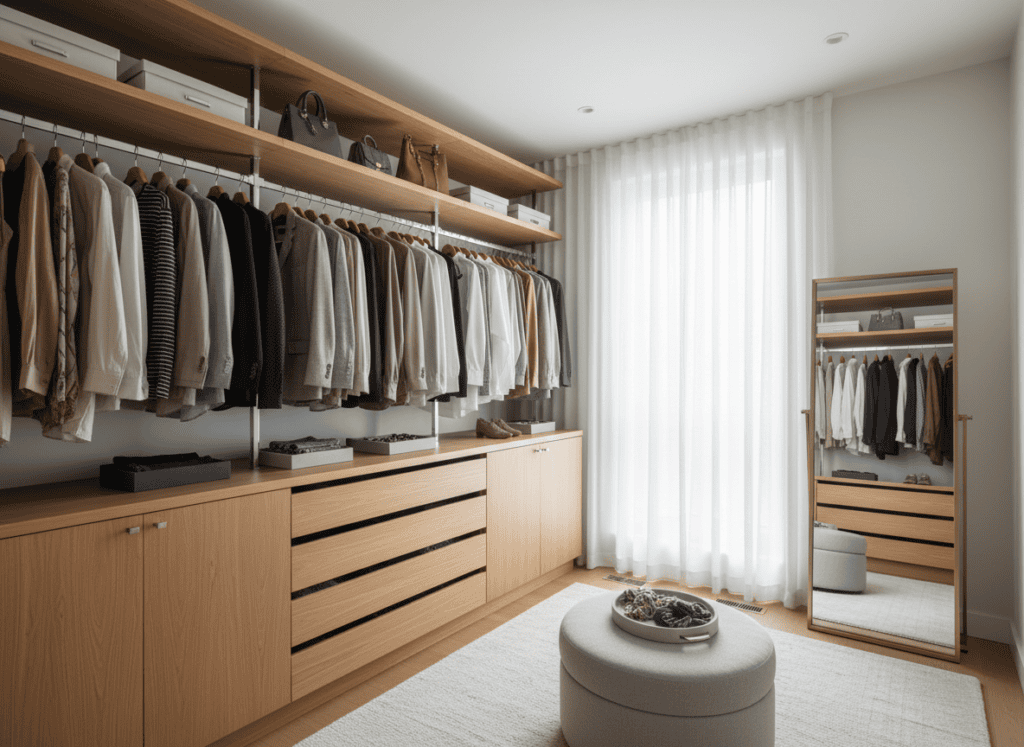
That clutter also hides the true dimensions of your desk and shelving, so you underestimate how much space you actually have. Introducing labeled files, cable management, and closed storage for infrequently used items restores clean lines and clearer work zones. For remote workers and students, this organization directly affects focus, making a modest nook feel like a dedicated, spacious workstation rather than a cramped corner.
6) Neglected Wall and Floor Maintenance
Neglected wall and floor maintenance, including dust on baseboards, light switches, and mirrors, subtly makes rooms feel dingier and smaller. Daily cleaning guidance points out that dust on baseboards, light switches, and mirrors builds up faster than many people realize, dulling surfaces that should reflect light. When these details are grimy, corners look darker and edges blur, so the room’s outline feels compressed.
Clean, reflective surfaces bounce light around, which visually expands walls and brightens floors. A quick routine that includes wiping switches, buffing mirrors, and running a cloth along baseboards can dramatically sharpen the room’s profile. For anyone preparing to sell or rent, that crispness signals good maintenance and can influence how spacious a property feels during a first walk-through, even before buyers check the floor plan.
7) Mismatched or Clashing Decor
Mismatched or clashing decor, especially busy patterns or outdated accessories, overwhelms the eye and makes rooms feel smaller than they are. Reporting on subtle upgrades for a more elevated look notes that busy patterns or outdated accessories can drag down a space instead of enhancing it. When every cushion, rug, and curtain introduces a new motif or bold color, the visual field fractures into competing zones.
That constant stimulation leaves no resting place for the eye, so walls and ceilings seem to close in. Simplifying your palette, repeating a few patterns, and retiring dated pieces creates continuity that stretches the perceived width and height of a room. For homeowners on a budget, this kind of editing is a low-cost way to gain a more spacious, cohesive feel without major renovations or new furniture.
8) Insufficient Lighting Layers
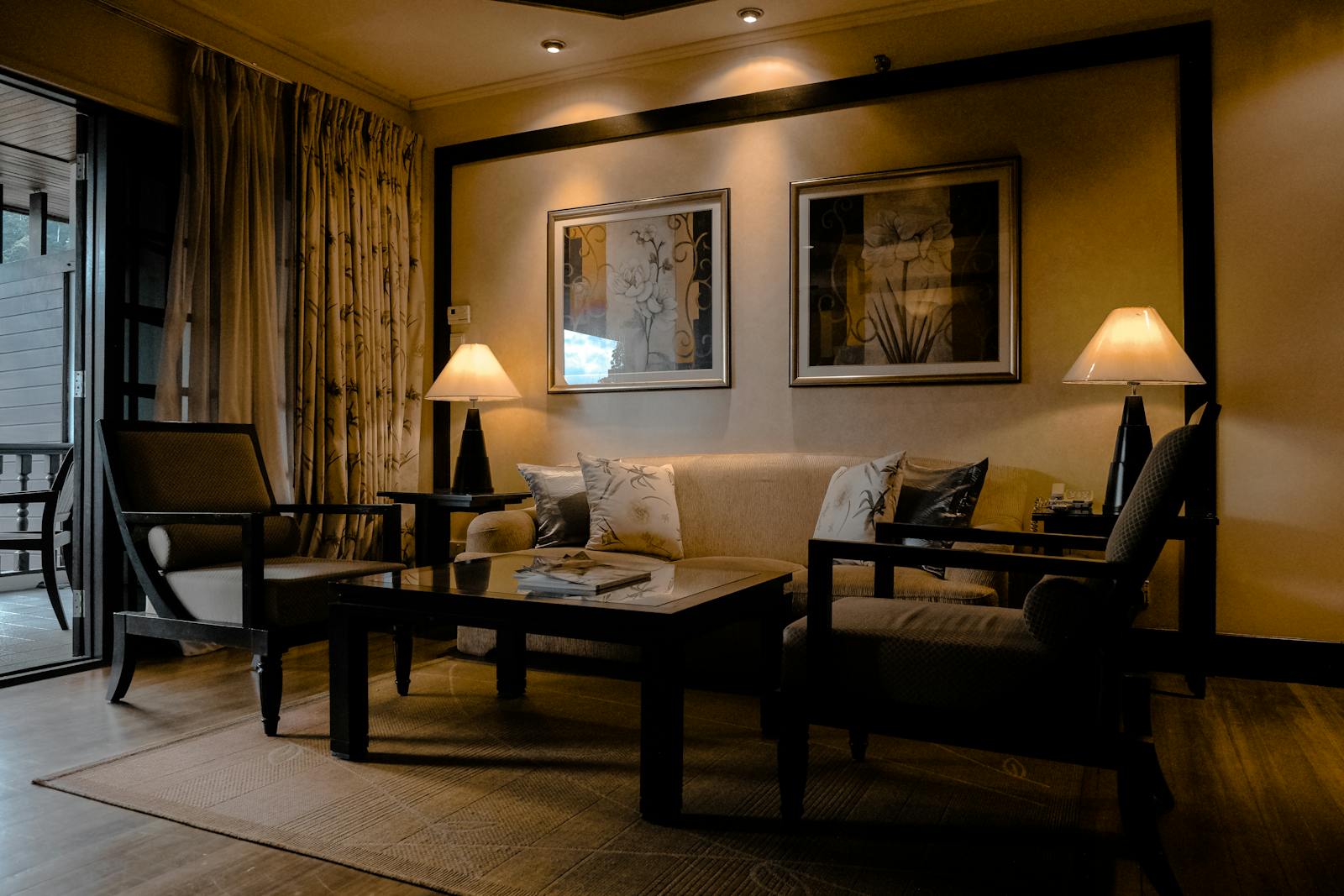
Insufficient lighting layers, particularly when you rely only on overhead fixtures, can cast harsh shadows that compress a room. Guidance on creating a warm, inviting home explains that depending solely on overhead lights without lamps or accents flattens a space instead of building a cosy, expansive glow. Strong ceiling light pools in the center of the room, leaving corners dark and visually cut off.
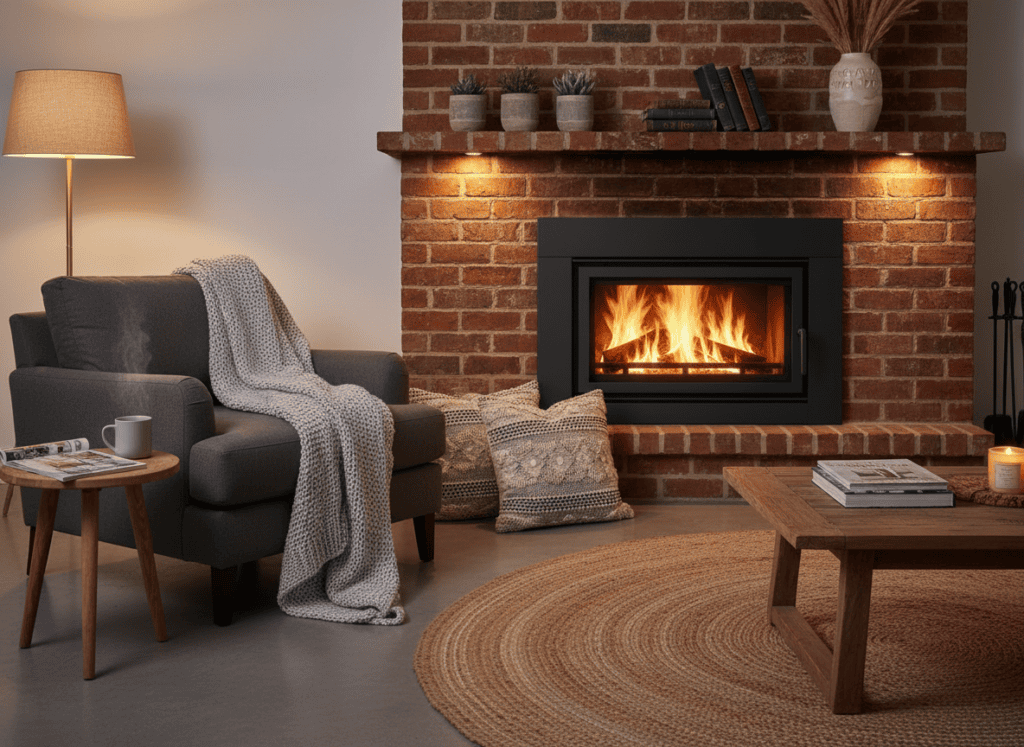
Adding table lamps, floor lamps, and small accent lights fills those shadows and draws attention outward, which makes walls feel farther away. Layered lighting also lets you adjust brightness for reading, working, or relaxing, so each activity has the right level of illumination. For renters and homeowners alike, this is one of the most flexible tools for changing how big a room feels, using only bulbs and portable fixtures.
More from Decluttering Mom: