There’s a special kind of clutter that hides behind good intentions: the stuff we save “for the grandkids.” It starts innocently enough — a china cabinet here, a keepsake box there — and before you know it, an entire closet or garage corner is dedicated to items you’re positive the next generation will treasure someday. The trouble is, someday rarely arrives the way we picture it.
Grandkids today are growing up in smaller homes, moving more often, and living lives that look very different from the ones these items were meant for. Many family historians and downsizing experts point to books like The Gentle Art of Swedish Death Cleaning, which popularized the idea of sorting sentimental belongings now rather than leaving that emotional weight to loved ones later. With that in mind, here are eight well-meaning keepsakes that grandkids are, statistically speaking, unlikely to want.
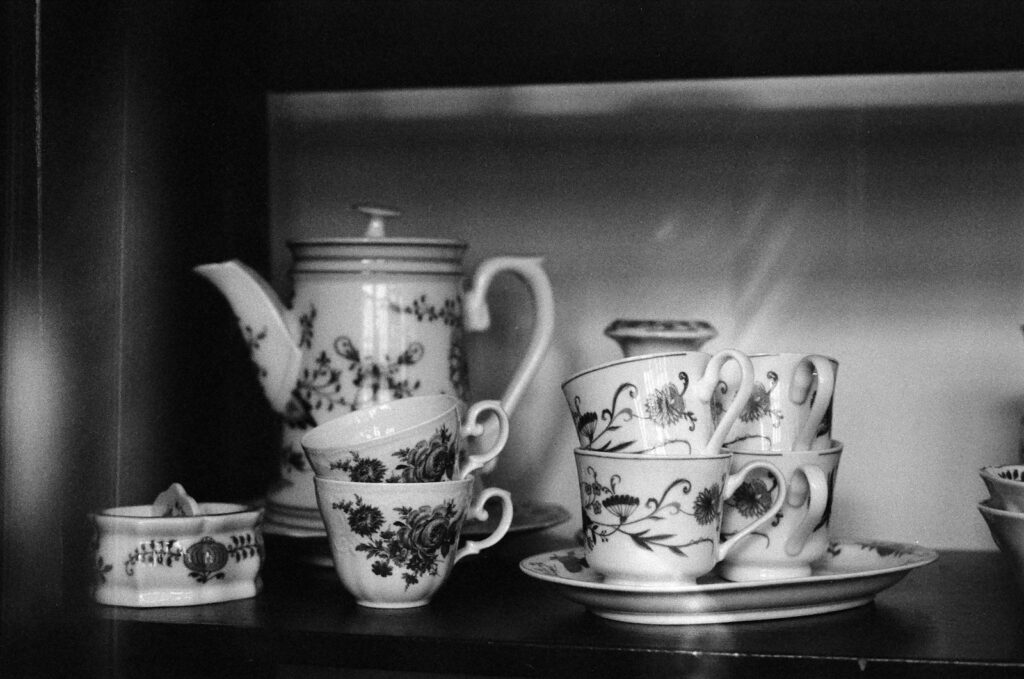
Full Sets of Fine China
The china cabinet is often the most sacred piece of furniture in a grandparent’s home, and yet it’s one of the first things to get quietly re-homed to a thrift store once the estate is settled. Grandkids today tend to live in smaller apartments and entertain casually, and a 12-piece set of formal dishware with matching serving platters simply doesn’t fit that lifestyle. Hand-washing delicate china also feels like a chore to a generation raised on dishwashers and paper plates for easy cleanup. If a set has real sentimental or monetary value, it’s worth asking a specific grandchild now whether they’d actually use it, rather than assuming the whole collection will be cherished later. Often, saving just one or two meaningful pieces — a teacup, a serving bowl — carries the memory without the burden of storing eleven place settings nobody will ever use.
Encyclopedia Sets and Hardcover Book Collections
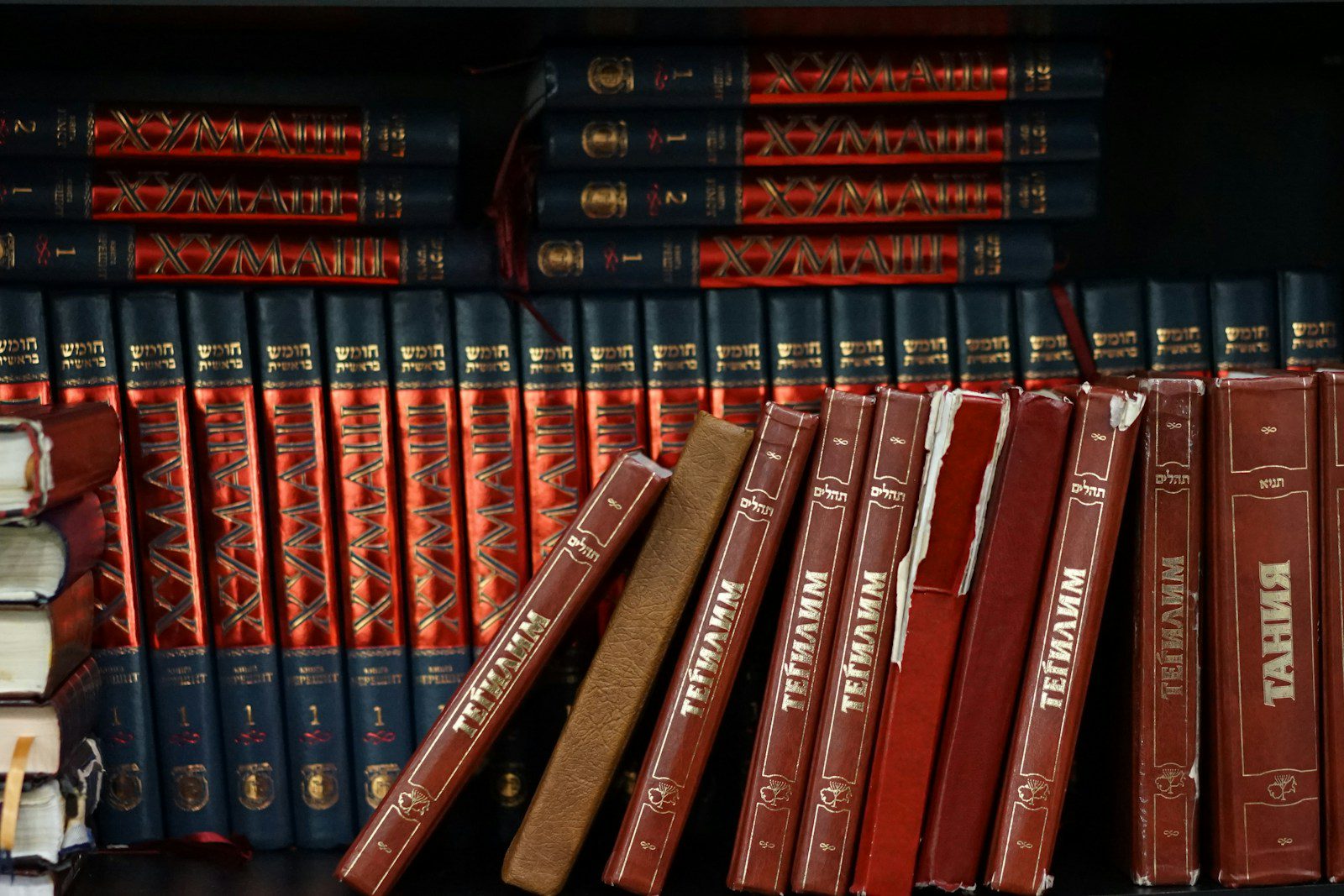
Once considered a status symbol in any family room, a full encyclopedia set or matched leather-bound book collection now mostly represents shelf space that could be used for something else. With information available instantly online, grandkids rarely reach for a 1998 encyclopedia volume, no matter how nostalgic the covers look. The same goes for collected book club editions or commemorative sets bought through mail-order programs decades ago. Unless a particular book has a handwritten inscription or family history attached to it, these sets tend to sit untouched until someone finally decides to donate or recycle them. A better approach is to photograph a favorite volume’s cover or inscription and let the physical set go, keeping the memory without the dozen boxes.
Large Stuffed Animal Collections
It’s easy to accumulate stuffed animals one Easter basket and school fundraiser at a time until a bedroom or closet is bursting with plush bears, bunnies, and cartoon characters. Grandparents often save these thinking future grandkids will want to inherit a whole menagerie, but most children today prefer their own toys picked out for their own interests rather than a hand-me-down collection. Stuffed animals also collect dust and allergens over time, which makes long-term storage less appealing from a practical standpoint. Keeping one or two truly special pieces — the one from a hospital stay, the one that was a first gift — preserves the sentiment far better than an entire bin does. The rest can usually find a happier second life through a donation to a children’s shelter or hospital.
VHS Tapes and DVD Collections of Children’s Movies
Many households still have a box somewhere filled with Disney VHS tapes or early-2000s DVDs, saved on the assumption that grandkids will want to relive the same movie nights. In reality, most families now stream everything, and the format itself has become a barrier rather than a bridge to sharing the memory. Even families who kept a VCR for nostalgia’s sake often find the tapes have degraded or the player has stopped working entirely. If a specific title holds real meaning, it’s worth checking whether it’s available to stream or purchase digitally instead of storing the physical media. That way the memory of watching it together can be passed down without needing a working VCR to access it.
Formal Dining and Bedroom Furniture Sets
Heavy, ornate furniture — a hutch, a four-poster bed, a full dining set with a matching buffet — was often bought to last a lifetime, and it has. The problem is that grandkids’ first apartments and starter homes rarely have the square footage or the design style to accommodate large formal pieces. Moving costs alone can make inheriting a massive furniture set impractical, especially for young adults who move for jobs every few years. Many find themselves paying to store or dispose of pieces they felt too guilty to refuse when it was offered. Asking directly, well before any estate planning becomes urgent, tends to save everyone the awkwardness of a polite but firm no down the road.
Boxes of Old Birthday Cards and School Papers
Saving a child’s artwork or a heartfelt birthday card feels natural in the moment, but decades of accumulation can turn into several bulky boxes that grandkids inherit and have no idea what to do with. Most adult children don’t want to sort through hundreds of school worksheets or greeting cards from people they can no longer place. A more manageable approach many organizers recommend is choosing a handful of the most meaningful items each year and digitizing the rest through a photo or scan. This keeps the sentimental value intact in a format that’s actually searchable and shareable, rather than a mildewing box in an attic that gets passed down unopened for another generation.
Porcelain Dolls and Collectible Figurines
Collectible dolls and figurines were often purchased as investments or cherished hobbies, complete with certificates of authenticity and original boxes. Unfortunately, tastes have shifted dramatically, and many collectibles that once seemed valuable have little resale demand today, with entire online forums dedicated to people trying to give away collections for free. Grandkids frequently find these items more unsettling than charming, especially rows of glass-eyed dolls staring out from a curio cabinet. Unless there’s a specific grandchild who has expressed genuine interest in collecting, it’s usually kinder to sell, donate, or otherwise part with these pieces during your lifetime. That way the decision doesn’t become an unwanted inheritance headache for someone who feels obligated to keep them out of guilt.
Holiday Decorations Bought “For When They Have Kids”
It’s common to pick up an extra ornament set, an oversized inflatable lawn decoration, or a box of themed party supplies with the thought that it will come in handy once grandkids are older and hosting their own holidays. But holiday decorating tastes are deeply personal, and most adults prefer to build their own traditions and aesthetic rather than inherit someone else’s decades-old decor. Storage space for seasonal items is also at a premium in most modern homes, meaning extra boxes often get left in a garage rather than actually used. If there’s a decoration with real family history — a hand-painted ornament, a nativity set passed down for generations — offering that one specific item tends to be far more meaningful than an entire storage tote of miscellaneous holiday extras.