You probably grew up with household tips whispered across generations, and those simple tricks still save time, money, and effort today. You’ll find easy, practical techniques using ingredients you already have that tackle stains, odors, rust, and more without expensive cleaners.
As you move through these vintage solutions, you’ll see how everyday items—vinegar, baking soda, lemon, cornstarch, and even bacon grease—can solve modern messes with surprising efficiency. Each tip stays focused on usefulness so you can try them immediately and decide which fit your routine.
Sprinkle cornstarch on fresh grease stains to absorb oil
Act quickly: blot excess grease, then generously sprinkle cornstarch over the stain.
Let it sit for 10–30 minutes to draw out the oil, longer for heavier spills.
Brush or vacuum the powder away and repeat if any residue remains.
For fabric, launder as usual after most oil lifts; for hard surfaces, wipe with a damp cloth.
Cornstarch is inexpensive and non-toxic, making it a handy, low-effort fix.
Learn more about using cornstarch for grease removal from this practical guide (https://chickencooktemp.com/how-to-clean-cooking-oil-with-cornstarch/).
Use white vinegar and water (1:1) as an all-purpose glass and surface cleaner
Mix equal parts distilled white vinegar and water in a spray bottle for a simple, economical cleaner.
You can spray glass, mirrors, and most countertops, then wipe with a lint-free cloth for streak-free results.
Avoid using this on natural stone, sealed wood, or rubber seals to prevent damage.
For stubborn film on glass, let the solution sit a minute before wiping.
See a practical guide to this mixture at Use White Vinegar And Water As An All-Purpose Surface Cleaner (https://adamcleaning.uk/use-white-vinegar-and-water-as-an-all-purpose-surface-cleaner/).
Baking soda paste for scrubbing stained sinks and ovens
Make a paste by mixing baking soda with enough water to form a spreadable paste. Apply to stains, let it sit 10–15 minutes, then scrub with a damp sponge or nylon brush.
The paste acts as a mild abrasive and deodorizer without harsh chemicals. Rinse well and repeat for stubborn spots, but test on colored grout or delicate finishes first to avoid fading.
Rub lemon and salt to remove rust and brighten copper pans
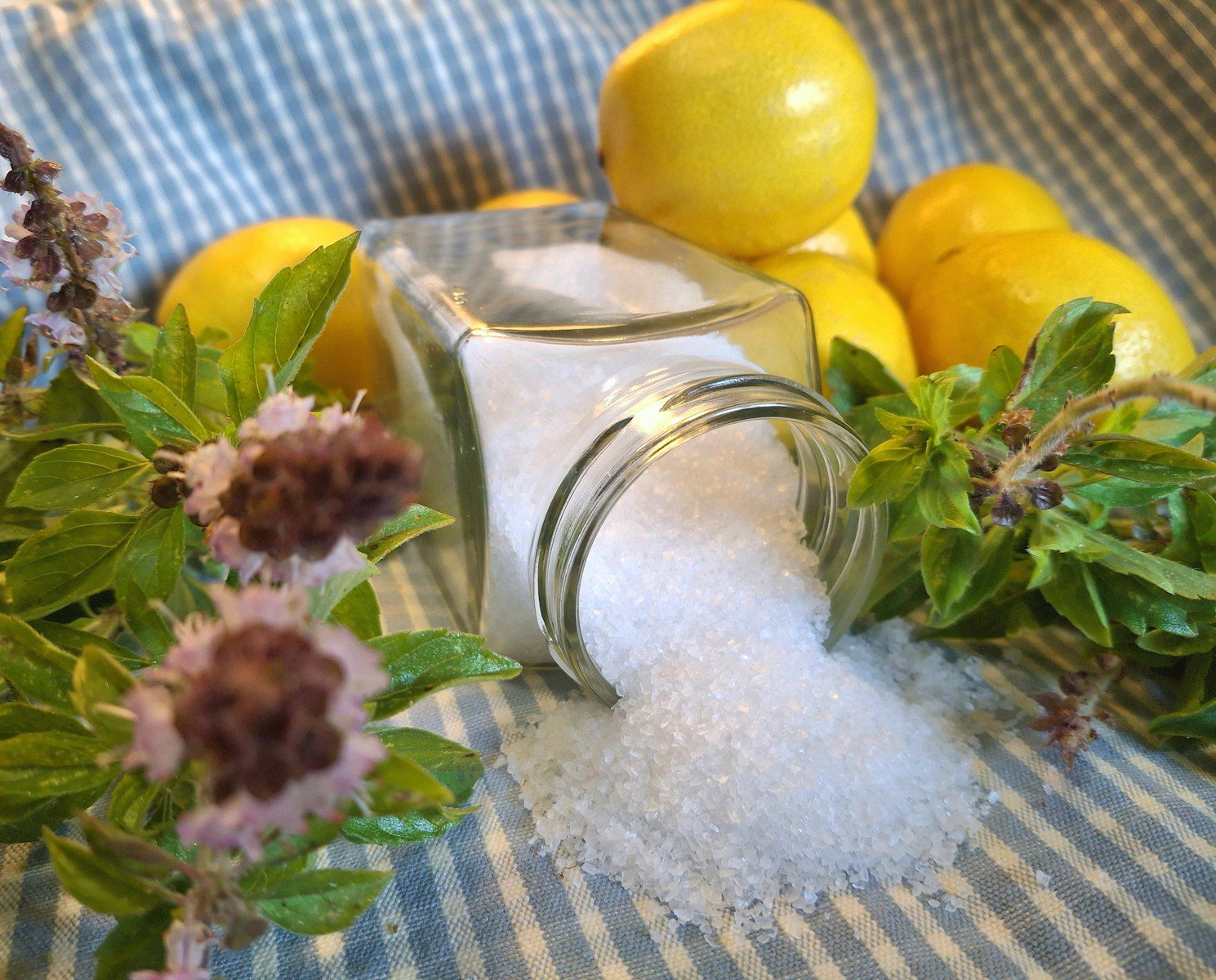
Cut a lemon in half, sprinkle salt on the cut side, and rub it over the copper surface. The mild acid lifts tarnish while the abrasive salt removes rust and stains.
Rinse with warm water and dry immediately to prevent new spotting. For stubborn areas, let lemon juice and salt sit a minute before scrubbing gently with a soft cloth.
Store bacon grease in a jar for frying and flavoring dishes
After cooking bacon, strain the warm fat through a fine sieve into a clean glass jar to remove bits. Seal and chill; refrigerated bacon fat stays usable for weeks and adds savory depth to many recipes.
Use it to fry eggs, roast vegetables, or flavor soups—start with a teaspoon and taste as you go. For tips on proper storage and safety, see how chefs recommend handling bacon grease for cooking (https://www.marthastewart.com/how-to-store-bacon-grease-7563375).
Put soap bar shavings in drawers to repel moths and keep linens fresh
Tuck a few shavings of strongly scented soap into a muslin sachet or wrap them in tissue before placing them in drawers. The scent freshens your linens and can help deter moths without chemicals.
For extra moth protection, press whole bars with cloves or cedar and store with wool or silk. Rotate soaps periodically to maintain fragrance and replace when scent fades.
Some people prefer essential-oil–infused cotton over soap; both work, so pick what suits your wardrobe. For more tips on natural moth repellents, see practical methods for keeping moths away.
Boil potato peels and use the starchy water in bread dough for softer loaves
Save peels from peeled potatoes and simmer them in just enough water to cover. Strain and cool the starchy potato water, then swap it for part of the liquid in your bread recipe to add moisture and tender crumb.
The starch helps retain moisture, so your loaves stay softer longer without changing the flavor much. Try this with rolls or focaccia for noticeably plusher texture.
For food safety, refrigerate the potato water and use within a day or freeze it for later.
Place dryer sheets in drawers and shoes to reduce odors
Tuck a dryer sheet into drawers to keep clothes smelling fresh between washes. Change them every month or when the scent fades.
Slide folded sheets into shoes overnight to absorb residual odors and light moisture. Use smaller pieces for tight spaces so they don’t affect fit.
Dryer sheets help mask mild smells but won’t remove heavy mildew or deep-set odors. For persistent problems, clean or air out the item before relying on a sheet.