Home decor is an essential part of making your space feel like home. It displays your personal style, comforts you after a long day, and makes your abode inviting to guests. But it can also become a money pit if you’re not careful. We all want our homes to look stylish and trendy, but it’s easy to get caught up in the process and end up wasting money. Here are eight common ways you might be unnecessarily overspending on home decor, and tips on how to avoid them.
1. Buying Everything New

One of the most common ways people waste money on home decor is by buying everything new. While it can be tempting to buy a brand new couch or a shiny new coffee table, sometimes it’s not necessary. There are plenty of ways to get beautiful, high-quality pieces without breaking the bank.
For example, consider shopping at thrift stores or estate sales. You’d be surprised at the treasures you can find! People often donate or sell items when they move or redecorate, and this can be your opportunity to score a great deal. Additionally, consider buying refurbished or gently used items. Websites like Craigslist or eBay can be goldmines for finding high-quality, pre-loved decor.
2. Neglecting DIY Options

Another common mistake people make is neglecting DIY options. Often, people assume that DIY projects are too difficult or time-consuming, and they end up spending more money on store-bought items.
But the truth is, there are tons of easy and fun DIY projects that can save you money. For instance, instead of buying expensive artwork, why not create your own? There are countless online tutorials that can guide you through the process. Or instead of buying a new bookshelf, consider building one yourself. Not only will you save money, but you’ll also gain the satisfaction of creating something with your own two hands. Plus, DIY projects can be customized to perfectly match your style and space.
3. Overdoing Trends
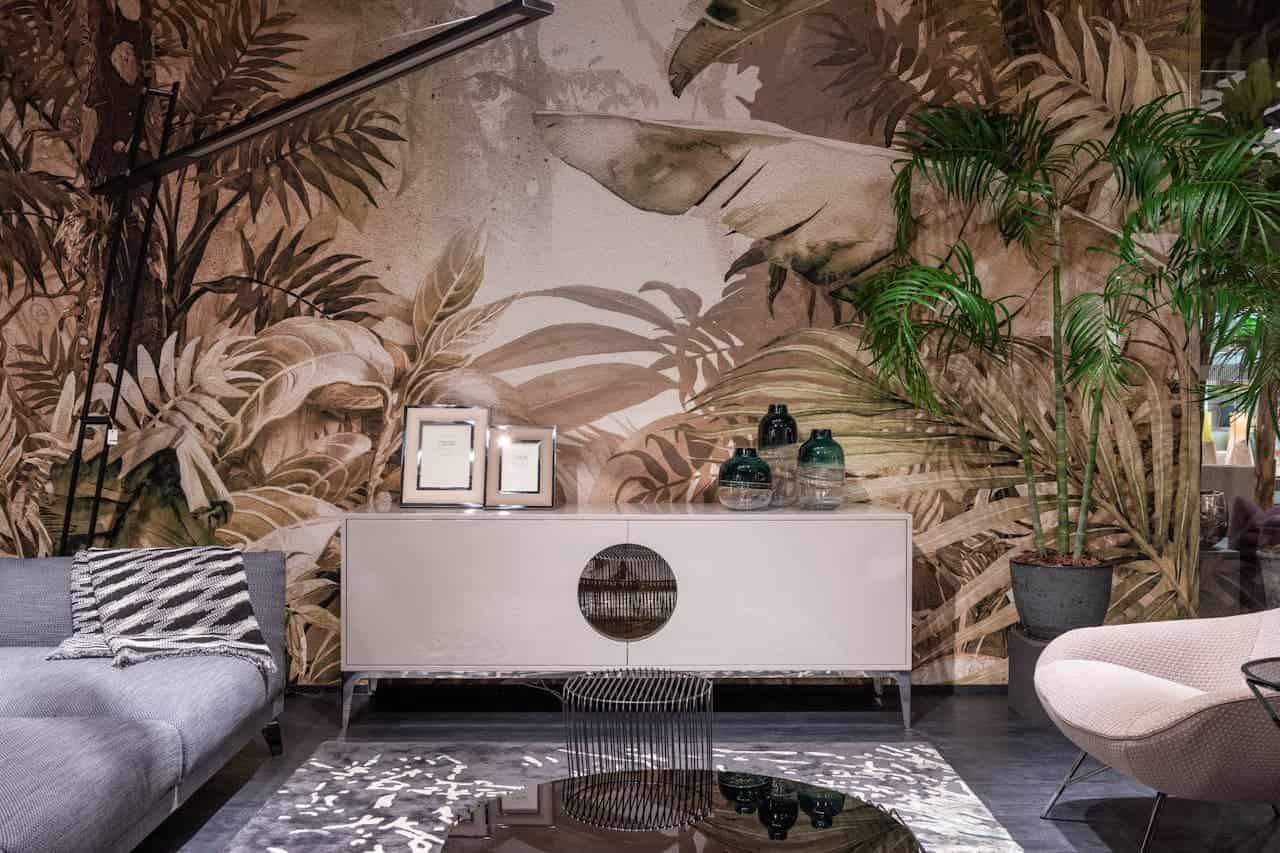
Trends come and go, and while it’s fun to incorporate them into your home decor, overdoing it can lead to wasted money. When a trend goes out of style, you’ll be left with out-of-date decor that you’ll likely want to replace.
To avoid this, focus on buying timeless pieces that will stand the test of time. It’s okay to incorporate trends, but do it in moderation. Consider adding trendy elements through inexpensive, easily replaceable items like throw pillows or wall art. That way, when the trend fades, you can easily update your decor without spending a fortune.
4. Ignoring Scale and Proportion

Ignoring scale and proportion is another common way people waste money on home decor. If you buy a piece of furniture that’s too large for your space, it can make your room feel cramped and uncomfortable. On the other hand, if you buy something too small, it can make your space feel disjointed and unbalanced.
Before making a purchase, always measure your space and consider the size of the other items in your room. This will help you buy items that fit your space perfectly, saving you from costly mistakes.
5. Impulse Buying

Impulse buying is a big problem when it comes to home decor. It’s easy to get caught up in the excitement of a sale or the allure of a trendy new item, but these purchases often lead to wasted money.
Instead of impulse buying, take the time to think about your purchases. Consider whether the item will fit in with the rest of your decor, whether you really need it, and if it’s worth the price. By taking the time to think it over, you can avoid unnecessary spending.
6. Neglecting Maintenance

Neglecting maintenance can lead to more costs down the road. It’s important to take care of your decor items to ensure they last as long as possible.
This means cleaning and maintaining your items regularly. For example, if you have wooden furniture, you should polish it regularly to prevent it from drying out and cracking. Or if you have a rug, you should vacuum it regularly to prevent dirt and dust from building up.
7. Buying Cheap Quality
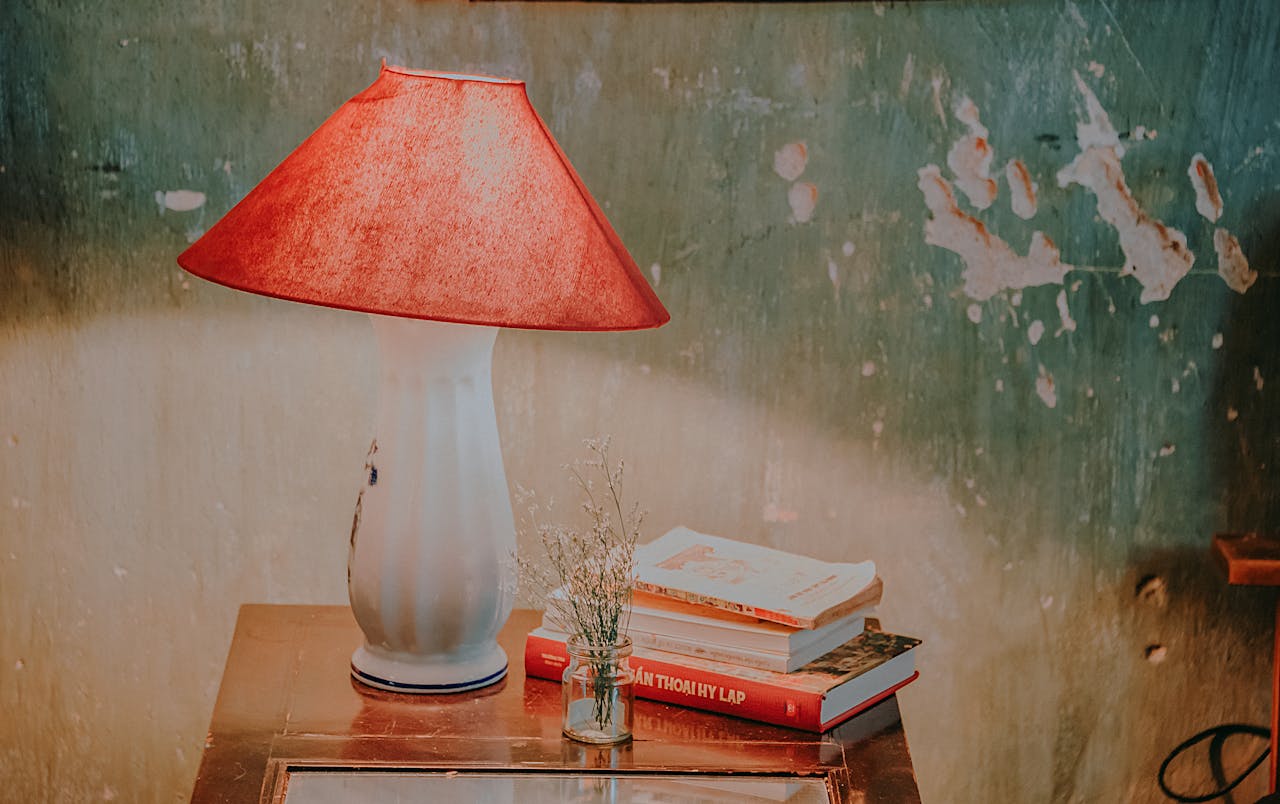
While it’s important to save money, buying cheap quality items can end up costing more in the long run. Cheap items often break or wear out quickly, requiring you to replace them more often.
Instead of buying the cheapest option, consider investing in high-quality items that will last. While it may be more expensive upfront, it will save you money in the long run.
8. Not Having a Plan

Lastly, not having a plan can lead to wasted money. When you buy items without a plan, you can end up with a disjointed, mismatched look.
Before you start buying, take the time to plan out your space. Consider your color scheme, the style you’re going for, and the size of your space. This will help you make coherent, purposeful purchases, saving you from wasting money on items that don’t fit your vision.