


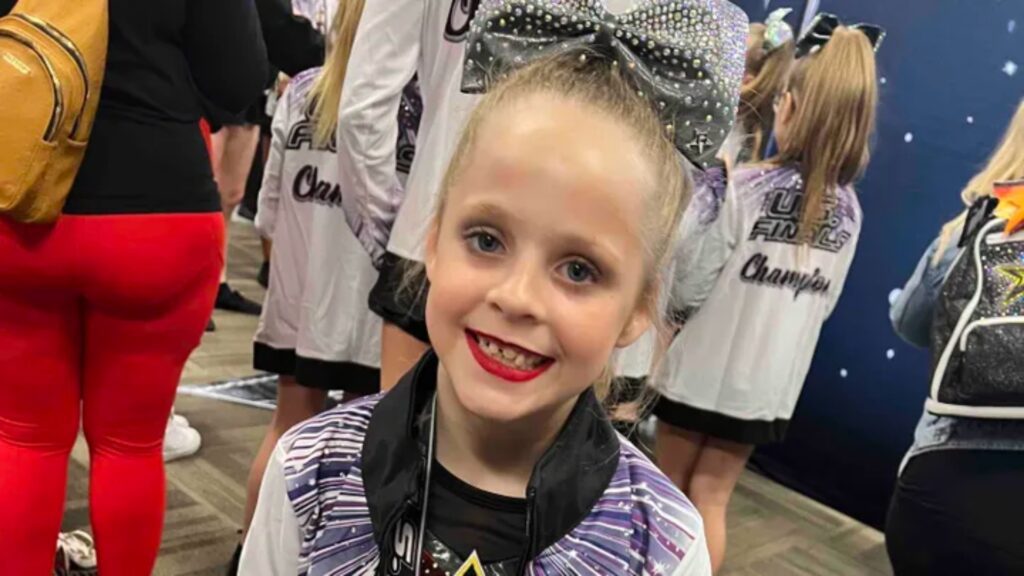
You flip through local posts and feel the sudden weight of a small town’s grief when you learn an 8-year-old collapsed during practice and later died from a brain bleed. The piece below explains what happened to Reese Bryan, why her family says coaches and medical care failed her, and how the community is responding.
You will learn the key facts of the incident, the alleged failures that followed, and why officials and neighbors are demanding answers. Expect clear details about the collapse at practice, the medical timeline, and the lawsuit that followed.
This article traces the event that shocked Omaha, outlines possible underlying causes, and shows how people connected to Reese are reacting and seeking accountability.

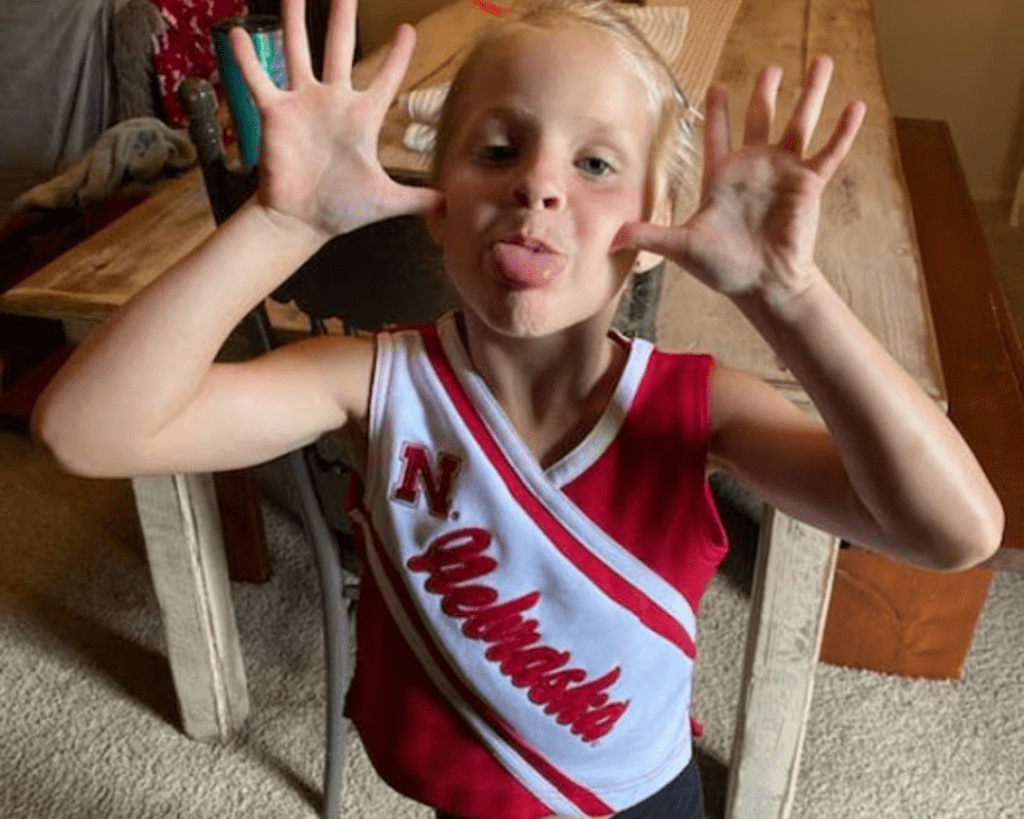
What Happened to Reese Bryan
Reese Bryan was an 8-year-old member of an Omaha cheer team who suddenly collapsed during practice after experiencing troubling symptoms in the weeks before. Her collapse led to a massive brain bleed that put her in the hospital and, weeks later, resulted in her death.
Collapse During Cheer Practice
During a routine practice at Elite Cheer in Omaha, Reese vomited, became unable to stand or walk, and reported not being able to hear. Coaches texted her mother to pick her up; when Amanda Bryan arrived, Reese was in distress and was rushed to the hospital. The family and local reports say staff at the gym moved Reese behind mats and did not immediately call 911; the complaint filed by her parents alleges staff isolated her instead of securing emergency care.
Emergency teams later treated Reese at a local hospital. Doctors determined she had suffered a massive intracranial hemorrhage—bleeding in the brain—which produced rapidly worsening neurological damage. She remained hospitalized for nearly a month before dying on February 23, 2024.
Symptoms Leading Up to the Tragedy
In the weeks before the collapse, Reese showed repeated neurological signs. She had dizziness, vomiting during activity at a competition in Kansas City, and episodes of imbalance and slurred speech. Her parents report that after one episode they took her to the pediatrician, who treated a suspected infection but did not order brain imaging.
The family says Reese also showed asymmetric facial droop and involuntary shaking—symptoms consistent with focal neurological injury. Those specific signs, combined with recurrent vomiting tied to exertion, form the basis of the parents’ later allegations that earlier recognition and imaging could have identified an underlying tumor or other lesion before it bled.
Immediate Response and Medical Timeline
According to the complaint and local coverage, Reese collapsed on January 29, 2024, with acute symptoms: dizziness, inability to walk, and right-sided facial droop. Coaches allegedly concealed her behind mats and did not call emergency services or notify family immediately. Her mother received texts asking her to pick Reese up and then found her child in distress upon arrival.
Reese was transported to the hospital and remained there for almost three weeks while clinicians managed the brain bleed and its complications. Medical teams documented progressive neurological deterioration from the hemorrhage. The parents allege the pediatrician had considered imaging earlier but declined; they claim earlier MRI or CT might have detected a treatable lesion such as a pilocytic astrocytoma before it bled.
Underlying Causes and Community Impact
Reese Bryan’s death involved medical, institutional, and community threads: an undiagnosed brain tumor, disputed decisions by her pediatrician and cheer gym staff, and a local response that quickly moved from shock to action.
Undiagnosed Pilocytic Astrocytoma and Medical Oversight
Parents allege Reese suffered from a pilocytic astrocytoma that went undetected before it bled catastrophically. Pilocytic astrocytoma is typically a slow-growing, often treatable childhood brain tumor; timely imaging like MRI or CT can identify it, and early treatment frequently improves outcomes.
The complaint claims pediatrician Dr. Lars E. Vanderbur considered imaging but did not order it, diagnosing post-infection fatigue instead. Those decisions, if proven, speak to a missed diagnostic window when symptoms such as dizziness, vomiting, facial asymmetry, and nystagmus were present.
Medical records, specialist evaluations, and imaging timelines will be central to any malpractice claim. They determine whether standard pediatric care and neurologic referral guidelines were followed.
Family, Gym, and Pediatrician Roles
Reese’s parents, Tracy and Amanda Bryan, say Elite Cheer staff forced tumbling despite prior vomiting and later concealed her behind mats after she collapsed. The complaint alleges staff failed to call 911 or contact family immediately, leaving Reese isolated while her condition worsened.
The gym’s duty includes recognizing red-flag neurologic signs and activating emergency response protocols. The Bryan family alleges those duties were breached; the case will examine training, written policies, and witness statements from coaches and teammates.
Separately, the pediatrician’s role centers on clinical judgment: whether symptoms warranted neuroimaging or specialist referral. Courts will weigh contemporaneous notes and whether a reasonable clinician would have pursued further testing.
Legacy and Outpouring of Community Support
After Reese’s hospitalization and death, community members organized fundraisers and memorials to support Tracy and Amanda Bryan and their 8-year-old daughter’s medical expenses. Local media coverage and social posts rallied donations and calls for accountability for both the gym and the pediatric practice.
Fundraising efforts aimed to cover funeral costs and ongoing legal expenses while also raising awareness about pediatric neurologic symptoms. The community response has included vigils, online tribute pages, and a coordinated fundraiser to help the family, reflecting widespread concern and efforts to prevent similar tragedies.
Legal filings and public discussion may prompt policy reviews at youth sports facilities and in pediatric practices within the region.
More from Decluttering Mom: