


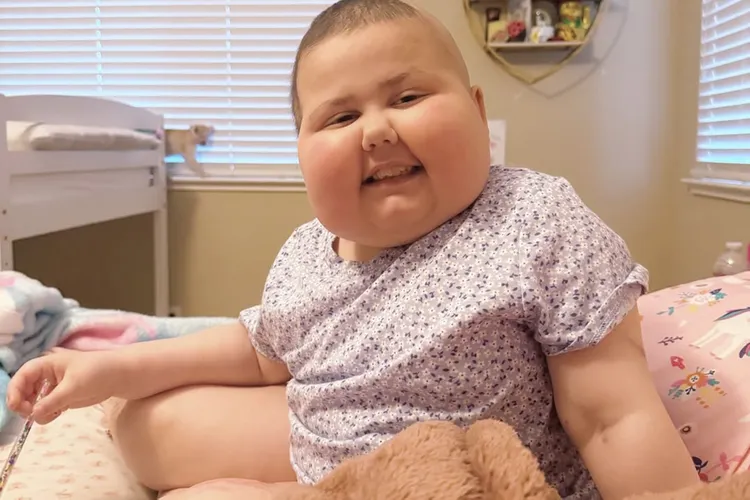
You will feel the weight of a short, difficult story the moment you learn that nine-year-old Charlie Meza — who shared her life and treatments with thousands online — died on Feb. 14 after a six-year battle with medulloblastoma.
Charlie’s mother documented each step, turning private hardship into a public testament that helped millions follow hope, setbacks, and small victories.
The post traces Charlie’s treatment, the experimental options that became a last hope, and the outpouring of support that followed her move into hospice care, showing how one family’s honesty can shape a community’s response.

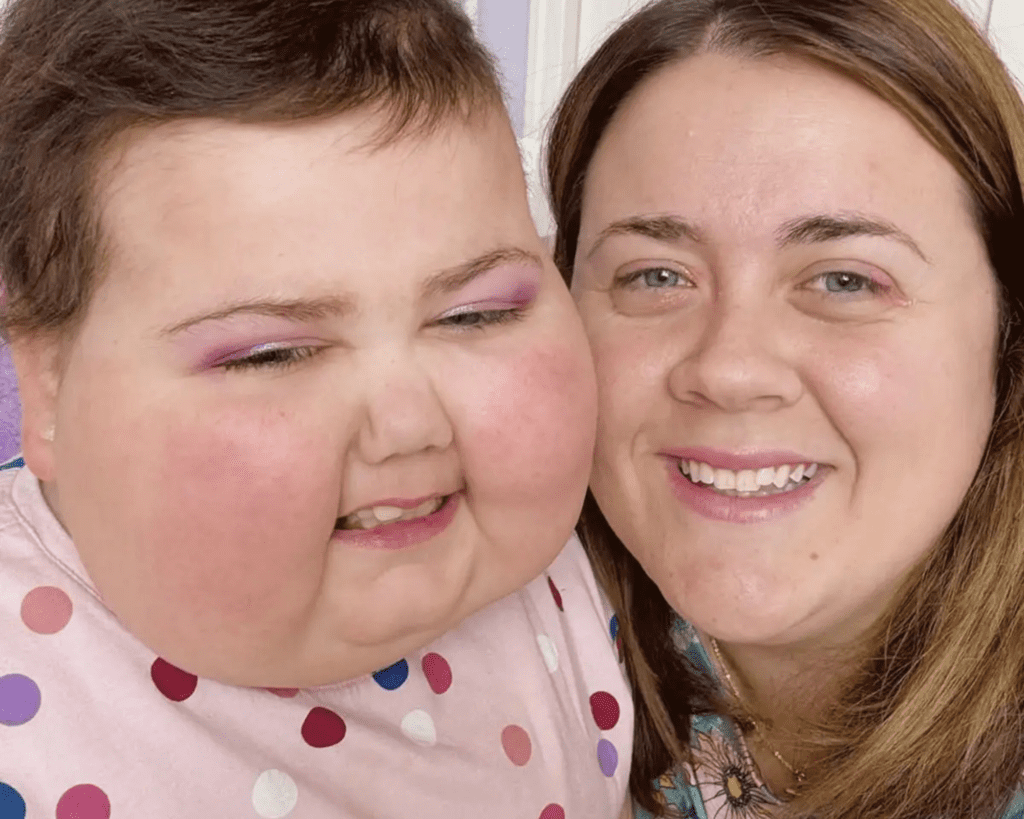
Charlie Meza’s Inspiring Cancer Journey
Charlie Meza’s six-year struggle with an aggressive brain tumor unfolded publicly and touched many people. Her family shared treatments, setbacks, and moments of joy while seeking every possible option.
Diagnosis of Medulloblastoma at Age 3
In 2020, at three years old, Charlie received a diagnosis of medulloblastoma, a fast-growing pediatric brain tumor that often requires surgery, radiation, and chemotherapy. Doctors characterized her disease as aggressive; the family and care team moved quickly to stabilize her and plan treatment.
Early care included surgical interventions to remove tumor tissue and relieve pressure, followed by standard pediatric oncology protocols. Imaging and pathology confirmed medulloblastoma, and her medical record showed rapid follow-up with multidisciplinary specialists. The diagnosis set the course for years of hospital stays, therapies, and close monitoring.
Documenting Life on Instagram as ‘Cheering for Charlie’
Taylor Meza created the Instagram account Cheering for Charlie to share daily updates, treatment milestones, and personal moments. The account grew to over 100,000 followers who tracked surgeries, clinic visits, and Charlie’s small victories like birthdays and playtime.
Posts mixed clinical updates—scan results, treatment decisions—with candid family photos and messages about faith and hope. Followers donated, sent care packages, and supported fundraisers; the online community became an emotional and financial lifeline during prolonged treatment cycles.
Experimental Drug Trial and Treatment Updates
As conventional therapies proved insufficient, Charlie’s care team explored clinical options, including an experimental drug trial described by her family as a “last hope.” In late 2025 they learned clinicians believed the trial was unlikely to halt disease progression, but they pursued it alongside other measures.
Throughout 2025 and into early 2026 the family reported changing regimens, including new steroid treatments to manage symptoms and inflammation. Imaging and symptom trends showed periods of relative stability and times of decline, prompting hospital admissions and intensive symptom management to preserve comfort and function.
Hospice Care and Final Days
In January 2026, as symptoms intensified and hospital stays increased, Charlie entered hospice care at home to focus on comfort rather than curative treatment. The family posted that they were keeping her comfortable “with all hands on deck,” and that hospice allowed them to spend more peaceful time together.
Friends started a GoFundMe to cover funeral and memorial expenses and to support the family; it raised substantial contributions quickly. On February 14, 2026, Charlie died at age nine. Taylor wrote that “She is free” in an Instagram post announcing the loss, and followers responded with condolences and remembrances of Charlie’s courage.
Community Response and Legacy
Friends, fans, and neighbors mobilized quickly, focusing on practical support for the family and honoring the child’s public journey through treatment. Financial help, memorial arrangements, and wide-reaching online tributes became the primary ways people showed care.
GoFundMe Support and Funeral Services
A GoFundMe set up by friends aimed to cover funeral costs, an urn, and short-term family expenses; it had raised a significant amount within days. Donors ranged from local community members to followers who had watched the family’s posts for years, showing how online audiences can convert into immediate financial support.
The campaign description listed specific uses: funeral services, cremation or burial arrangements, travel for relatives, and counseling support for the parents. Organizers provided regular updates on the fundraiser’s progress and spending plans to maintain transparency with contributors.
Local funeral directors worked with the family to plan a service that reflected the child’s personality and the family’s wishes. The family chose options intended to be intimate and accessible to supporters who could not attend in person.
Outpouring of Tributes on Social Media
Instagram and other platforms filled with images and messages from fans, medical staff, and other families who follow pediatric cancer accounts. Followers posted photos of balloons, drawings, and quotes the child used in videos, which created a visual memorial across feeds.
Influencers who had collaborated with the family and childhood cancer advocates shared longer posts describing the child’s resilience and daily joy during treatment. Comments sections became places for people to share memories, light virtual candles, and offer condolences to the family.
Several larger accounts reshared the family’s original posts to amplify funeral details and the GoFundMe link. That resharing helped people who had not followed the child closely learn how to offer support or attend services virtually.
Lasting Impact on Childhood Cancer Awareness
The family’s public documentation of treatments, hospital stays, and experimental drug trials highlighted gaps in pediatric research funding and access to clinical trials. Viewers now cite the child’s account in conversations about the need for more pediatric oncology resources and clearer trial enrollment information.
Charities and local advocates referenced the family’s posts when organizing awareness events and fundraisers, using specific clips and messages to explain medulloblastoma and the realities of long-term pediatric cancer care. That direct linkage helped translate personal storytelling into concrete calls for research donations and policy attention.
The child’s Instagram archive continues to serve as an educational and emotional resource for other families navigating pediatric cancer, offering practical tips from hospital routines to symptom management and fostering a sense of shared community.
More from Decluttering Mom: