Fire risk at home usually brings to mind candles or smoking, but a surprising amount of danger hides in everyday gadgets that sit quietly on the counter. The simplest fix is also the least glamorous: getting in the habit of unplugging a few small appliances every single time they are used. Done consistently, that tiny ritual can cut the odds of an electrical fire, protect expensive gear from power surges, and trim a bit off the energy bill along the way.
Home and fire safety experts keep circling back to the same short list of culprits that are small enough to ignore but powerful enough to cause real damage. Four categories in particular show up again and again in guidance from insurers, safety agencies, and consumer pros, and they all share one thing: they are meant to be used briefly, then fully shut down at the outlet, not left humming in the background.
Why unplugging matters more than most people think
Most people assume that if an appliance is switched off, it is harmless. In reality, many devices keep drawing power as long as they are plugged in, and some stay warm inside even when the exterior feels cool. That constant low-level activity is why home and fire safety experts flag certain gadgets as must-unplug items once the job is done. They warn that internal components can overheat, wiring can fail, and power surges can spark trouble even when no one is in the room.
National fire guidance backs up that mindset, urging people to treat plug-in gear with the same respect they give open flames. Official safety messages stress that major appliances should go straight into wall outlets, not power strips, and that any cord showing damage is a reason to replace the unit entirely. That same logic applies in miniature to smaller devices: if they are not designed to run around the clock, the safest setting is unplugged.
1. Countertop appliances: small size, big heat
On the surface, countertop appliances look harmless, but they pack heating elements and motors into tight, often plastic shells. Toasters, toaster ovens, air fryers, and similar gadgets concentrate intense heat in a small space, which is why fire safety guidance singles out these countertop appliances as items that should not stay plugged in once breakfast is over. The combination of high temperatures, crumbs, and aging wiring is exactly the sort of mix that can smolder into a problem.
Consumer safety lists that focus on the four key appliances to unplug after every use start with these countertop appliances for a reason. They are used in quick bursts, they do not need to stay on standby, and they often sit under cabinets where heat and smoke would be trapped if something went wrong. Unplugging them is a low-effort way to keep that concentrated heat from turning into a late-night kitchen fire.
2. Toasters and toaster ovens: crumb traps that can ignite
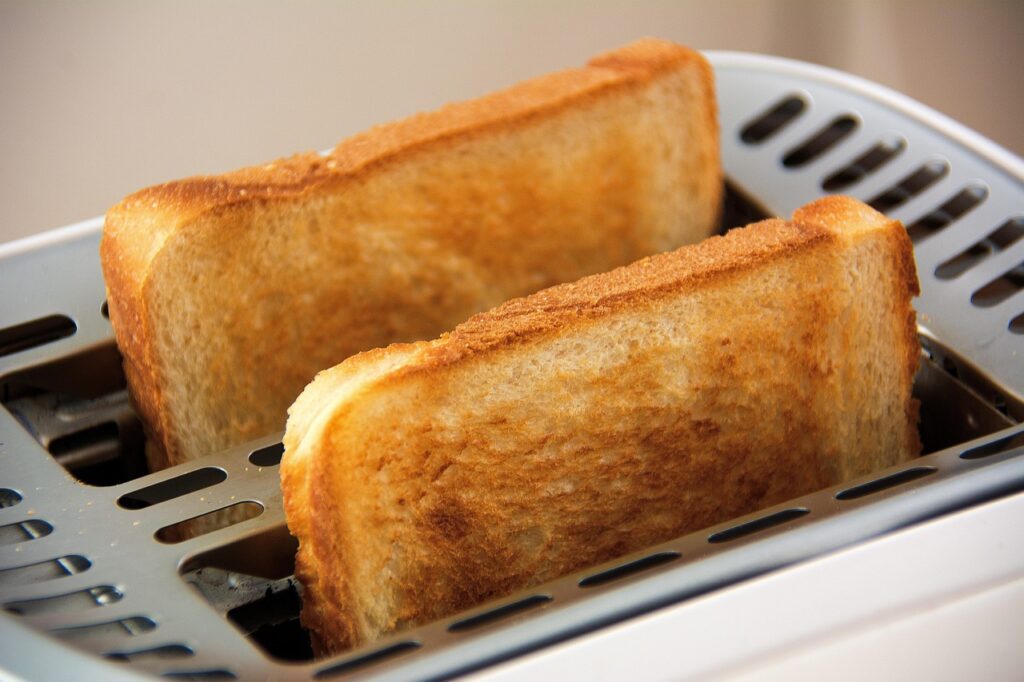
Toasters and toaster ovens deserve their own spotlight because they combine exposed heating coils with a built-in crumb catcher. Over time, dry bread bits and grease collect inside, and those crumbs can catch fire if they land on a glowing element or if a stuck lever keeps the heat running. Insurance guidance on things to keep unplugged when not in use calls out toasters specifically, warning that older models are especially prone to this kind of internal buildup.
Fire departments have also pushed back on the casual idea that a toaster is safe as long as the lever is up. One myth-busting campaign flatly labels it a dangerous toaster myth to say it is fine to leave the appliance plugged in when not in use, urging people to unplug it after every use to prevent accidents, a point shared in a public safety post that begins with the words You never know. Home checklists that spell out appliances to unplug before leaving the house echo that warning, explaining that dry bread crumbs and drips of oil inside Toasters and toaster ovens can ignite if the appliance misfires while no one is watching.
3. Air fryers and compact ovens: powerful coils in tight spaces
Air fryers and small countertop ovens have become weeknight heroes, but they are essentially high-powered space heaters for food. They rely on intense, concentrated heat and a fan to crisp everything from frozen fries to chicken thighs, which is why several safety rundowns group Toasters and Air together as appliances that should be unplugged every time someone leaves the house. The concern is not just the cooking cycle itself, but what happens if a timer sticks or a control board fails and the unit keeps heating long after dinner.
Lists that spell out the appliances to unplug right away repeat that same pairing of Toasters and Air, noting that the same crumbs and grease that build up in a toaster can also collect in a compact oven drawer or under an air fryer basket. When those residues sit right next to a heating coil, a stuck-on preheat cycle or a power surge can be enough to start a fire in a closed appliance that no one realizes is still running.
4. Coffee makers and electric kettles: hot water, hidden risks
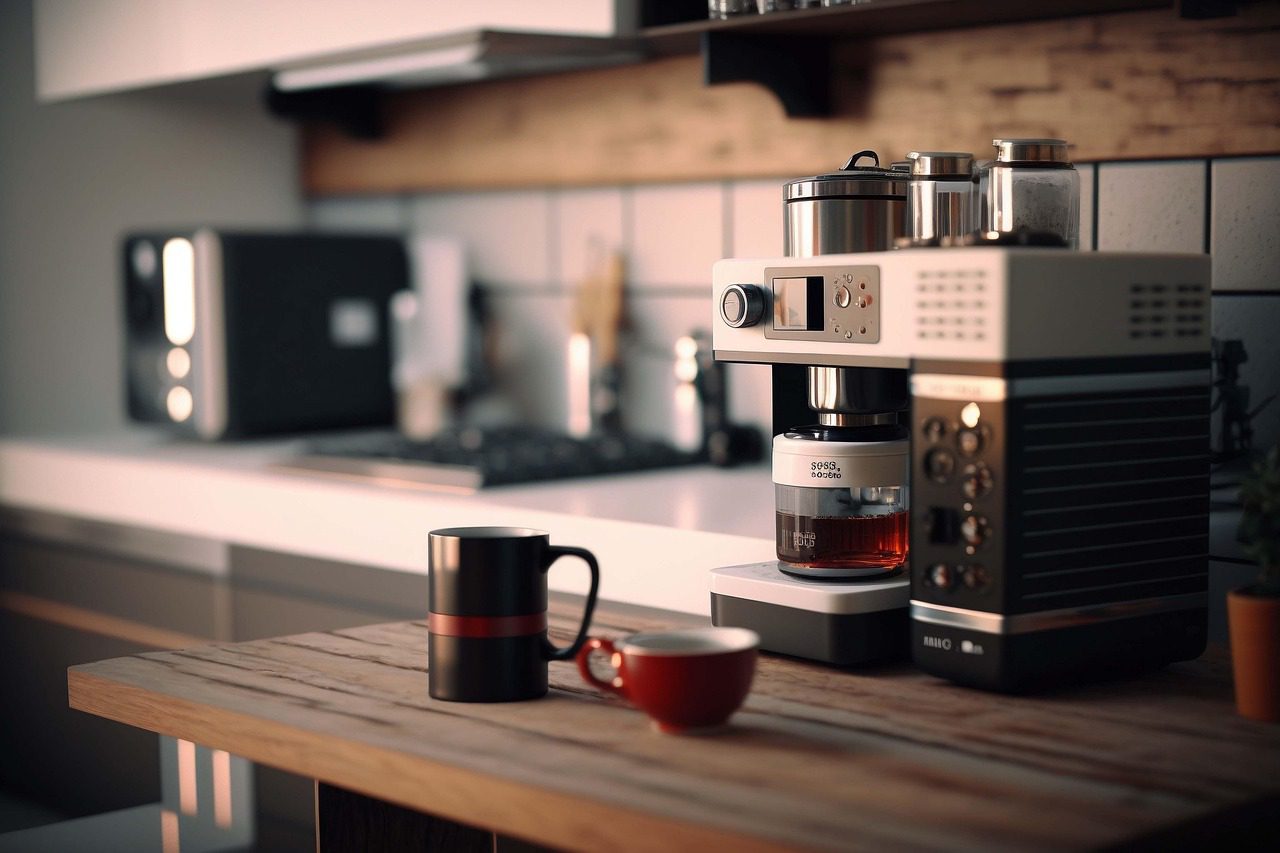
Morning coffee gear feels routine, but it also involves heating water to near boiling and holding it there. Kitchen safety rundowns that focus on unplugging after every use point to Coffee Pots and kettles as classic examples of appliances that can overheat or short out if they are left plugged in indefinitely. Many models include warming plates or keep-warm modes that stay hot long after the last cup is poured, which quietly raises the risk if the unit is forgotten on a cluttered counter.
Broader lists of appliances to unplug every time someone leaves home echo that warning, explaining that Electric Kettles can boil dry or suffer thermostat failures that leave the base scorching hot, potentially leading to a kitchen fire. When that kind of heat is combined with nearby dish towels, paper filters, or wooden cabinets, pulling the plug after each brew is a far safer habit than trusting a tiny switch to behave perfectly for years on end.
5. Beauty tools and bathroom gadgets: high heat near flammable surfaces
The bathroom is another place where small, hot appliances tend to get left plugged in out of convenience. Hair dryers, curling irons, and straighteners are designed to pump out serious heat in a hurry, and safety rundowns of appliances to unplug when not in use point out that these Appliances You Should are not using them can still present a fire hazard even when switched off. A forgotten straightener resting on a vanity or a towel is exactly the kind of scenario that turns a rushed morning into a call to the fire department.
That same guidance notes that bathroom outlets are often near sinks and tubs, which adds an electrical shock risk on top of the fire concern. When a list singles out these tools as items to unplug when Not Using Them, it is a reminder that water, heat, and electricity are a bad trio. Pulling the plug after styling takes a few seconds and removes the chance that a knocked-over iron or a faulty switch will keep heating on a crowded bathroom counter.
6. Space heaters and similar plug-in heaters: obvious risk, easy fix
Space heaters are one of the more visibly risky appliances in any home, and they show up at the top of almost every list of things that should never be left running unattended. Safety rundowns that catalog eight appliances to unplug when not in use start with Space Heaters, pointing out that people already understand why these devices are risky. They can tip over, overheat, or ignite nearby curtains and bedding if they are left running after someone leaves the room.
Because of that, the safest routine is to treat a space heater like a campfire: it should never be left burning without supervision. Lists that group heaters with other appliances you should unplug when You are done using them emphasize that the off switch is not enough. Unplugging ensures that a faulty thermostat or a bumped control knob cannot quietly restart the unit while everyone is asleep or out of the house.
7. What to leave plugged in: the big exceptions
Not every appliance should be unplugged after each use, and trying to do that would be both unrealistic and unsafe. Official fire safety Messages make it clear that major appliances such as refrigerators, stoves, washers, and dryers should always be plugged directly into a wall outlet, not a power strip. These heavy-duty machines are designed for continuous connection, and constantly unplugging them can actually increase wear on cords and outlets.
Insurance guidance on what to keep unplugged when not in use draws a similar line, separating the smaller gadgets that should be disconnected from the big workhorses that are meant to stay powered. In those lists of Things You should unplug, the focus is on portable items with heating elements or electronics that do not need to run 24/7. The takeaway is simple: leave the fridge alone, but get in the habit of unplugging the toaster, kettle, and other small gear that is only used in short bursts.
8. Power surges, lightning, and why unplugging protects your wallet too
Fire risk is the headline concern, but unplugging also protects appliances from the kind of power spikes that can quietly kill them. Insurance advice on keeping certain items unplugged notes that Lightning induced power surges can fry sensitive electronics in an instant. Small kitchen appliances and bathroom gadgets are rarely plugged into surge protectors, so the only foolproof way to shield them from a sudden jolt is to disconnect them entirely.
Kitchen safety rundowns that explain why certain devices should be unplugged after every use underline the same point in plainer language. They note that some kitchen appliances can overheat or even catch fire when left plugged in, even when not in use, and that unplugging is an easy way to avoid both damage and danger, a bottom line summed up in guidance that starts with the phrase The Bottom line. In other words, pulling the plug is not just about avoiding worst case scenarios, it is also about keeping appliances alive longer and sidestepping repair or replacement costs.
9. Making unplugging a daily habit without overthinking it
Turning unplugging into a reflex is easier when it is tied to routines that already exist. Home and fire safety Home and experts suggest doing a quick scan of counters before heading out the door, looking specifically for the four categories that cause the most trouble: countertop appliances, toasters and toaster ovens, coffee gear, and portable heaters or beauty tools. That same sweep can double as a check for candles, which safety rundowns describe as an obvious fire risk that should be fully extinguished once you’re done using them.
Lists that spell out the four appliances you need to unplug after every use frame it as a simple, repeatable move: once the toast pops, the coffee is poured, the hair is dry, or the room is warm enough, the cord comes out of the outlet. That habit lines up with broader advice that highlights Appliances You Need to unplug after every use and with checklists that remind people to unplug certain items before they leave the house. It is not about living in fear of every plug, it is about knowing which four types of appliances are most likely to cause trouble and making sure they are fully off, at the outlet, when no one is around to catch a spark.
More from Decluttering Mom: