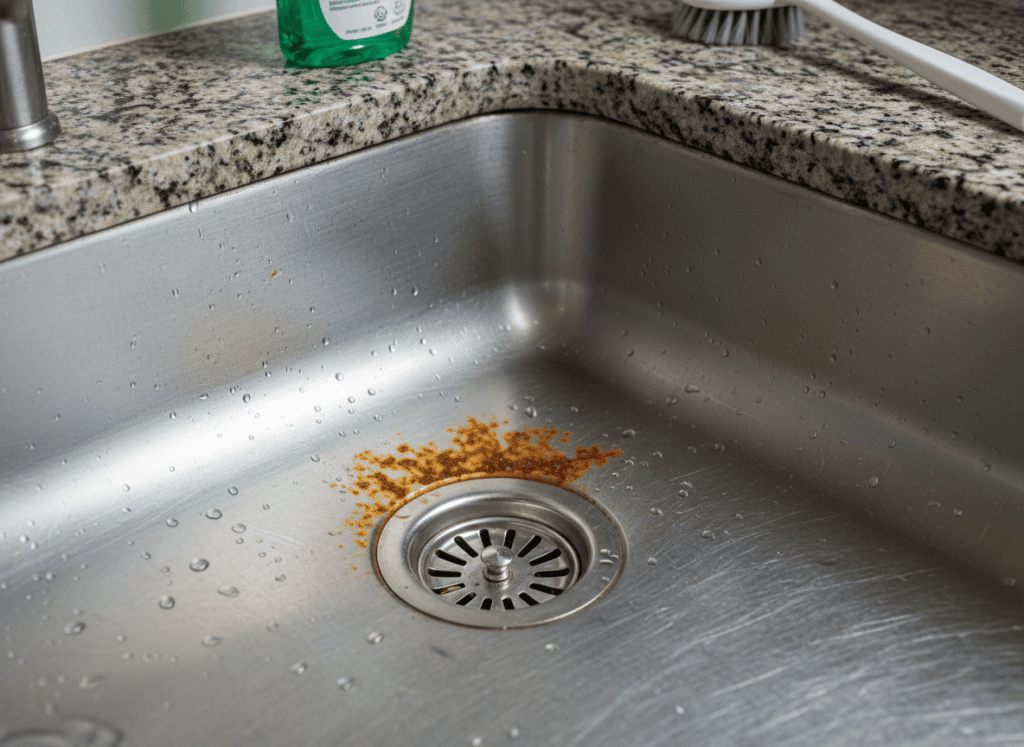
Cleaning hacks are everywhere—social media, Pinterest, and even old family traditions. But not all of them actually make your home cleaner. In fact, some so-called “brilliant” cleaning tricks spread dirt, leave behind residue, or even damage your home over time. Instead of making your house sparkle, these common cleaning mistakes can make things worse.
Before you reach for that bottle of vinegar or your old go-to sponge, check out these 9 cleaning hacks that actually make your home dirtier—and what to do instead!
1. Using Vinegar on Everything

Vinegar is praised as a miracle cleaner, but it’s too harsh for some surfaces. Its acidity can dull finishes, eat away at sealants, and even corrode metals over time.
Why it’s a bad idea:
- On stone countertops (granite, marble, quartz): Vinegar breaks down the protective seal, leading to dullness and stains.
- On hardwood floors: The acidity can strip away the protective finish, making the wood vulnerable to moisture damage.
- On electronics or screens: Vinegar can degrade protective coatings, causing cloudiness and streaks.
What to do instead:
- Use a pH-neutral stone cleaner for granite and marble.
- Stick to mild dish soap and water for hardwood floors.
- Clean screens with a microfiber cloth and screen-safe cleaner.
2. Spraying Cleaner Directly on Surfaces

Many people spray furniture, glass, or appliances directly with cleaner, thinking it will make cleaning easier. But this often leads to buildup, streaks, and even long-term damage.
Why it’s a bad idea:
- Glass and mirrors: Excess cleaner causes streaks and leaves behind hazy residue.
- Wood furniture: Spraying directly soaks into the grain, which can warp and stain the wood.
- Electronics: Liquid can seep into crevices, leading to internal damage.
What to do instead:
- Spray onto a microfiber cloth first, then wipe surfaces.
- For mirrors and glass, use a light mist and wipe in circular motions to prevent streaking.
3. Cleaning with a Dirty Sponge

Your sponge might look clean, but it’s likely a breeding ground for bacteria. If you’re using the same sponge for weeks, you’re spreading germs instead of cleaning.
Why it’s a bad idea:
- Sponges absorb bacteria from raw food, dirty dishes, and countertops.
- A damp sponge promotes mold growth, leading to musty smells and unsanitary surfaces.
- Reusing a dirty sponge on multiple surfaces spreads bacteria around your home.
What to do instead:
- Replace sponges every 1–2 weeks or sanitize them daily by microwaving them damp for one minute.
- Use disinfecting dishcloths that can be washed regularly.
- Consider switching to silicone scrubbers, which don’t harbor bacteria as easily.
4. Using Paper Towels for Everything

Paper towels are convenient, but they leave lint behind, create waste, and don’t always clean surfaces effectively.
Why it’s a bad idea:
- Glass and mirrors: Paper towels leave streaks and lint behind.
- Disinfecting surfaces: Paper towels spread cleaner unevenly, leading to ineffective disinfection.
- Wasting money: A reusable microfiber cloth does the same job without waste.
What to do instead:
- Use microfiber cloths for cleaning—they pick up dust and grime more effectively.
- If using paper towels, choose lint-free varieties for windows and mirrors.
5. Scrubbing Carpet Stains Instead of Blotting

When something spills on your carpet, your first instinct might be to scrub it hard—but this only pushes the stain deeper into the fibers.
Why it’s a bad idea:
- Scrubbing spreads the stain, making it larger and harder to remove.
- It damages carpet fibers, leading to worn patches and discoloration.
- Too much moisture can soak into the padding, causing mold and mildew growth.
What to do instead:
- Blot with a clean cloth, working from the outside in.
- Use a gentle carpet cleaner and let it sit before blotting again.
- For tough stains, use a carpet cleaning machine or professional steam cleaner.
6. Mixing Cleaning Products for Extra Strength

Some people mix bleach and vinegar, ammonia and bleach, or baking soda and vinegar thinking it will create a stronger cleaner. But this can cause toxic chemical reactions that are harmful to your health.
Why it’s a bad idea:
- Bleach + vinegar = chlorine gas, which can cause breathing problems.
- Ammonia + bleach = toxic chloramine vapors, leading to lung irritation.
- Baking soda + vinegar = ineffective because they neutralize each other.
What to do instead:
- Use one cleaning product at a time and never mix chemicals unless directed.
- Read product labels for warnings about incompatible mixtures.
7. Using Fabric Softener on Towels

Fabric softener makes clothes feel soft, but using it on towels can actually make them less absorbent.
Why it’s a bad idea:
- Fabric softeners coat the fibers, preventing towels from soaking up water properly.
- Over time, they leave behind a waxy residue, making towels stiff and ineffective.
What to do instead:
- Wash towels with white vinegar instead of fabric softener to keep them fluffy.
- Use dryer balls to soften towels naturally.
8. Forgetting to Clean the Vacuum Filter

Vacuuming is supposed to remove dirt, but if the filter is clogged, you’re just blowing dust and allergens back into the air.
Why it’s a bad idea:
- A dirty vacuum filter reduces suction power, making it less effective.
- It spreads dust and allergens instead of trapping them.
What to do instead:
- Clean the vacuum filter every month or as recommended by the manufacturer.
- Empty the dustbin after every use to maintain airflow.
9. Using Bleach to Clean Everything

Bleach is a strong disinfectant, but using it too often or on the wrong surfaces can cause damage and health risks.
Why it’s a bad idea:
- Bleach doesn’t remove dirt—it only disinfects, leaving grime behind.
- Using it on wood, stone, or metal can cause corrosion, fading, and structural damage.
- Overuse can create toxic fumes, especially in poorly ventilated areas.
What to do instead:
- Use bleach only when necessary (like for sanitizing toilets or mold removal).
- For everyday cleaning, opt for mild dish soap and warm water.