



In today’s fast-paced real estate market, sellers are often under pressure to close deals quickly. However, it’s easy to make mistakes that can sabotage a speedy home sale. These errors can cost you both time and money, extending the selling process and possibly reducing the final sale price.
In this article, we’ll uncover the top nine mistakes that can derail a quick home sale, as identified by experienced realtors. From mispricing your home to ignoring crucial repairs, these pitfalls can turn potential buyers away. By avoiding these mistakes, you can ensure a smoother, quicker sale and get the best possible price for your home.
Setting an Unrealistic Price

The asking price of your home is one of the first things potential buyers notice. If it’s too high, you’re likely to scare off many buyers before they even step foot in your home. Realtors emphasize the importance of setting a realistic price based on comparable homes in your area and current market conditions. Overpricing your home not only discourages potential buyers but can also result in a longer time on the market, which may eventually require you to drop the price.
On the other hand, underpricing your home can also have negative effects. While it may attract more buyers, it could result in you getting less than your home is worth. Therefore, it’s crucial to work with a knowledgeable realtor who can help you determine the right price for your home.
Ignoring Necessary Repairs
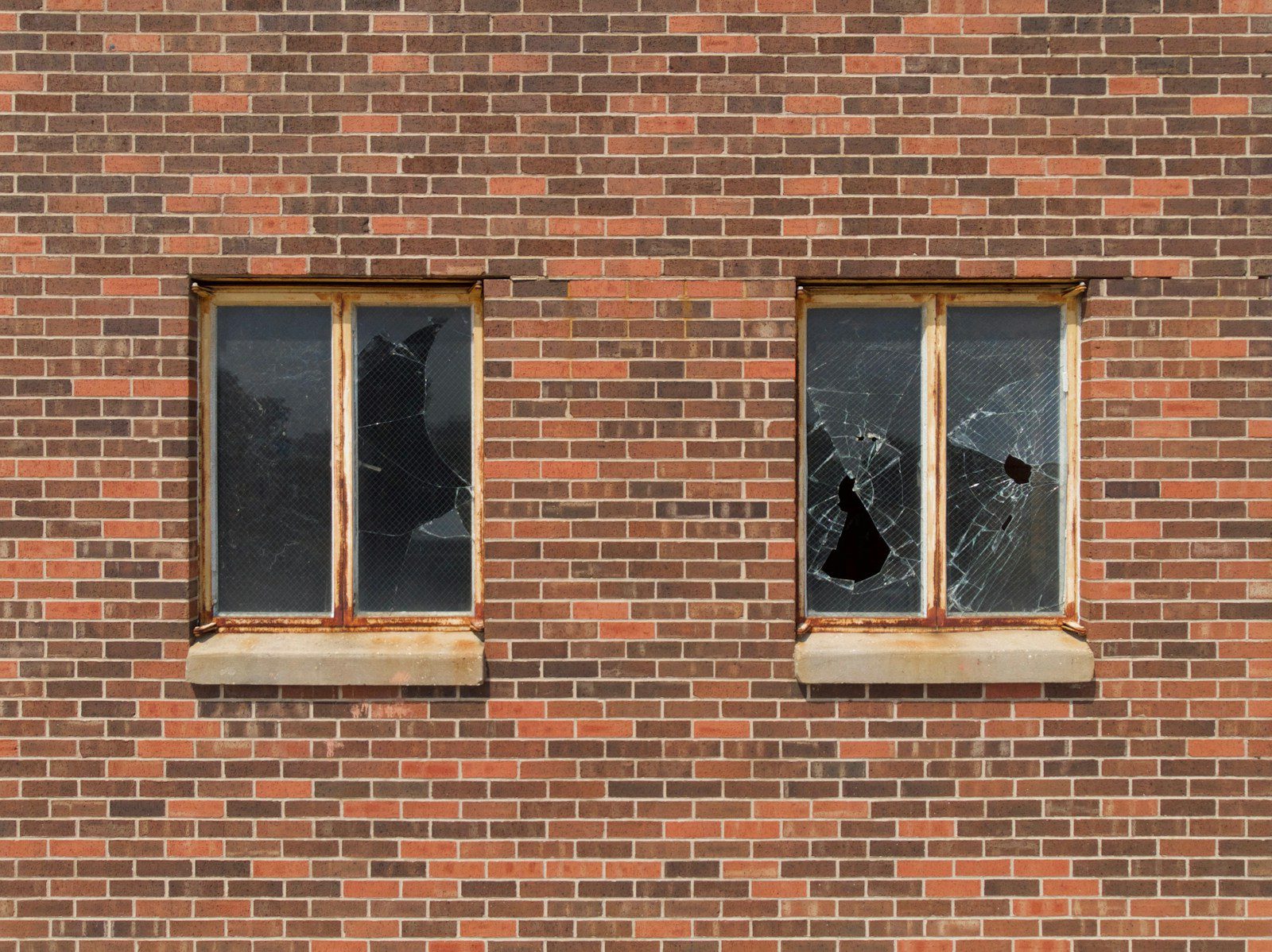
While you might be tempted to sell your home as is to save time and money, ignoring necessary repairs can be a major turnoff for potential buyers. Even minor issues like a leaking faucet or a broken window can give the impression that the home hasn’t been well-maintained. In many cases, buyers will request a home inspection before purchasing. If the inspector finds numerous issues, the buyer may request repairs or a lower price, or even back out of the deal.
Therefore, it’s a good idea to fix any known issues before listing your home. If there are significant problems that you’re unable or unwilling to address, be prepared to disclose them to potential buyers and possibly adjust your asking price accordingly.
Not Properly Staging the Home

First impressions matter when selling a home. If buyers walk into a cluttered, poorly lit, or outdated home, it’s hard for them to envision themselves living there. Staging your home effectively can make it more appealing to buyers and help them imagine what it would be like to live there. This includes decluttering, cleaning, painting, and rearranging furniture to highlight your home’s best features.
Realtors often advise sellers to depersonalize their homes before showing them. This means removing personal items and photos that might make it harder for buyers to picture themselves in the home. If you’re unsure about how to stage your home effectively, consider hiring a professional home stager. They have the expertise to make your home look its best and appeal to a broad range of buyers.
Not Marketing the Home Effectively
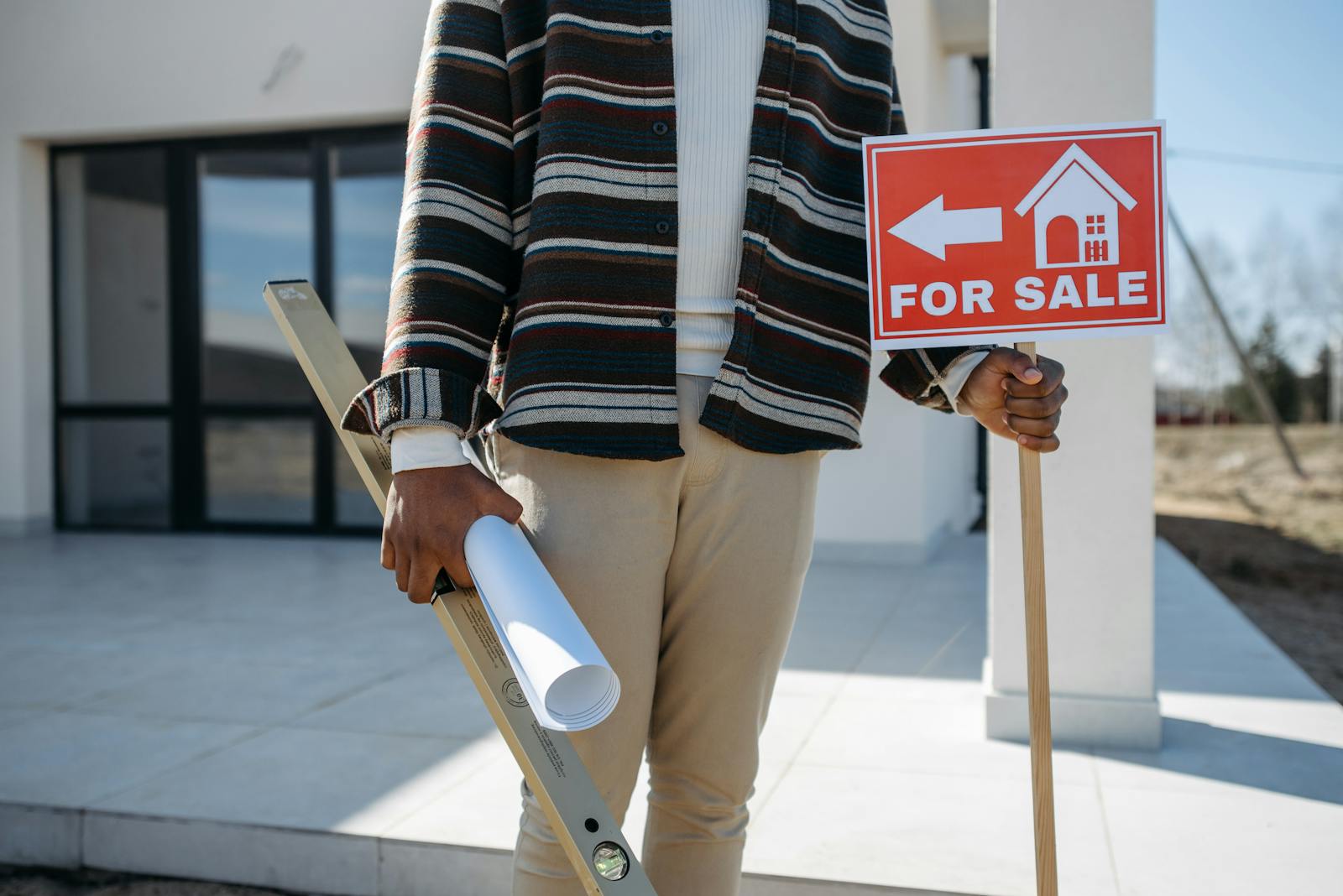
In today’s digital age, effective marketing is crucial for selling a home quickly. This includes high-quality photos, a compelling description of the property, and posting the listing on popular real estate websites. Many buyers start their home search online, so it’s important to make sure your home stands out in online listings.
However, don’t neglect traditional marketing methods. Open houses, yard signs, and word-of-mouth referrals can also be effective ways to attract potential buyers. A good realtor will have a comprehensive marketing plan that includes both online and offline strategies to get your home in front of as many potential buyers as possible.
Being Unavailable for Showings

When you’re trying to sell your home quickly, being flexible and available for showings is crucial. If potential buyers have to work around your schedule, or if they can’t see your home at a convenient time, they might move on to the next listing. While it can be inconvenient to have your home ready to show at a moment’s notice, it’s a necessary part of the selling process.
Consider using a lockbox or allowing your realtor to show the home when you’re not available. If you have pets or small children, have a plan for keeping the home clean and ready for showings at all times. The more flexible and accommodating you can be, the more likely you are to get your home sold quickly.
Not Negotiating Effectively


Selling a home is a complex process that often involves negotiation. If you’re unwilling to negotiate on the price or terms of the sale, you risk losing potential buyers. While you don’t want to accept less than your home is worth, it’s important to be reasonable and open to negotiation.
For example, if a buyer requests certain repairs after a home inspection, consider whether it’s worth losing the sale over these issues. In some cases, it might be more beneficial to make the repairs or offer a credit for the buyer to make the repairs themselves. A skilled realtor can guide you through the negotiation process and help you make decisions that are in your best interest.
Not Disclosing Known Issues
When selling a home, honesty is the best policy. It’s important to disclose any known issues with the property to potential buyers. This includes things like past water damage, structural issues, or a history of pest infestations. Not only is this the ethical thing to do, but in many places, it’s also required by law.
Failing to disclose known issues can lead to legal trouble down the line. If a buyer discovers a major issue after the sale that you knew about and didn’t disclose, they might have grounds for a lawsuit. Being upfront about any problems with the property can help prevent these issues and ensure a smoother sale.
Choosing the Wrong Realtor


The realtor you choose to work with can have a significant impact on the speed and success of your home sale. An experienced realtor will know the local market, have a strong network of potential buyers, and be able to guide you through the selling process. On the other hand, choosing the wrong realtor can lead to a longer time on the market, a lower sale price, and a more stressful selling process.
When choosing a realtor, it’s important to do your research. Look for a realtor with a strong track record of successful sales in your area. Ask for references and take the time to interview several potential candidates before making your decision.
Not Being Prepared for Closing

Once you accept an offer on your home, the closing process begins. This involves a series of steps that must be completed before the sale can be finalized, including a title search, a home inspection, and securing financing. If you’re not prepared for this process, it can lead to delays and complications.
To ensure a smooth closing, stay organized and proactive. Keep all necessary documents in order and be ready to respond quickly to requests from the buyer, their lender, or the title company. Your realtor should be able to guide you through this process and help you avoid any potential roadblocks.