Hidden cameras in hotel rooms are not just an urban myth, and travel safety guides now routinely warn you to scan specific fixtures the moment you arrive. One widely cited checklist even names smoke detectors as one of seven places to check for hidden cameras in a room. If you know the most common hiding spots, you can quickly sweep your space and protect your privacy without resorting to extreme measures.
1) Smoke Detectors, often overlooked on ceilings due to their innocuous placement allowing wide-angle surveillance.
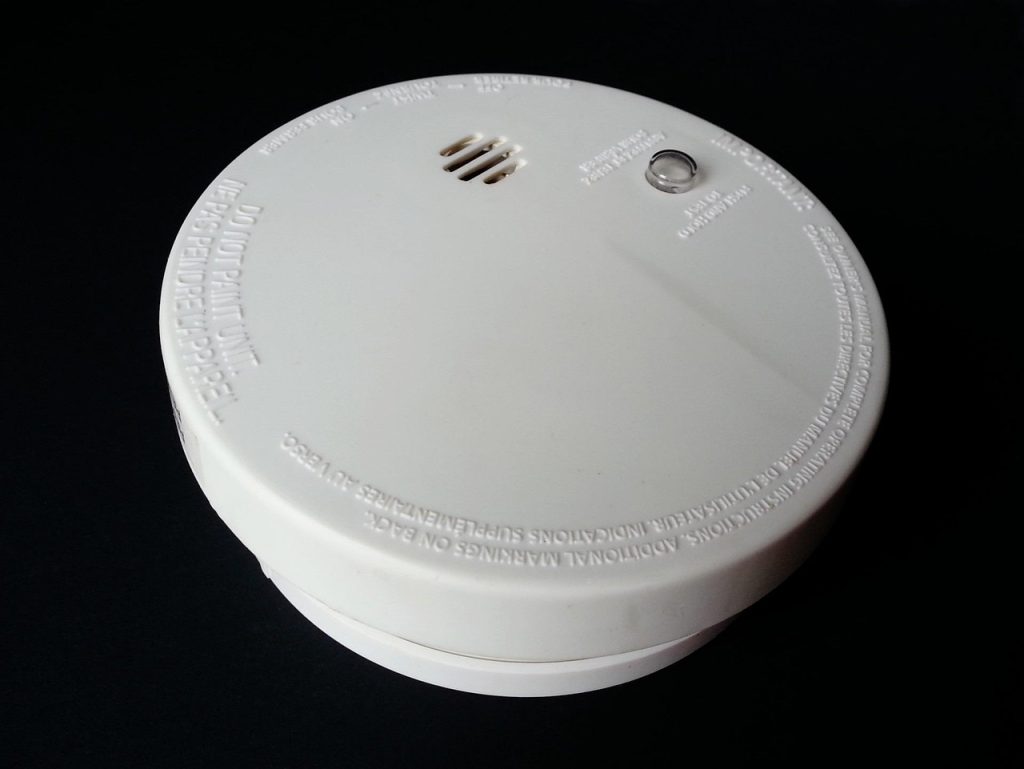
Smoke detectors are prime hiding places because they sit high on the wall or ceiling, giving a clear, wide-angle view of the bed and entryway. Travel safety advice explicitly lists smoke detectors among the seven spots you should inspect for hidden cameras in a hotel room. Some devices labeled as Smoke Detectors Above the Bed are actually camera housings, designed to mimic standard alarms while hiding a lens and memory card inside.
When you arrive, stand on a stable surface and look closely at any detector facing the bed or bathroom door. You are checking for off-center holes, extra dark circles, or plastic that looks newer than the rest of the ceiling. If anything seems tampered with, you can request a room change or ask staff to remove the unit so you can see whether it is a legitimate Alarm or a disguised camera.
2) Clock Radios, frequently positioned on bedside tables for capturing intimate room activities.
Clock radios on nightstands are another classic hiding spot because they sit at eye level with the bed and are rarely unplugged. Guides on sneaky inspection points highlight clock radios as devices you should always examine when you enter a hotel room. Spy cams can be built into the display, behind tinted plastic, or inside the speaker grille, where a tiny pinhole lens is almost impossible to notice at a glance.
You can start by lifting the clock and shining your phone flashlight across the front panel from different angles. Look for a small, perfectly round dark spot that does not match the rest of the design. If the clock seems unusually heavy, has an unexplained cable, or keeps working when you unplug it, that is a red flag. Because these gadgets sit so close to where you sleep, any hidden camera here poses a serious risk to your most private moments.
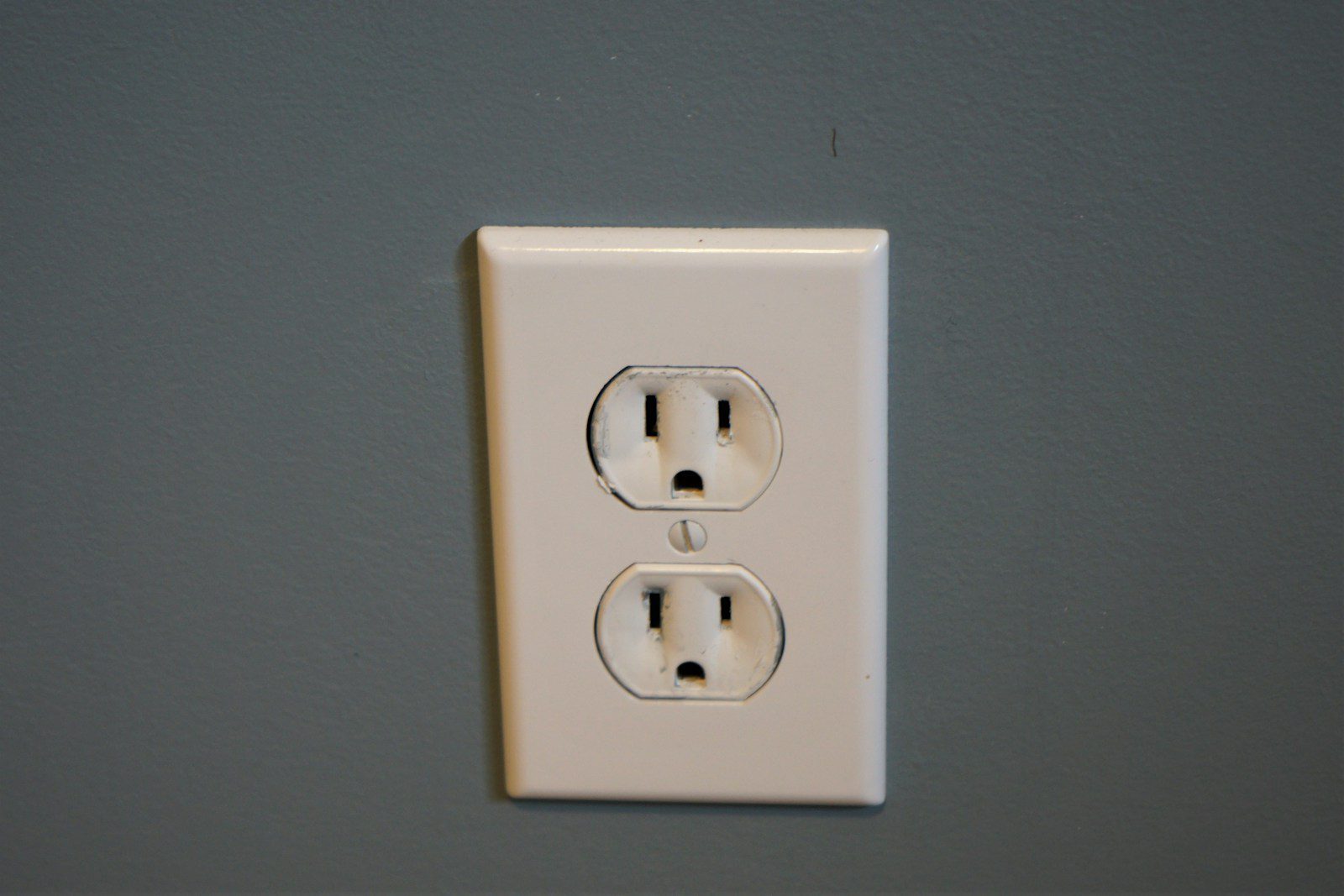
3) Electrical Outlets, disguised within walls to blend seamlessly with room wiring.
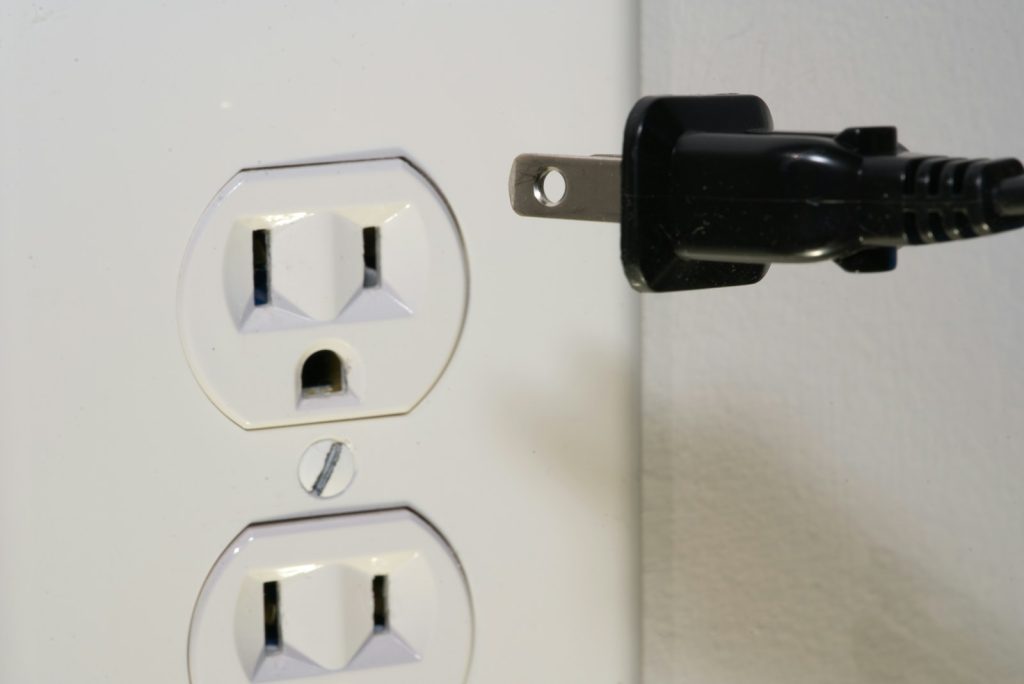
Electrical outlets and plug panels are increasingly used to hide cameras because they blend into the room’s infrastructure. Privacy checklists for hotel rooms and Airbnbs specifically call out electrical outlets as one of the key things you should inspect. Some devices marketed as Electrical Outlets and Power Strips actually contain full HD cameras, Wi-Fi modules, and storage, all behind what looks like a standard faceplate.
When you scan the room, pay attention to outlets that seem oddly placed, such as a socket high on a wall pointing at the bed or bathroom door. You can gently touch the plate to see if it feels loose or misaligned and use your phone’s flashlight to check for tiny holes that are not part of the normal socket design. Because outlets are expected to be everywhere, they give someone a way to monitor you while staying almost invisible.
4) Wall-Mounted Decorations, such as picture frames that conceal lenses behind artwork.
Wall-mounted decorations, especially picture frames and decorative panels, are another subtle way to hide surveillance. Lists of common hiding spots for hotel cameras specifically mention wall-mounted decorations as items you should not ignore. A camera can sit behind a small hole in the artwork, or be tucked into the frame edge, giving a clear view of the bed or desk while looking like generic hotel art.
To check, stand off to the side and look along the surface of the frame for any circular openings or glossy dots that do not match the print. Lightly tap the frame to see if it sounds hollow or unusually thick, which can indicate extra electronics. Because these decorations are often placed at head height, they can capture detailed footage of your face and activities if a lens is hidden inside.
5) Lampshades, where fabric or fixtures obscure tiny cameras aimed at seating areas.
Lampshades and lamp bases are attractive to someone installing a hidden camera because they already contain wiring and sit close to beds, sofas, and desks. Privacy protection advice on hotel and rental stays notes that lampshades are frequent locations for covert devices. A small lens can be mounted just under the shade rim or inside the base, using the light to mask any reflections from the camera glass.
When you arrive, switch on each lamp and then look up into the shade from below, checking for any dark circles or modules that are not part of the bulb or socket. You can also gently rotate the shade to see if anything is taped or clipped to the frame. Because lamps are often positioned to illuminate where you sit or sleep, a hidden camera here can quietly record long stretches of your stay.
6) Bathroom Mirrors, potentially two-way or edged with hidden devices for private monitoring.
Bathroom mirrors are especially sensitive because they reflect you when you are most exposed. Travel safety guidance on hidden cameras warns that mirrors in bathrooms can conceal spy devices. Separate advice on two-way glass explains that Homeowners sometimes hide security cameras or even a safe behind such mirrors, showing how easily reflective surfaces can double as surveillance points.
You can run a fingertip along the mirror edge to feel for gaps where a camera could sit, and shine your phone light at close range to spot any unusual dark dots. Some travelers also use the “nail test,” checking whether your fingernail touches its reflection directly, although that method is not foolproof. Because bathrooms are legally and ethically sensitive spaces, any suspicion of a camera here should prompt you to document what you see and contact hotel management immediately.
7) TV Frames, integrated into entertainment units for broad room coverage.
TV frames and related accessories, such as remotes, are increasingly cited as inspection points in hotel rooms. Guides on sneaky hiding places urge you to look closely at TV frames or remotes because they face the bed and seating area. A lens can be tucked into the bezel, disguised as an infrared receiver, or hidden behind a small hole in a soundbar or set-top box.
To check, move your head side to side while watching the TV frame under a flashlight, looking for a tiny glassy circle that does not match the rest of the plastic. Inspect the remote for extra openings or components that do not align with the buttons. Since you naturally point the remote at yourself and the screen, a camera in this setup can quietly capture both your face and the rest of the room.
8) Air Conditioning Vents, using grilles to hide cameras in airflow paths.
Air conditioning vents and return grilles are another subtle location because they already have slats and holes that can hide a lens. Safety advice on rental inspections lists air conditioning vents among the common places to look for hidden cameras. A device can be mounted just behind the grille, using the vent’s height and angle to cover the entire room.
When you scan the room, look for vents that seem to point directly at the bed or bathroom door rather than following the usual airflow pattern. You can shine a strong light through the slats to see if any circular shapes or circuit boards appear behind them. Because vents are rarely touched by guests, someone could install a camera here expecting it to remain undisturbed for long periods.
9) Overhead Fixtures Above Beds, targeting sleeping areas as noted in traveler safety anecdotes.
Overhead fixtures above beds, including decorative panels and small ceiling lights, are increasingly mentioned in traveler accounts of hidden cameras. One report on Hotel Rooms Where Spying Cameras Are Often Found describes a guest so worried about surveillance that she built a tent over her bed. Separate coverage of Hidden Spots also highlights Smoke Detectors Above the Bed as a specific risk, underscoring how often ceilings are used.
Instead of resorting to extreme measures, you can simply lie on the bed and look up, checking every fixture that has a direct line of sight to where you sleep. Use your phone flashlight to inspect for tiny dark circles or unusual plastic inserts. Because these fixtures are perfectly placed to monitor you overnight, a quick ceiling scan is one of the most important steps in any room sweep.
More from Decluttering Mom: