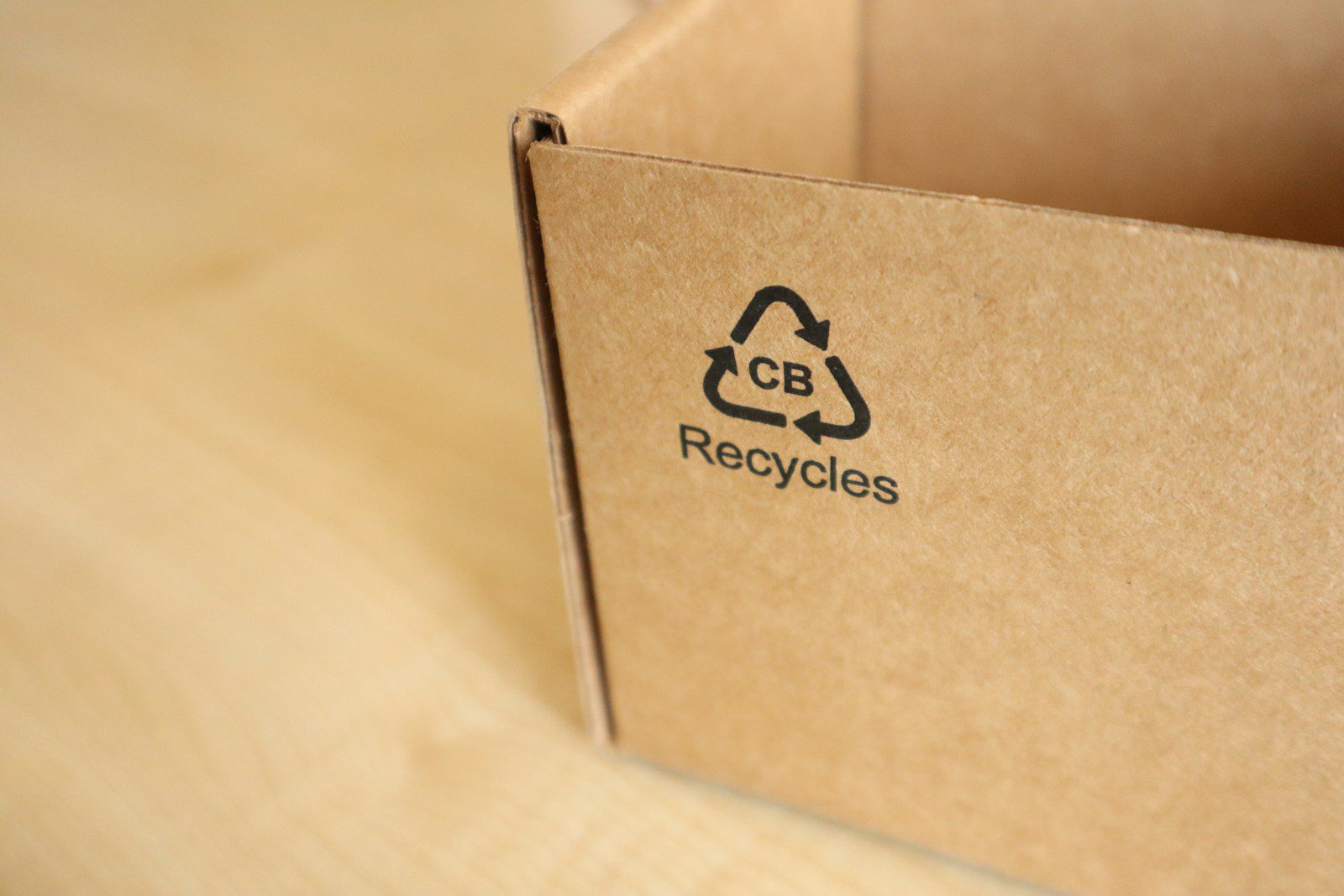
Recycling is something many of us try to do right, but it can get tricky without realizing it. I’ve learned that even small mistakes in recycling habits can cause bigger problems than we expect.
Some of these mistakes can actually lead to fines, which is something nobody wants. Understanding these common errors helps me avoid those costs and recycle more effectively. It’s easier than you might think once you know what to watch out for.

Not following local recycling mandates
I’ve learned that recycling rules can vary a lot depending on where I live. Each city or town often has specific mandates about what can and can’t be recycled.
Ignoring these local rules can actually lead to fines. I found out that many places enforce penalties to encourage proper recycling habits.
To avoid this, I always check my town’s official recycling guidelines. It helps me stay compliant and keep my community clean without risking a fine.
If I’m ever unsure, I reach out to my local waste management— they’re usually happy to help clarify what’s allowed. This makes recycling easier and stress-free for me.
Can You Get Fined for Not Recycling? – LegalClarity
Mixing non-recyclable plastic bags with curbside materials
I used to toss plastic bags into my curbside recycling bin, thinking it was no big deal. But I learned they actually cause major problems by getting tangled in the sorting machines. This can slow down the entire recycling process and even damage equipment.
Plastic bags and film need to be taken to special drop-off points, often at grocery stores. If we keep mixing these with curbside materials, it can lead to contamination and even fines.
Now, I always separate plastic bags and find local recycling programs that accept them properly. It’s a simple step that makes a big difference for recycling efficiency. For more details, check out this guide on plastic bag recycling.
Putting food waste in regular recycling bins
I used to toss food scraps into my recycling bin without thinking. But food waste can ruin entire batches of recyclables by contaminating them. I learned that even small amounts of leftover food cause problems during recycling.
Keeping food out means rinsing containers before recycling. This simple step helps reduce contamination and keeps the recycling process efficient.
If you put food waste in the wrong bin, you might face fines in some areas. Following local rules has made me a better recycler and keeps my community cleaner. For tips on avoiding common recycling mistakes, check this guide on common recycling errors.
Including small items like bottle caps or straws
I’ve learned that tossing small items like bottle caps or plastic straws into recycling bins can cause problems. These tiny pieces often fall through the sorting machines and end up contaminating other materials.
This contamination can lead to more waste and sometimes even fines if the recycling gets rejected. So, I always check my local recycling rules before putting these small items in the bin.
Some places ask you to keep bottle caps on bottles or throw straws in the trash. It pays off to be careful—small actions like this help keep recycling effective for everyone.
For more details, see common issues with small recyclables.
Contaminating bins with broken glass
I’ve learned that putting broken glass in recycling bins is a big no-no. It can hurt the workers who handle the recyclables and even damage the machines.
Broken glass also contaminates other materials, making the whole batch harder to recycle. Instead, I make sure to wrap broken glass carefully and check if my local waste service has special disposal options.
Avoiding this mistake helps keep everyone safe and improves how well my recycling efforts work. For more details, you can see this guide on common recycling mistakes.
‘Wishcycling’—throwing everything in hoping it’s recyclable
I’ve definitely been guilty of wishcycling—tossing items into the recycling bin just hoping they’ll get recycled. It feels good to think I’m helping, but not everything actually belongs there.
When non-recyclable things sneak in, they can mess up the whole recycling process. It can slow down sorting and even ruin batches of recyclables.
I’ve learned it’s better to check what’s actually accepted before recycling. Avoid wishcycling to keep the system working smoothly and avoid potential fines. You can read more about why this matters at the World Economic Forum’s article on wishcycling.
Failing to separate organics as required in some cities
I’ve learned that many cities now require separating organic waste like food scraps and yard debris from regular trash. It’s not just about being eco-friendly—some places, like New York City, actually fine you if you don’t separate organics properly.
At first, I found it confusing to keep track of what goes where. But once I got the hang of it, it became a simple habit. Following these rules helps reduce landfill waste and avoid fines, which is a win-win.
If you want to know more about local organic waste rules, you can check out details about NYC’s organics separation requirements.
Ignoring specific municipal recycling rules
I used to think recycling was the same everywhere. But I quickly learned every city has its own rules. Some plastics, for example, aren’t accepted in my town’s recycling bin.
Not following these local guidelines can lead to contamination. That means perfectly good recyclables might get thrown away instead. Sometimes, ignoring these rules can even result in fines.
I found it helps to check my city’s recycling website or ask local waste services what’s allowed. This small step makes a big difference and keeps me from accidentally breaking the rules. For more tips on common recycling errors, see this list of recycling mistakes everyone makes.
Improper disposal of hazardous materials
I’ve learned that throwing hazardous materials in regular recycling or trash bins can cause serious problems. These items need special handling because they can harm the environment or even lead to fines.
For example, dumping chemicals or batteries without following proper rules may contaminate soil and water. I always make sure to check local guidelines before disposing of anything hazardous.
Proper disposal protects both people and the planet. It’s worth taking a little extra time to get it right. You can find more details on hazardous waste handling at this hazardous waste disposal guide.