

Open your refrigerator and you probably see a system. Milk in the door, eggs in the little tray, meat wherever it fit. It looks tidy, and it feels logical. But food safety guidance and appliance experts say a few common habits can make food spoil faster, strain the machine or put your family at risk.

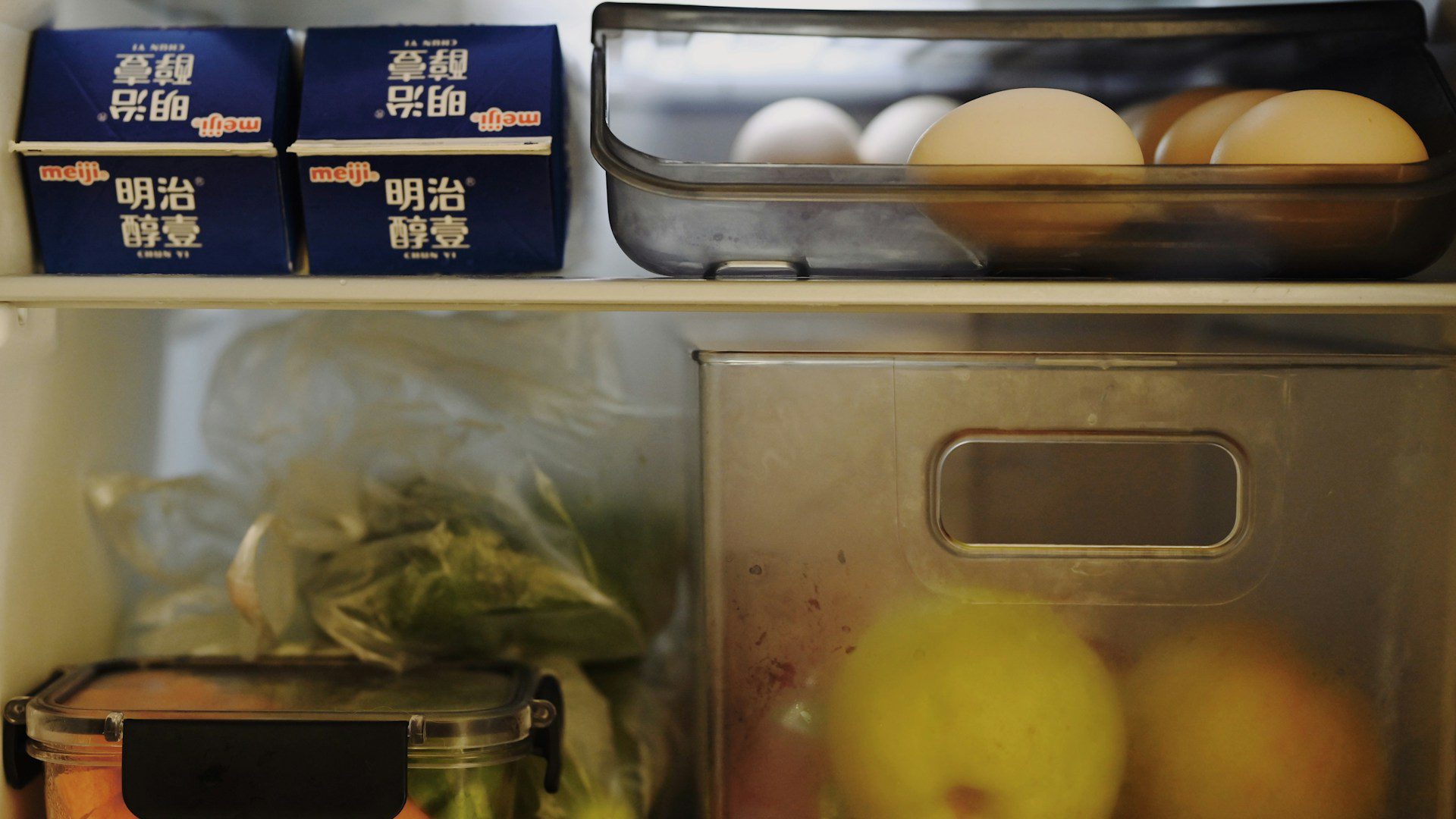
The advice below draws on AARP (originally published in 2021 and updated in 2022), Tom’s Guide (August 2025), Homes & Gardens (December 2025) and the federal site FoodSafety.gov. Together they point to nine common mistakes.
1. Raw Meat On The Top Shelf Can Drip Onto Food That Is Eaten Raw
AARP (2022) says to store foods that need lower cooking temperatures on top, and foods that need higher cooking temperatures, especially poultry, on the bottom shelf. If something leaks, it will not contaminate food that might not be heated enough to kill germs. The advice comes from the food safety training company StateFoodSafety.
The USDA’s minimum safe cooking temperatures are 165°F for poultry and 145°F for seafood, and AARP says leftovers and casseroles should also reach 165°F, so they belong on the bottom shelf too.
2. Eggs And Milk In The Door Face The Biggest Temperature Swings
Door shelves fluctuate in temperature more than interior shelves, AARP (2022) notes, and the USDA recommends keeping the door closed as much as possible. Tom’s Guide (2025) calls the door the warmest part of the fridge, at about 41 to 44°F, and says milk belongs at the back of a shelf instead.
Homes & Gardens (2025) quotes food blogger Jecca Chantilly: “Milk, eggs, and other dairy products are incredibly sensitive to even minor temperature fluctuations.” The door is best kept for condiments, jars, canned drinks and juices.
3. The Crisper Drawers Are Not Both The Same
AARP (2022), citing appliance makers KitchenAid and General Electric, explains that crisper drawers are built with different humidity levels. Thin-skinned produce belongs in the higher-humidity drawer, while fruits and vegetables that release ethylene gas as they ripen belong in the low-humidity drawer.
The high-humidity list includes asparagus, broccoli, carrots, celery, leafy greens and tomatoes. The low-humidity list includes apples, avocados, grapes, melons, mushrooms, pears and strawberries.
4. Waiting For Hot Food To Cool Gives Germs A Head Start
Many of us wait for the pot to cool on the counter before putting leftovers away. AARP (2022), citing the FDA, says hot food will not harm the refrigerator, so you do not need to wait, and large amounts should be divided into shallow containers to cool faster.
The reason is the “danger zone.” Foodborne germs can multiply rapidly between 40°F and 140°F, according to the USDA. The FDA recommends keeping the fridge at 40°F or below, which matches the FoodSafety.gov chart.
5. Packing Everything In Blocks The Cold Air
Per the FDA, cold air must circulate around food to keep it chilled. AARP (2022) advises against tightly stacking containers and says to keep vents unobstructed.
Ian Palmer-Smith of appliance repair company Domestic & General told Tom’s Guide (2025) that a fridge “shouldn’t be treated like a cupboard.” Packing it tightly forces it to work harder and can overwork the fan and compressor, which “ultimately leads to inflated energy usage and energy bills.”
6. Apples, Bananas And Pears Can Speed Up Spoilage Next Door
Tom’s Guide (2025) says apples, bananas and pears release ethylene gas, which speeds spoilage of nearby produce, so they should be separated from sensitive items. Crisper drawers help maintain humidity for produce.
If your lettuce wilts early, check what it shares a drawer with.
7. A Blocked Drainage Channel Lets Water Pool Inside
Spills from foods such as potato salad, uncovered lettuce and chicken wings can enter the drainage channel and cause damage over time, according to Tom’s Guide (2025). Palmer-Smith explains that when the channel is blocked, water pools at the bottom of the fridge instead of evaporating through heat from the compressor.
The prevention is to cover and secure foods, clean the fridge regularly, check that the channel is clear and avoid placing food across it.
8. Heavy Jars Overloading The Door Shelves Can Keep The Door From Closing Tight
Palmer-Smith warns that heavy glass jars and bottles can stress the door and cause it to misalign or swing open. A door that does not close properly lets warm air in.
He suggests checking the door seals with the paper test, to see if cold air escapes.
9. Leftovers In The Door Spoil Faster
Homes & Gardens (2025) gathered chefs and organizers in “10 Things You Should Never Store in a Refrigerator Door.” Chantilly says “the rising and falling temperatures in the door can cause cooked meals, ready-to-eat dishes, and leftovers to spoil more quickly.”
The article suggests the top shelf instead.
A Quick Fridge Reset
You can fix most of this in an afternoon. Set the fridge to 40°F or below and use a thermometer to check it. Move raw meat to a sealed container on the bottom shelf, and shift milk and eggs inward.
- Check that the drainage channel is clear and vents are not blocked.
- Split hot leftovers into shallow containers and refrigerate promptly.
- Give produce the right drawer and keep ethylene producers apart.
The USDA FoodKeeper app, recommended by AARP and Tom’s Guide, covers storage for hundreds of foods and drinks. A few small changes keep food fresher and your fridge working easier.
More Stories You May Like
- Secondhand Clothing Is Growing Nearly Four Times Faster Than Regular Clothing Retail, And Nearly Half Of Shoppers Now Find Used Items On Social Media
- Three Decluttering Mistakes Are Quietly Costing You Money, From Buying Duplicates To Paying Storage Unit Fees To Organizers That Add More Clutter
- Best By Is Not A Safety Date So You May Be Tossing Perfectly Good Food, Except Infant Formula Which Is The One Date You Should Never Ignore