As a homeowner, your basement can often feel like the best place to store all your odds and ends. However, in my experience, that’s not always the case. There’s a certain wisdom in knowing what you should and shouldn’t store down there. In fact, storing the wrong items in your basement can lead to damaged goods and wasted money.
So, I’ve put together a list of the top 9 things I’ve learned to keep out of the basement, and the reasons why these items are better stored elsewhere.
1. Important Documents

Storing important documents in the basement is a common practice, but it’s not necessarily the smartest one. Basements are prone to dampness and flooding, which can easily ruin papers and leave your important documents unreadable. Besides, in case of an emergency, it might be difficult to retrieve them quickly.
Consider investing in a fireproof and waterproof safe for your most important paperwork. This includes birth certificates, social security cards, passports, and legal documents. Not only will this protect your documents from damage, but it also keeps them readily accessible when you need them.
2. Photographs and Artwork
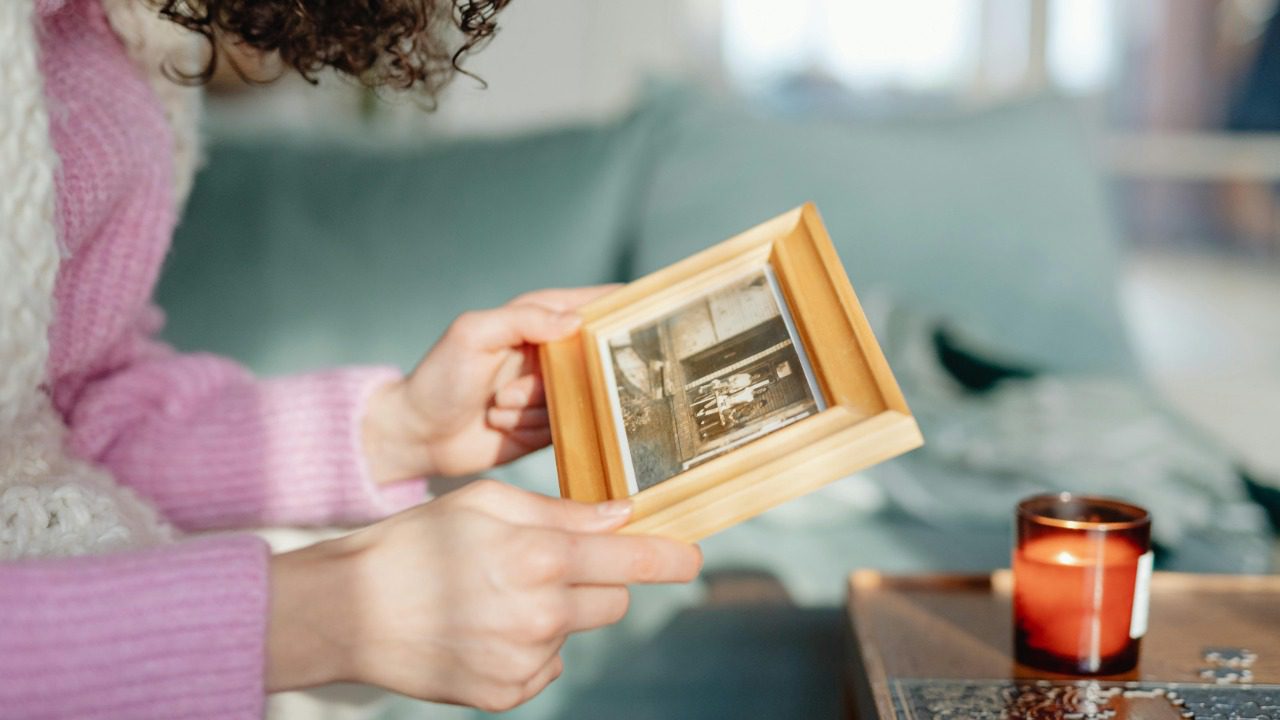
Just like important documents, photographs and artwork are also susceptible to moisture damage. Basements often have higher levels of humidity which can lead to mould growth and ruin your precious memories and artwork.
Instead of risking damage to these irreplaceable items, consider storing them in an environment with controlled temperature and humidity, such as an upstairs closet. Digitalizing your photos is another great way to ensure their longevity, even if the originals become damaged.
3. Electronics

Electronics and appliances do not fare well in damp environments. The moisture in basements can cause corrosion, damage circuit boards, and lead to electrical problems.
If you have no other option but to store electronics in the basement, make sure they are well-protected. Use airtight storage bins and consider using a dehumidifier to reduce moisture. Also, placing electronics on shelves, rather than directly on the floor, can help protect them from potential flooding.
4. Food

Even canned food isn’t safe in the basement. The humidity can cause cans to rust and the temperature fluctuations can degrade food quality.
Instead, store canned goods in a cool, dry place like a pantry. Foods stored under the right conditions will maintain their quality for longer and you’ll avoid the risk of eating spoiled food.
5. Wine

You might think the basement is the perfect place for your wine collection, but it’s not always suitable. While wine does need to be stored in a cool place, it also needs a stable temperature, something basements often lack.
Invest in a wine cooler or find a spot in your home where the temperature is consistently cool and doesn’t fluctuate much. This will help maintain the quality and taste of your wine.
6. Wooden Furniture
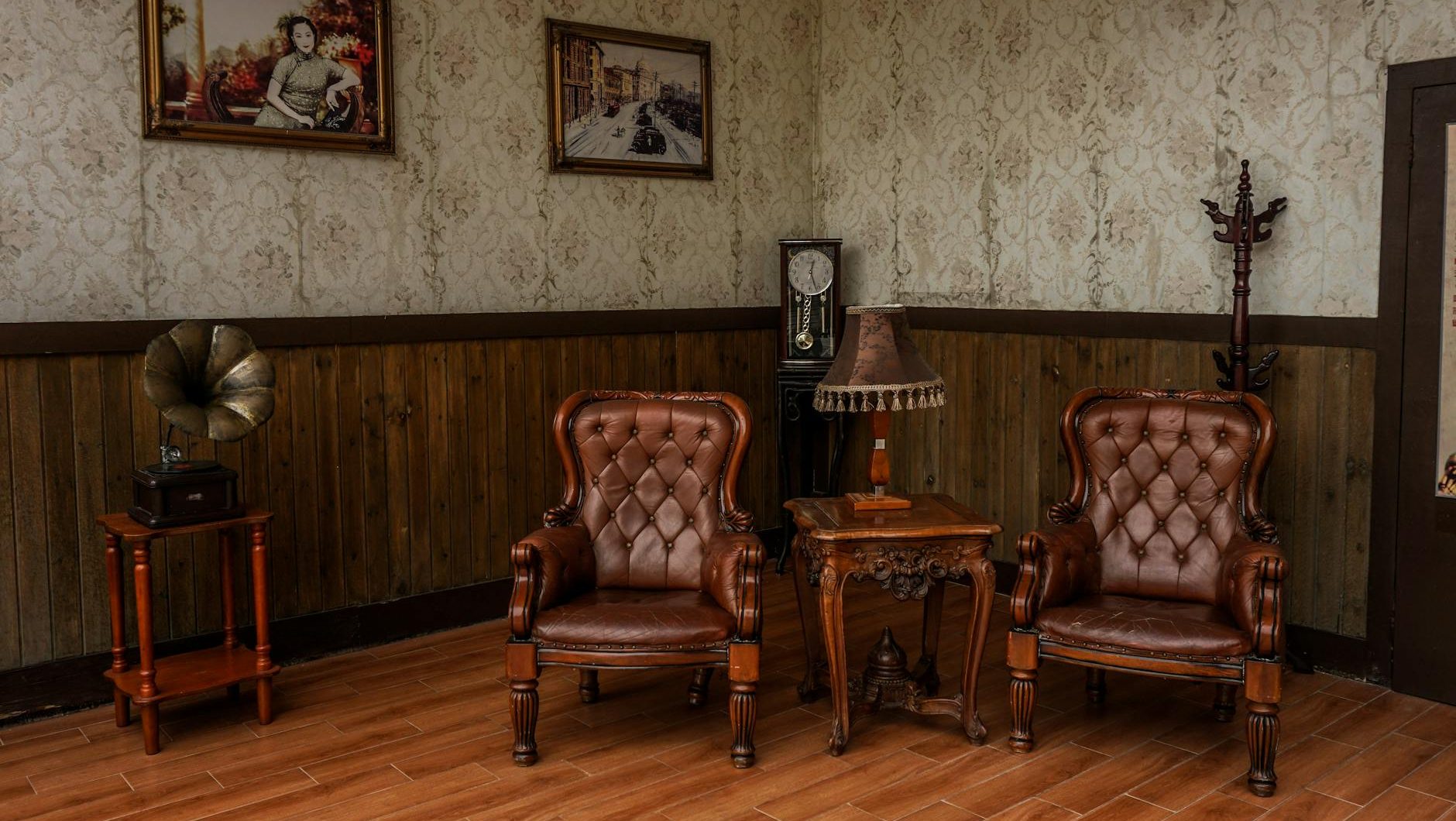
Wooden furniture can easily warp and crack in the damp, varying temperatures of a basement.
If you have antique or valuable wooden furniture, it would be best to keep it upstairs in a controlled environment. For less valuable pieces, consider sealing the wood to protect it from moisture damage.
7. Paint

Paint can be ruined by extreme temperature fluctuations, which are common in basements. If the paint freezes and then thaws, it can separate and become unusable.
If you need to store paint, an insulated garage or a utility room in your house would be a better choice. Remember to tightly seal the paint cans to prevent them from drying out.
8. Clothing and Bedding
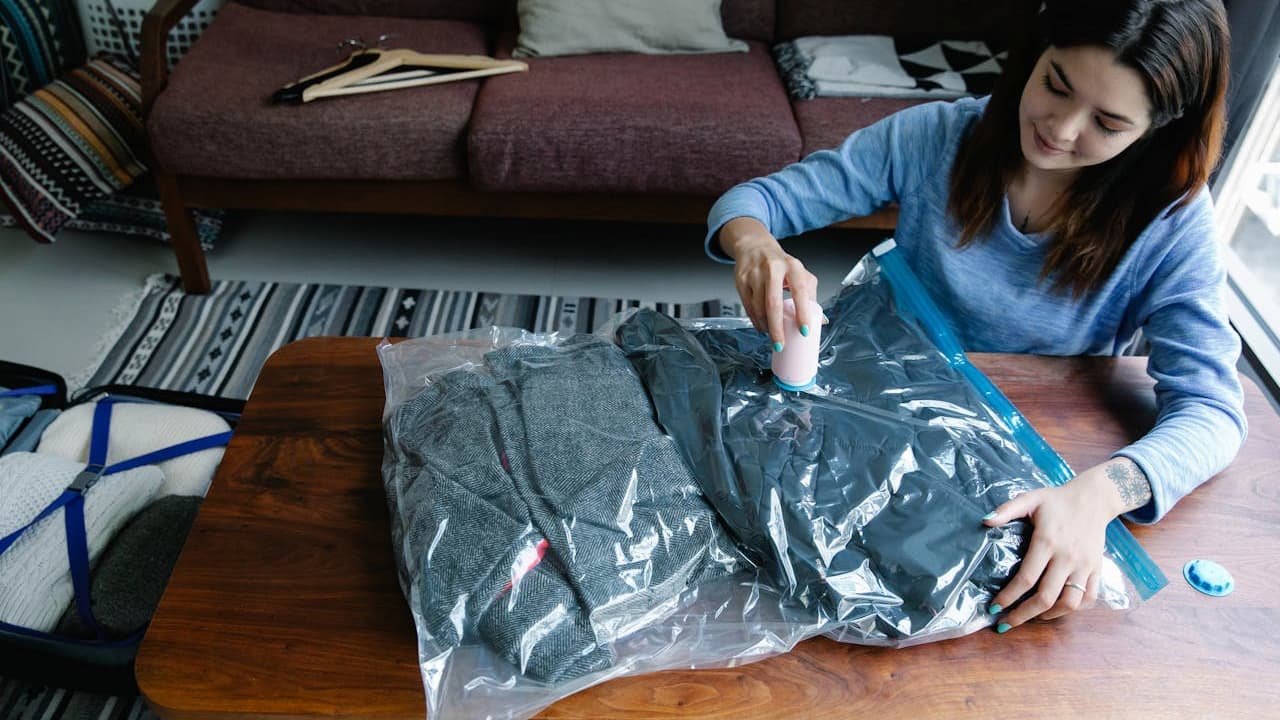
Clothing and bedding are another category of items that can easily become damp and musty in a basement. They can also become a breeding ground for mould and pests if left in the basement for too long.
Instead, store these items in a dry, clean closet or consider vacuum-sealing them for better protection.
9. Musical Instruments
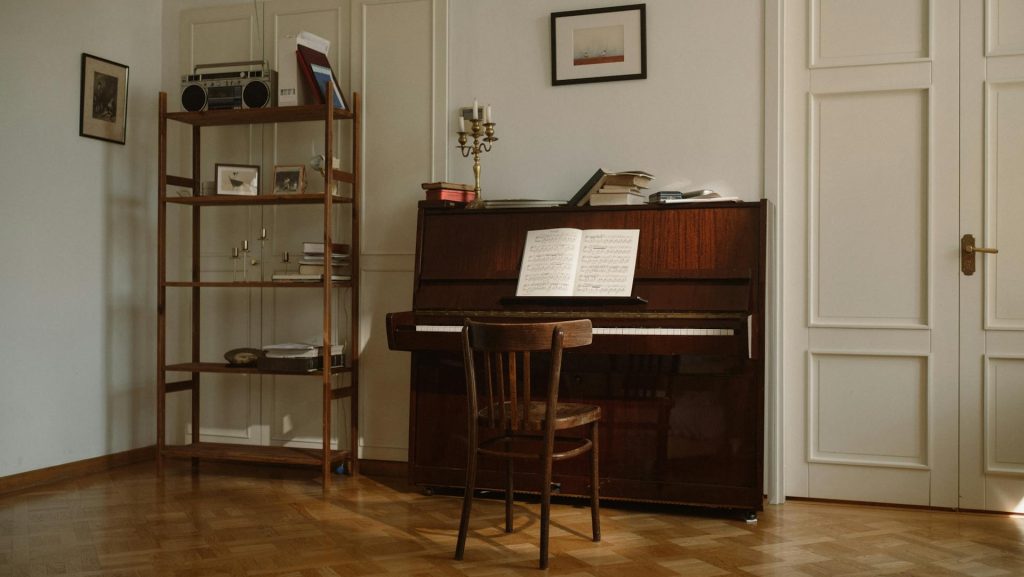
Musical instruments, especially those made of wood, can be severely damaged by the humidity and temperature changes in a basement. The wood can warp and the sound quality can be affected.
For the wellbeing of your instruments, it’s best to store them in a room where the temperature and humidity are stable. This will help maintain their sound quality and prolong their lifespan.