
There’s cleaning, and then there’s the specific, soul-crushing category of cleaning that seems to reappear the moment you finish it. You scrub it, it’s spotless for exactly six hours, and then it’s somehow dirty again before dinner. If you feel like you’re fighting the same battles on repeat while everyone else in the house acts like the mess simply reappears by magic, you’re not imagining the imbalance.
Federal time-use data consistently shows women still shoulder more of the household cleaning load than men, even in dual-income homes. So it’s not just in your head that you’re more tired of certain chores than the rest of your household seems to be. Here are the specific tasks women report being most burned out on, and why they’re worth rethinking rather than just repeating forever.
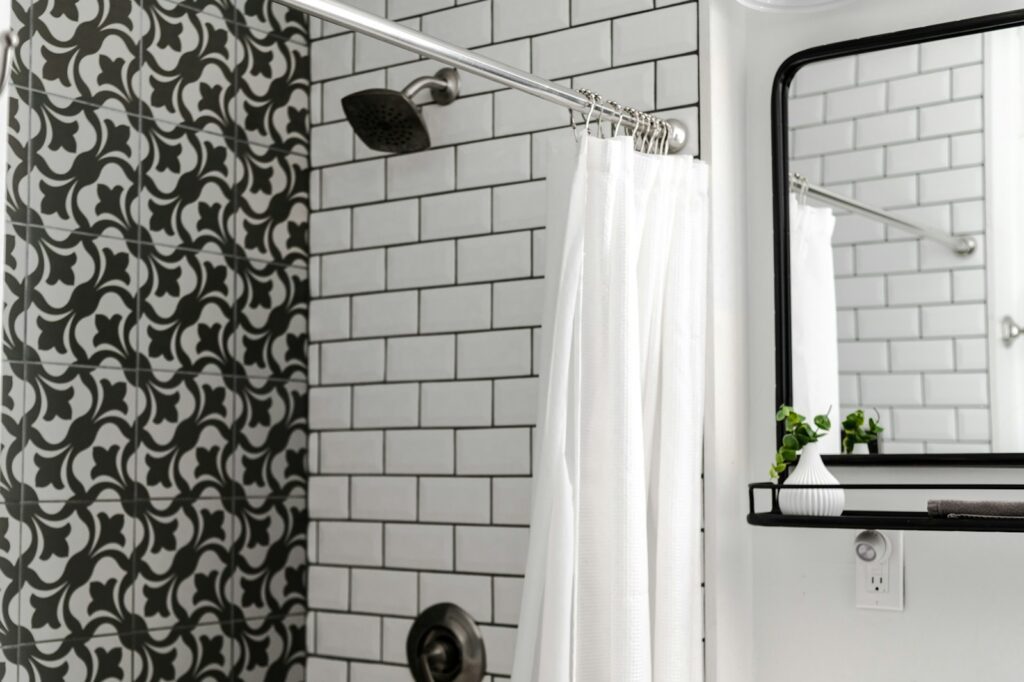
Bathroom Grout and Grime
Grout lines collect soap scum, mildew, and general bathroom funk faster than almost any other surface in the house, and scrubbing it by hand with a toothbrush is nobody’s favorite Saturday activity. The fix isn’t cleaning it harder, it’s cleaning it smarter: a daily squeegee habit after showers and a sealant applied to grout lines can dramatically cut down how often a deep scrub is even necessary. Prevention here saves far more time than the eventual scrub-down does.
Toothpaste Splatter on the Kids’ Sink
If you have young kids, you know this exact crime scene: a sink speckled with dried toothpaste, a puddle on the counter, and a cap that’s rolled somewhere unknowable. Wiping this up multiple times a day gets old fast, and it’s a chore that falls disproportionately on whoever’s doing the bedtime and morning routines. A small rubber mat under the faucet and a two-minute wipe-down habit taught early can cut the daily cleanup dramatically, even if it takes some repetition to stick.
Stovetop Grease Buildup
Cooking dinner every night means grease splatter accumulates on the stovetop, the backsplash, and the range hood filter faster than most people realize. Left alone even a few days, it turns into a sticky film that takes real elbow grease to remove. Wiping the stovetop down while it’s still warm, right after cooking, takes under a minute and prevents the buildup that turns into a dedicated deep-clean project later.
Baseboards
Baseboards sit at the exact height where dust, pet hair, and floor grime collect, and they’re low enough to the ground that most people simply stop seeing them during regular cleaning. That’s exactly why they build up such visible dinge before anyone notices. A microfiber cloth or a vacuum attachment run along baseboards during a regular cleaning pass, rather than as a separate deep-clean event, keeps them from ever reaching the scrub-worthy stage.
The Inside of the Microwave
Splattered soup, exploded leftovers, and steam-baked grime make the microwave interior one of the most avoided cleaning spots in the kitchen. The good news is this one has a genuinely easy fix: microwaving a bowl of water with a splash of vinegar or lemon juice for a few minutes loosens dried-on food so it wipes away without scrubbing. Doing this weekly turns a dreaded task into a thirty-second wipe.
Pet Hair on Upholstery
Pet hair embeds itself into couch cushions and fabric chairs in a way that makes it feel like a permanent home feature rather than something that can actually be removed. Regular vacuuming with a pet-hair attachment, plus a rubber glove or squeegee run across cushions, pulls out far more than a standard vacuum pass alone. Doing this on a set schedule, rather than only when guests are coming over, keeps it from feeling like a losing battle every time.
Shower Curtain Liner Mildew
A plastic shower liner develops mildew spots and soap scum faster than the shower curtain itself, and it’s an unglamorous item that’s easy to forget about entirely. Running it through the washing machine with a couple of towels and a small amount of detergent on a cold cycle can extend its life significantly. Doing this monthly, rather than waiting until it’s visibly speckled, keeps the whole bathroom smelling and looking cleaner with far less effort.
The Family Car Interior
Crushed crackers in the seat crevices, sticky cup holders, and a floor mat that looks like a science experiment make the car one of the most neglected cleaning zones, largely because it’s not technically part of the house. A small trash bag clipped to the back of a seat and a five-minute cleanup ritual after school pickup can prevent the kind of buildup that eventually requires a full detailing appointment.
The Kitchen Sponge Itself
Testing by public health researchers has repeatedly found that kitchen sponges are among the germiest items in an average home, which is a genuinely unsettling thing to learn about the tool you use to clean everything else. Microwaving a damp sponge for a minute or running it through a dishwasher cycle can reduce bacteria, but sponges still need to be replaced roughly every one to two weeks. Switching to dish brushes, which dry out faster and harbor less bacteria, is worth considering if you’re tired of babysitting a sponge’s hygiene.