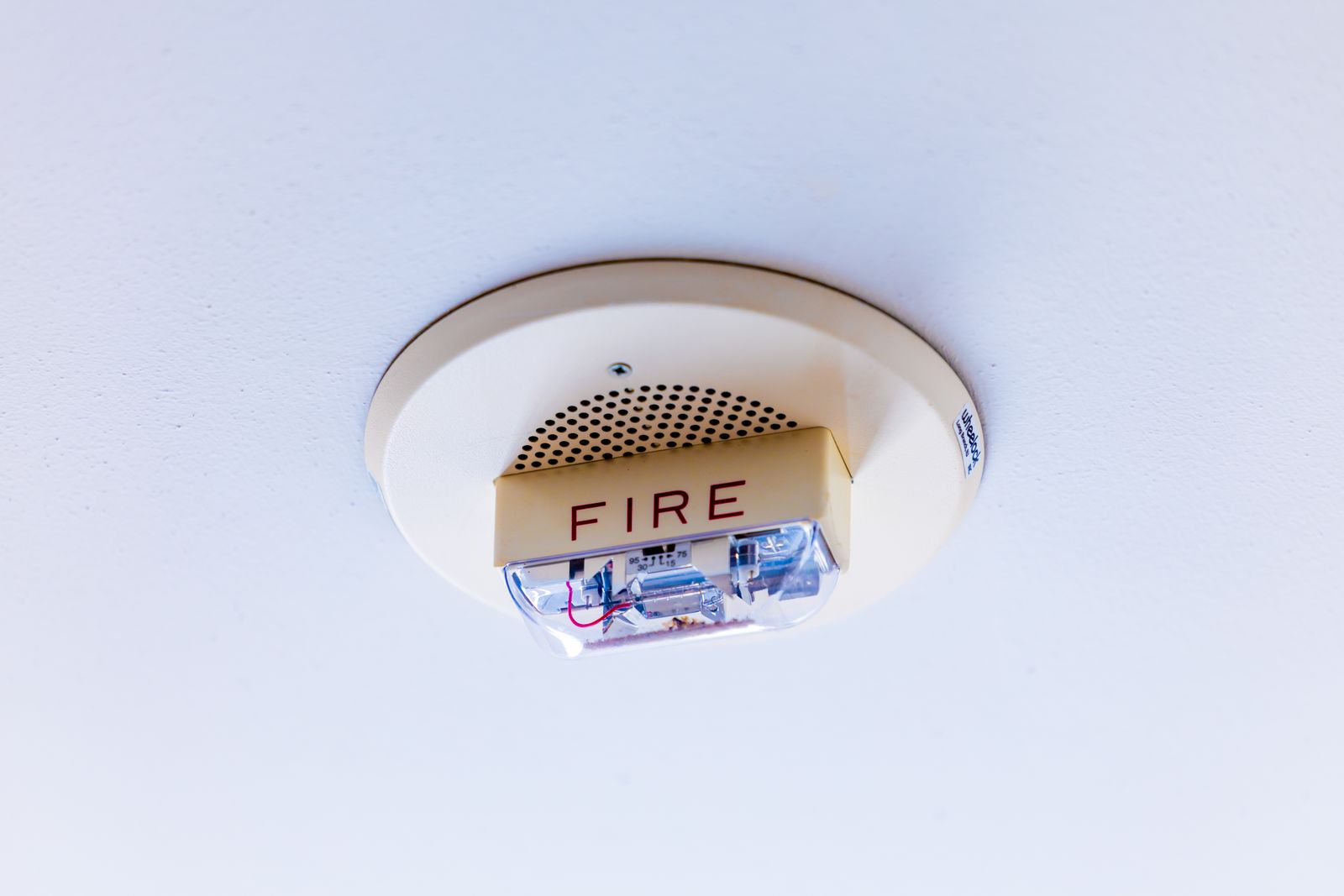
Nearly every home in America has a smoke alarm mounted somewhere on a ceiling or hallway wall. According to the National Fire Protection Association (NFPA), 99 percent of U.S. homes have at least one installed, which sounds like a safety problem already solved. But the same research found that roughly a third of people never test the alarms they already own, which means an awful lot of those devices are quietly doing nothing at all. Installing a smoke alarm is a task you do once and forget. Keeping it working is a habit, and habits are exactly the kind of thing a busy household lets slide. That gap between “we have one” and “we know it works” is where the real risk lives, and closing it takes less time than it takes to unload the dishwasher.
Installed Isn’t the Same as Working
A smoke alarm mounted on your ceiling is not, by itself, protection. It’s potential protection, and it only becomes real protection when the battery is fresh, the sensor is clean, and the unit is young enough to still do its job. The NFPA notes that a working smoke alarm roughly cuts the risk of dying in a home fire in half, which is a meaningful number, but it only applies to alarms that are actually sounding when they’re needed. An alarm with a dead battery or an expired sensor gives you something arguably worse than no alarm at all: a false sense of security. You walk past it every day assuming it’s watching your home, and it isn’t. That’s the quiet danger in the 99 percent statistic — it counts hardware on the wall, not readiness.
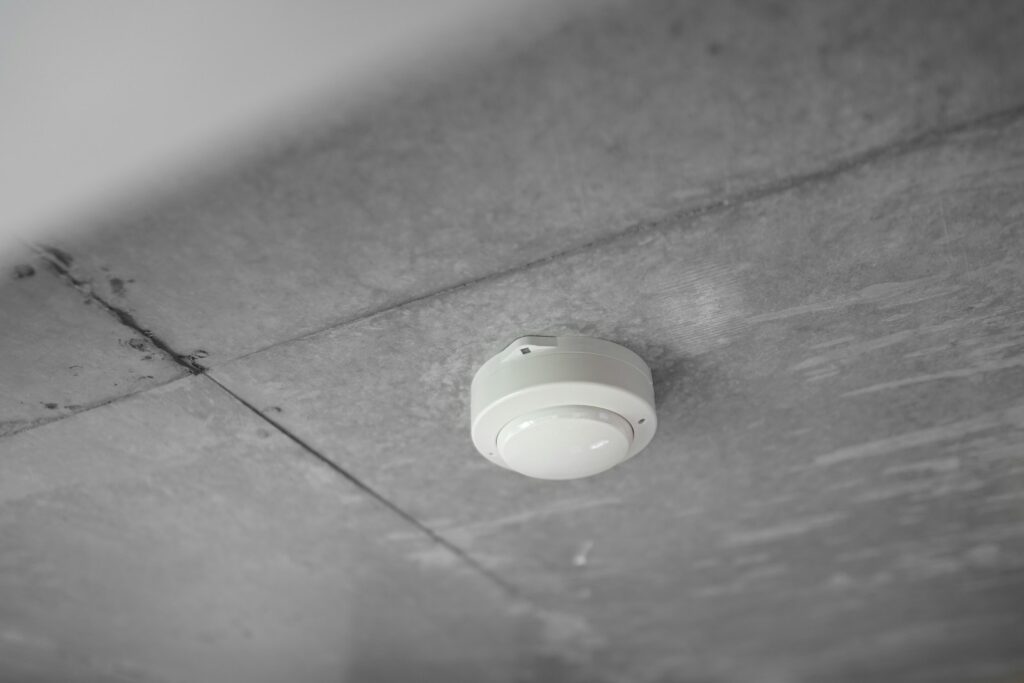
The Testing and Maintenance Schedule You Actually Need
The good news is that the maintenance routine for smoke alarms is short and doesn’t require any special tools. The U.S. Fire Administration recommends you test the alarm monthly, which just means pressing the test button and listening for the sound — a few seconds, once a month, is the whole commitment. For batteries, the guidance depends on what kind of alarm you have. If yours takes a standard 9-volt battery, the Fire Administration advises replacing it at least once every year, and the NFPA has long promoted the tradition of doing this when the clocks change each spring and fall, so you never have to remember a separate date. Newer alarms often come with sealed, non-replaceable 10-year lithium batteries built to last the life of the unit; for those, just follow the guidance printed on the label rather than trying to pop a battery out. Whichever type you have, the alarm itself has a shelf life. The Fire Administration is clear that smoke alarms need to be replaced entirely every 10 years from their manufacture date, which is usually stamped on the back of the unit. A decade-old alarm isn’t just old, it’s a sensor that has slowly lost its sensitivity to smoke, and no amount of fresh batteries fixes that.
Why Alarms Fail Without Ever Sounding an Alarm
What makes smoke alarm failure so sneaky is that it never announces itself. There’s no warning light, no beep telling you the sensor has degraded, no note left on the counter. A battery just quietly dies. Dust and cooking residue settle into the sensor chamber over months and years, and so do the occasional insects that find their way inside, muffling the very mechanism meant to detect smoke. Age does its own slow damage to the sensor even when everything else looks fine. You only discover any of this in one of two ways: a monthly test, or a fire, and only one of those gives you a chance to fix the problem first. It’s also worth saying plainly that disconnecting an alarm because it’s going off during cooking is a mistake worth avoiding — the Fire Administration warns that disabling a smoke alarm or removing its battery can be a deadly mistake, since the annoyance of a false alarm is nothing compared to what happens if you forget to reconnect it. If cooking smoke keeps setting yours off, move the alarm slightly farther from the kitchen or look into a model with a hush button instead of pulling the battery.
Why Interconnected Alarms Change the Math
If you’ve ever thought a single alarm near the kitchen was enough because “someone will hear it,” interconnection is the upgrade that actually makes that true. With interconnected smoke alarms, the Fire Administration explains, when one sounds, they all sound, which means a fire starting in the basement will wake the person sleeping on the second floor just as loudly as it wakes anyone nearby. In a one-story home with everyone in earshot, that difference might feel small. In a multi-level house, or one with a finished basement, a bonus room over the garage, or bedrooms at opposite ends of a long hallway, it’s the difference between waking up with time to get out and not waking up at all. Interconnection can be wired or wireless, and it’s one of the more worthwhile upgrades you can make the next time you’re replacing aging units anyway.
Where Every Alarm Should Live
Placement matters just as much as maintenance, and the guidance is consistent and simple to follow. The Fire Administration recommends a smoke alarm on every level of your home, including the basement, plus one inside each bedroom and one just outside every sleeping area, so a fire is caught whether it starts near where someone is cooking, working, or already asleep. Alarms belong on the ceiling or high on the wall, since smoke rises, and away from air vents, drafty windows, or ceiling fans that can push smoke past the sensor before it registers. If you’re renovating or just walking through your home with fresh eyes, that’s the moment to notice a level or a bedroom that got missed when the house was first built or last updated.
None of this requires an overhaul of how your home works. The families who move from that 99 percent installation number to real, working protection aren’t doing anything dramatic — they’re just building three small habits into the rhythm of the year: a monthly minute with the test button, a battery swap tied to a date they already remember, and a mental note of how old each unit actually is. The alarm on your ceiling can only do its job if you’ve done yours first, and that’s the whole difference between owning a smoke alarm and being protected by one.