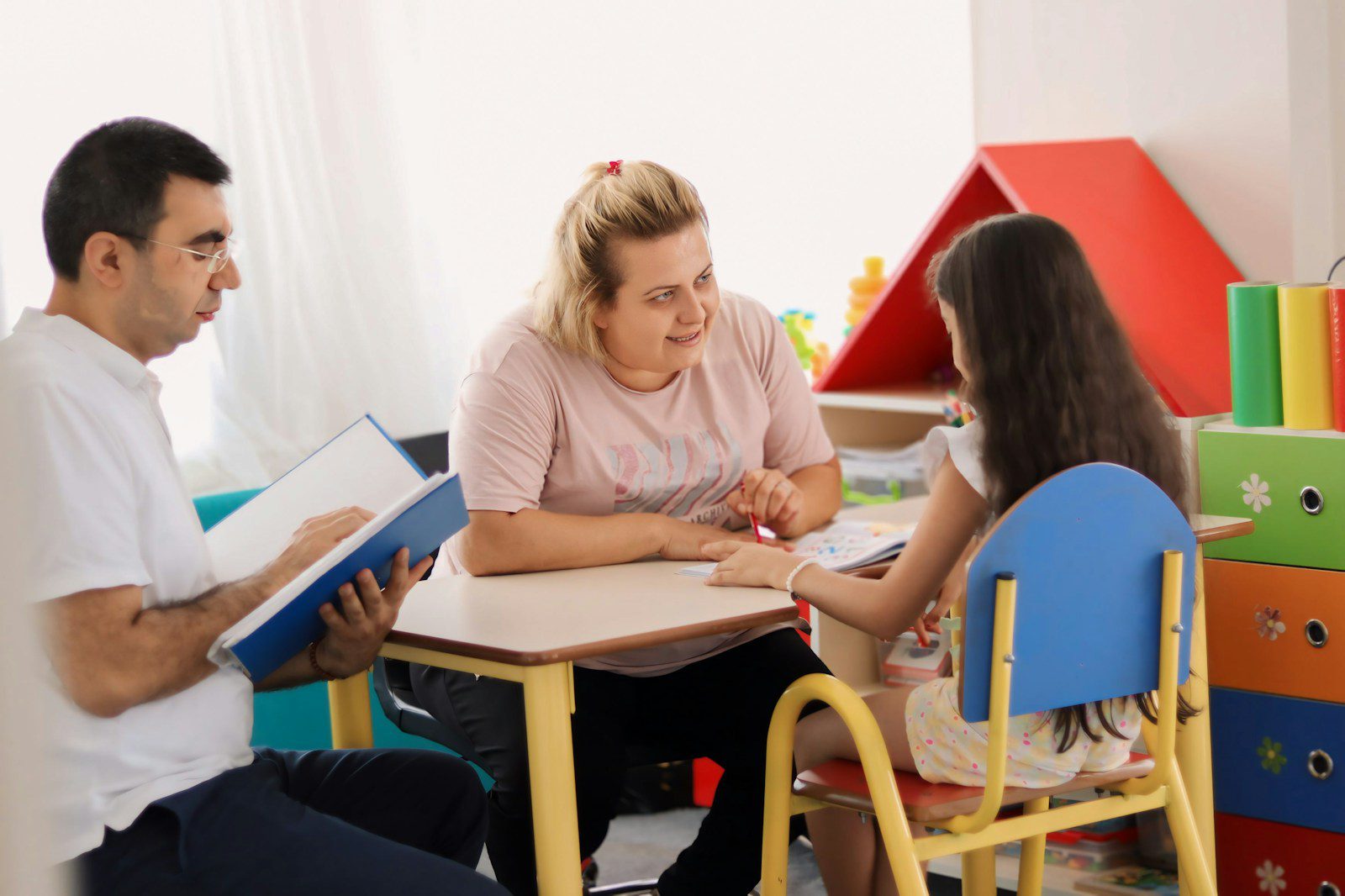
A brief moment in a preschool classroom turned into a teaching moment that exposes how young children are already learning about boundaries, power, and language. When a 4-year-old boy told a classmate “Your body, my choice” after she declined his kisses, the teacher intervened and guided the situation toward respect and consent. The teacher’s immediate response modeled clear limits and gave both children language to understand consent, making the moment corrective rather than shaming.
You will follow what happened next: how the teacher explained boundaries, how classmates reacted, and what adults can learn about addressing gendered phrases that children mimic from social media and public discourse. The rest of the post unpacks the incident, the classroom conversation, and why these early interactions matter for how children form ideas about autonomy and respect.
The Incident: Understanding What Happened
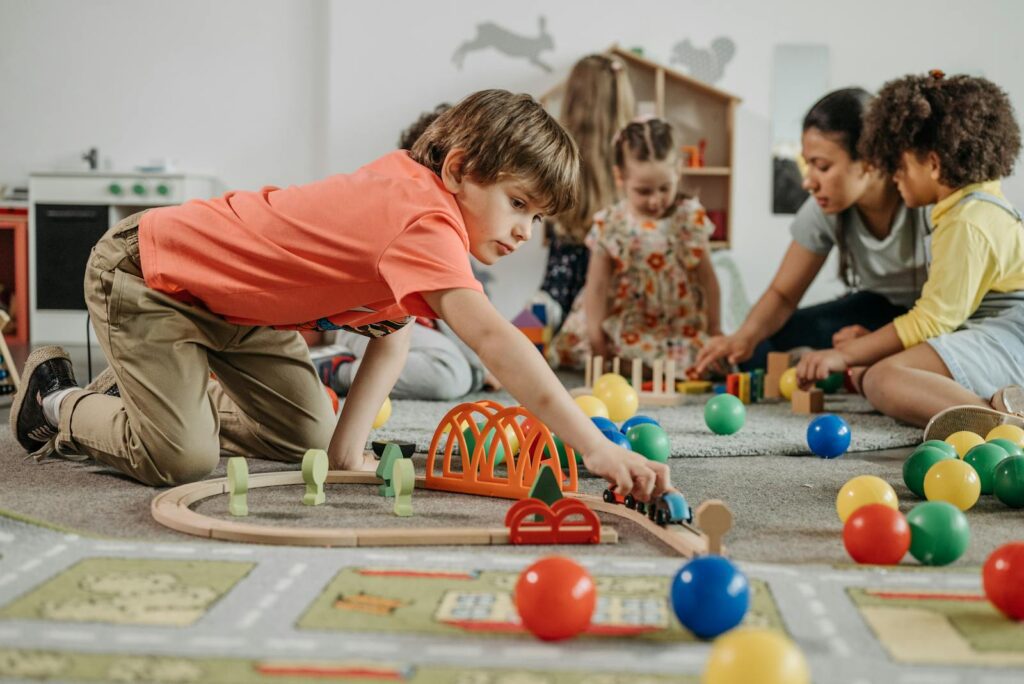
A 4-year-old boy attempted to kiss a classmate and, when she pulled away, said a phrase that echoed adult language about bodily autonomy. The teacher intervened immediately, removed the children from the situation, and began age-appropriate boundary work.
The Classroom Moment: Setting the Scene
The classroom was a mixed pre-K group during free play when the boy moved toward a girl and tried to kiss her on the cheek. When the girl turned her head and said no, the boy responded with “Your body, my choice,” repeating words he had likely heard elsewhere rather than a fully formed idea about consent.
Both children looked confused; the girl appeared upset and the boy seemed to expect compliance. Other children nearby paused and watched, which increased the urgency for adult intervention. The incident lasted only a few seconds but raised immediate concerns about language, imitation, and the need for guided conversation about personal space.
The Teacher’s Response and Immediate Actions
The teacher stepped in within moments, using a calm but firm tone to separate the children and ensure the girl was safe and comforted. She validated the girl’s feelings, asked simple questions to assess any physical contact, and reassured her that saying no was okay.
Next, the teacher spoke with the boy privately, naming the behavior—kissing without permission—and explaining, in concrete terms, that bodies belong to each person and touching requires consent. She documented the incident, informed the school lead, and told both sets of parents what happened and how it was handled.
Why It Matters: Consent, Gender, and Social Messages
Young children learn rules for bodies, words, and power through everyday play, media, and what adults tolerate. Clear language, consistent boundaries, and prompt adult intervention shape whether a child sees a classroom as a place of respect or a place where harmful phrases get normalized.
Teaching Consent to Young Children
Teaching consent at preschool age means using short, concrete scripts: “Ask first,” “Keep hands to yourself,” and “No means stop.” Caregivers and teachers should model asking permission for hugs and explain that feelings can change.
Role-play works well: practice saying “I don’t want a hug” and coach responses like “Okay, thank you for telling me.” Repeat these scripts across routines — during line-up, snack time, and transitions — so children learn consent is consistent, not special-occasion talk.
Use simple, non-judgmental language about body parts and privacy. Reinforce that toys and bodies are not for taking without permission. When a child violates a boundary, adults should label the behavior, set a brief consequence, and reteach the script in calm moments.
This approach reduces shame, teaches agency, and gives children tools to resist peer pressure.
The Messages Kids Absorb About ‘Man Up’ and Gender Roles
Phrases like “man up” or role-enforcing jokes teach boys to hide emotion and equate strength with dominance. When peers or media reward aggressive behavior, boys learn that coercion and entitlement earn status. That dynamic makes a comment like “Your body, my choice” look less shocking to them and more like a performance.
Schools can interrupt this by praising emotional honesty and cooperation in both boys and girls. Teachers who point out and discuss gendered expectations—such as who gets praised for quiet compliance versus loud leadership—help kids notice unfair patterns.
Parents should question toys, games, and media that normalize dominance, and offer alternatives that emphasize empathy, teamwork, and respect.
Unpacking the Roots: Misogyny, Transphobia, and Harmful Ideologies
Harmful phrases don’t arise in a vacuum; they echo broader social currents like misogyny and transphobia. Online communities and cultural catchphrases can filter down, teaching children to dismiss girls’ autonomy or to police gender nonconformity. That creates a pipeline from playground taunts to more organized forms of hate if adults don’t intervene.
While antisemitic conspiracy theories and other extremist ideas form different threads, they share mechanisms: in-group signaling, dehumanizing language, and simplified scapegoating. Schools should counteract this with concrete lessons that name unfairness, teach critical thinking about online claims, and offer alternative narratives rooted in respect.
Practical steps include classroom conversations about respect, curated media choices, and faculty training to spot and address early signs of organized hateful rhetoric — even when it starts as a “joke” shared like cookies at recess.
More from Decluttering Mom: