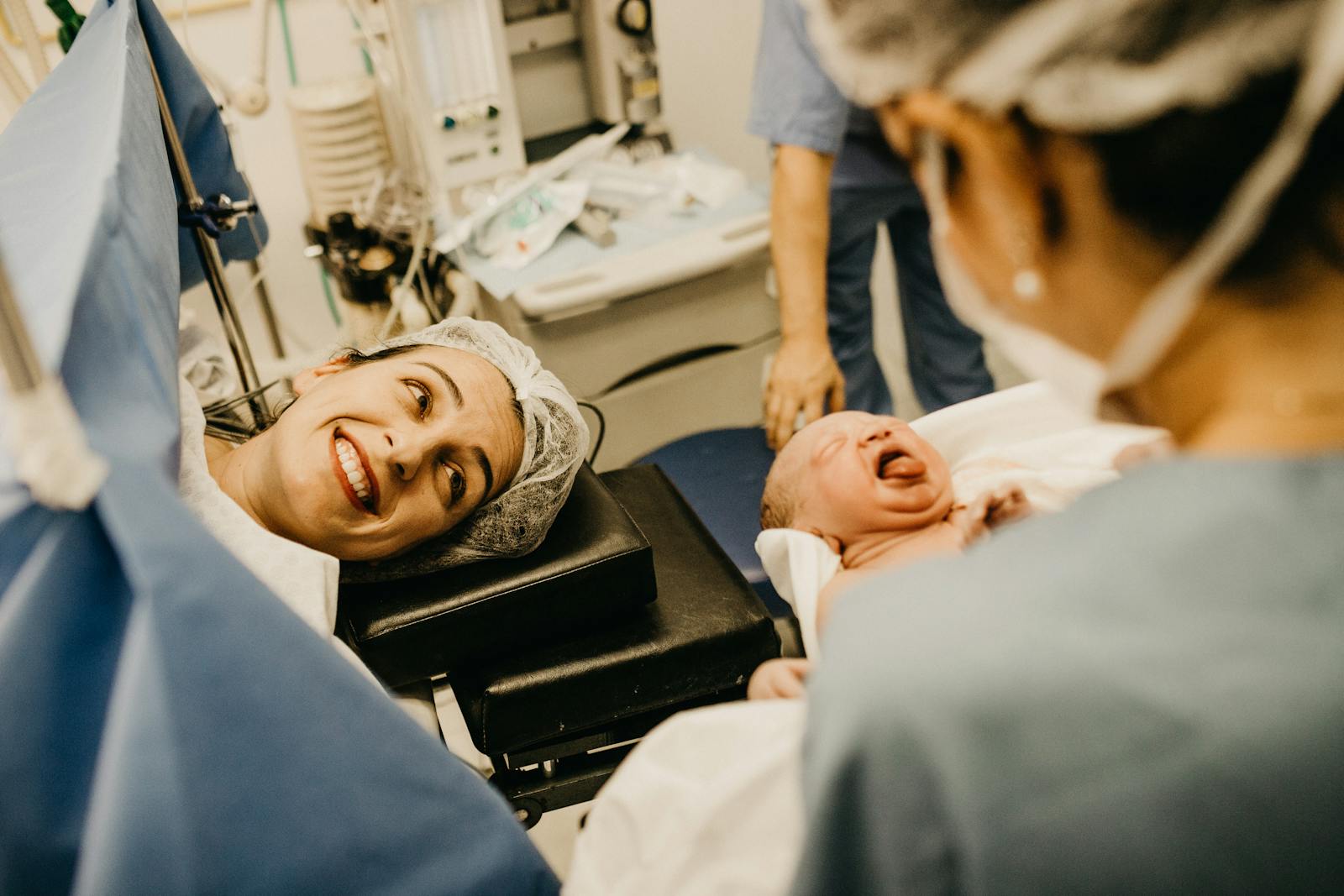
New mothers are told to “sleep when the baby sleeps,” then promptly checked, poked, and interrupted every hour once they land in a hospital bed. The reality is that the first nights after birth can feel like a blur of vital signs, visitors, and feeding attempts, with rest falling to the bottom of the priority list. That is exactly why one labor and delivery nurse’s top sleep strategy for new moms is so strikingly simple: treat sleep like a medical need, not a luxury, from the very first night.
Her advice starts in the hospital but stretches into those hazy weeks at home, reframing rest as part of postpartum care rather than something parents have to “earn.” Paired with practical tactics from postpartum specialists and pediatric sleep educators, it offers a blueprint for new families who are desperate for more than a few scattered minutes of shut-eye.
The nurse’s #1 tip: Protect a real sleep window in the hospital
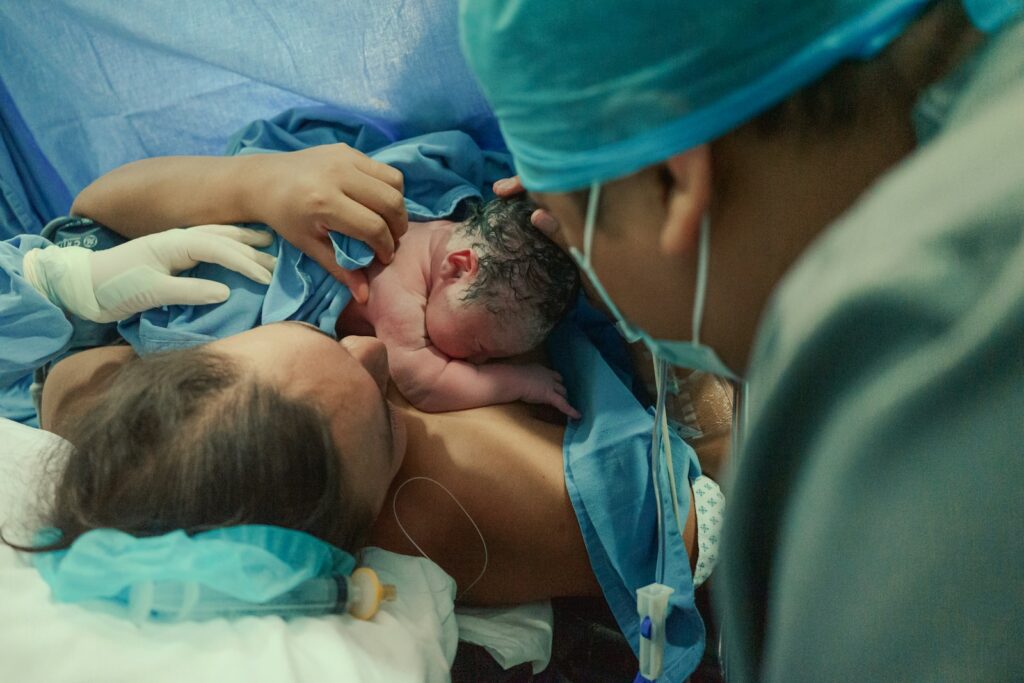
The labor and delivery nurse’s main recommendation is to carve out one protected block of rest during the hospital stay and make sure everyone on the care team knows about it. She has watched too many new parents go home more depleted than they arrived because Hospitals are set up around constant checks, meal deliveries, and lab draws, not around a mother’s sleep cycle. Her fix is to ask the nurse to cluster as many tasks as possible, then agree on a two to three hour stretch when the room stays quiet and the lights stay low.
That protected window only works if it is clearly communicated, which is why she encourages parents to literally put it in writing. Once the nurse has helped “bundle” care, she suggests posting a simple note on the door so staff know to avoid nonurgent interruptions during that time. The same reporting describes how a sign can politely warn that the parent and baby are resting, a small step that can dramatically cut down on knocks and noise when paired with a nurse who is willing to coordinate Hospitals routines around that rest period.
How “bundling care” turns chaos into a quiet block of rest
Behind that door sign is a second, equally important part of the nurse’s advice: ask the staff to “bundle your care.” Instead of spacing out blood pressure checks, medication rounds, and pediatric visits across the entire night, she recommends having Your nurse look at when the doctor is expected, when the baby needs assessments, and when labs are scheduled, then stack as many of those touchpoints together as possible. That way, the parent is awake for a concentrated burst of activity instead of being jolted out of shallow sleep every 45 minutes.
Parents who have tried this approach describe a noticeable difference in how they feel by morning, even if the total number of sleep hours is not dramatically higher. One mother quoted in the same reporting said she had been “exhausted” until a nurse offered to coordinate checks and feedings into a single cluster, which finally gave her a chance to drift into deeper sleep between care blocks. For a body that has just gone through labor or surgery, that shift from constant interruption to one or two longer stretches can be the difference between starting recovery on fumes and leaving the hospital with at least a small reserve of energy.
Carrying the mindset home: sleep as postpartum health care
Once a family walks out of the hospital, the nurse’s core message still applies: sleep is not optional, it is part of healing. Postpartum specialists emphasize that taking care of basic needs like hydration, nutrition, and movement is essential for recovery, and they place rest in that same category. One women’s health program notes that Focusing on overall wellness, including realistic sleep strategies, can help stabilize mood, support milk supply, and reduce the fog that so often shadows the first weeks at home.
That shift in mindset can change how a family structures its days. Instead of treating naps as a bonus, parents can plan for them the way they would plan for a pediatrician visit, arranging help with older siblings or household tasks so the birthing parent can lie down. Some postpartum educators encourage parents to “stay in rest mode” even when they cannot fully sleep, using quiet activities like meditation, affirmations, or reading to keep the nervous system calm. One childbirth resource frames this as a deliberate choice to remain in a low-stimulation state, explaining that staying in that gentle rhythm, or “rest mode,” supports recovery just as much as formal sleep, especially when combined with simple tools like Tips for Prioritizing.
Making “sleep when baby sleeps” actually work
At home, the classic advice to rest when the baby rests often collides with laundry piles, text messages, and the urge to finally shower. Sleep educators acknowledge that the phrase can feel unrealistic, which is why they suggest reframing it as “sleep when it works for your family.” One postpartum guide points out that the idea behind Sleep When Baby, But Make It Work for You is to protect total sleep time over 24 hours, not to demand that every nap line up perfectly with the baby’s schedule.
In practice, that can mean choosing one or two daytime naps to prioritize and letting the rest of the baby’s sleep windows be used for showers, meals, or a short walk. Some parents find it helpful to create a simple, soothing routine that makes it easier to fall back asleep after nighttime feedings, such as dimming lights, using a white noise app like Calm or Headspace, and keeping the phone away from the bed. Others lean on a partner or relative to take one early-morning shift with the baby so the birthing parent can get a longer stretch, even if it is only three hours. The key is to treat those blocks as nonnegotiable appointments rather than optional extras that can be sacrificed to another load of dishes.
Small newborn sleep tweaks that give parents more rest
While no tip can turn a newborn into a solid sleeper overnight, small adjustments can reduce how often parents are woken unnecessarily. Pediatric sleep educators often start with the basics: keep nighttime care as calm and efficient as possible. One newborn specialist advises avoiding Newborn diaper changes that are not needed, since fully undressing and wiping a baby can wake them up more than a quick feed would. She also suggests keeping lights low, voices soft, and stimulation minimal so the baby learns to associate nighttime with quiet and daytime with more interaction.
Those same experts remind parents that their own sleep environment matters too. Simple changes like using blackout curtains, setting the thermostat a few degrees cooler, and keeping a glass of water and a snack by the bed can make it easier to fall back asleep after tending to the baby. Over time, these small tweaks add up. When combined with the labor and delivery nurse’s original hospital strategy of protecting a real sleep window and bundling care, they form a consistent approach: respect the parent’s need for rest at every stage, from the first night on the maternity floor to the long stretch of newborn nights at home.
More from Decluttering Mom: