Every thrift shopper knows the quiet thrill of spotting something that feels out of place on a crowded shelf. The stakes jump when that hunch turns out to be right, as in the now classic story of a man who paid $5 for a small porcelain piece and later learned it was worth tens of thousands of dollars. Finds like his are not just feel-good anecdotes, they are a window into how secondhand stores, online tools, and everyday curiosity are reshaping what we think of as “value.”
I see these stories as a kind of modern gold rush, only the riverbed is a bin of donated housewares and the pickaxe is your smartphone. The headline moment, a man buying a $5 thrift item that turned out to be extremely valuable, is no longer a once-in-a-generation fluke. It is part of a pattern that reveals how underpriced objects, uneven expertise, and new technology collide in the aisles of your local charity shop.
The $5 figurine that rewrote the rules
The cleanest example of this phenomenon starts in New York, where a shopper picked up a small porcelain figurine for $5 at a local thrift store. On the surface, it was just another decorative object, the kind of thing that usually ends up on a mantel or in a box in the attic. After the buyer had the piece examined, however, experts identified it as a 19th century work and valued it at $50,000, a gap between sticker price and true worth that would make even seasoned collectors blink.
That leap from $5 to $50,000, documented in reporting on the New York figurine, captures why these stories resonate so strongly. The buyer did not need insider access to an auction house or a private dealer, only the willingness to look closely at something everyone else had passed over. It is a reminder that thrift stores are not just repositories of castoffs, they are accidental marketplaces where expertise is wildly uneven and where a single overlooked detail can translate into life-changing money.
How valuable items slip through thrift store systems
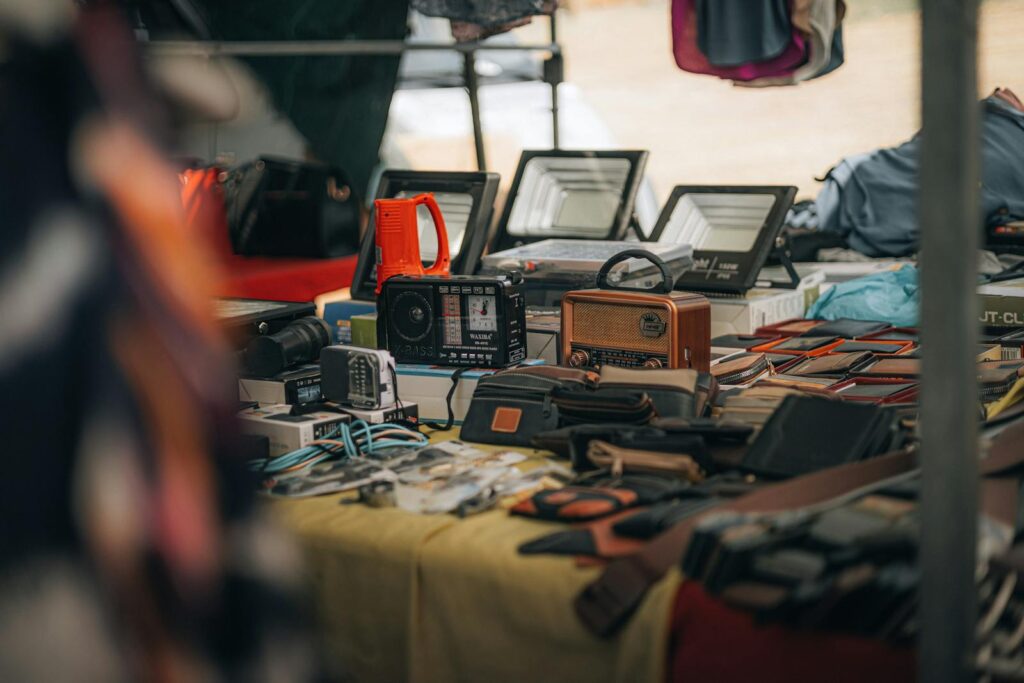
To understand how a $50,000 object can sit on a shelf for $5, you have to look at how donation-based retailers operate. Organizations like Goodwill process huge volumes of clothing, housewares, and collectibles, often relying on quick visual checks and broad pricing categories rather than deep research into each item. Staff and volunteers are trained to move inventory efficiently and keep prices accessible, not to appraise every porcelain mark or jewelry stamp that comes through the door.
That structure creates blind spots. A rare figurine can be lumped in with generic knickknacks, and a high-karat necklace can be tossed into a costume jewelry bin. The system is designed to prioritize throughput and affordability, which is great for shoppers on a budget but leaves room for massive mispricings. When a man walks out with a $5 item that later proves extremely valuable, it is not necessarily because anyone made a mistake, it is because the entire model trades precision for speed.
Other $5 windfalls: jewelry, plates, and luxury decor
Once you start looking, the $5-to-fortune pattern shows up across categories. Inside one thrift store’s costume jewelry section, a shopper spotted what looked like a simple necklace priced at $5. A closer look revealed 14k gold and pearls, a combination that put its real value far beyond the costume label it had been given. The story of that necklace discovery underscores how often precious materials hide in plain sight when staff are sorting hundreds of pieces at a time.
Similar dynamics play out beyond jewelry. One account describes a shopper who picked up a pristine decorative plate for $5, drawn in by how untouched it looked among more worn dishes. The buyer later learned that the plate’s pattern and maker connected it to decades of auction history, turning a casual purchase into a serious asset. A separate report follows a shopper thrilled to find a luxury home item for a fraction of its usual price, proof that high-end decor can slip into the secondhand stream just as easily as everyday mugs and lamps.
Why technology is turning casual browsers into appraisers
What is changing now is not just what ends up on the shelves, but who can recognize it. A decade ago, spotting a valuable figurine or plate required either formal training or years of collecting experience. Today, a shopper can pull out a phone, snap a photo, and run a quick search to see if that unfamiliar maker’s mark or pattern shows up in online listings. Tools like visual search and shopping results effectively put a rough appraisal engine in every pocket.
That shift is already visible in how people talk about their finds. In one account, a Man who bought a $5 plate described being struck by how “pristine” it looked, then digging into its background and realizing it had been hiding in plain sight for years. Reporting on that plate purchase shows how a mix of instinct and quick research can turn a hunch into a confident decision. I expect that as image recognition improves and more auction data is indexed, we will see even more shoppers quietly checking their phones in the aisle before committing to a $3 vase or a $7 painting.
The coming tug-of-war over thrift store value
All of this sets up an interesting tension. On one side are mission-driven retailers that want to move goods quickly and keep prices low for people who rely on secondhand shopping. On the other side are increasingly savvy customers who know that a $5 tag might be hiding a four- or five-figure resale opportunity. If stories about a Thrifter turning a $5 plate into a major score, as referenced in coverage of a pristine plate, keep circulating, more people will walk into thrift stores thinking like scouts rather than just bargain hunters.
My first prediction is that larger chains will respond by building more appraisal capacity into their back rooms, at least for obvious high-risk categories like jewelry, art, and branded luxury goods. That could mean dedicated staff, better training, or even partnerships with outside experts. My second prediction is that smaller, independent shops will lean the other way, embracing the treasure-hunt narrative as part of their appeal and accepting that the occasional $50,000 figurine is the price of keeping the experience fun and accessible. Either way, the man who once quietly bought a $5 thrift item and later learned it was extremely valuable may end up being remembered less as an outlier and more as the early face of a new kind of secondhand economy.
More from Decluttering Mom: