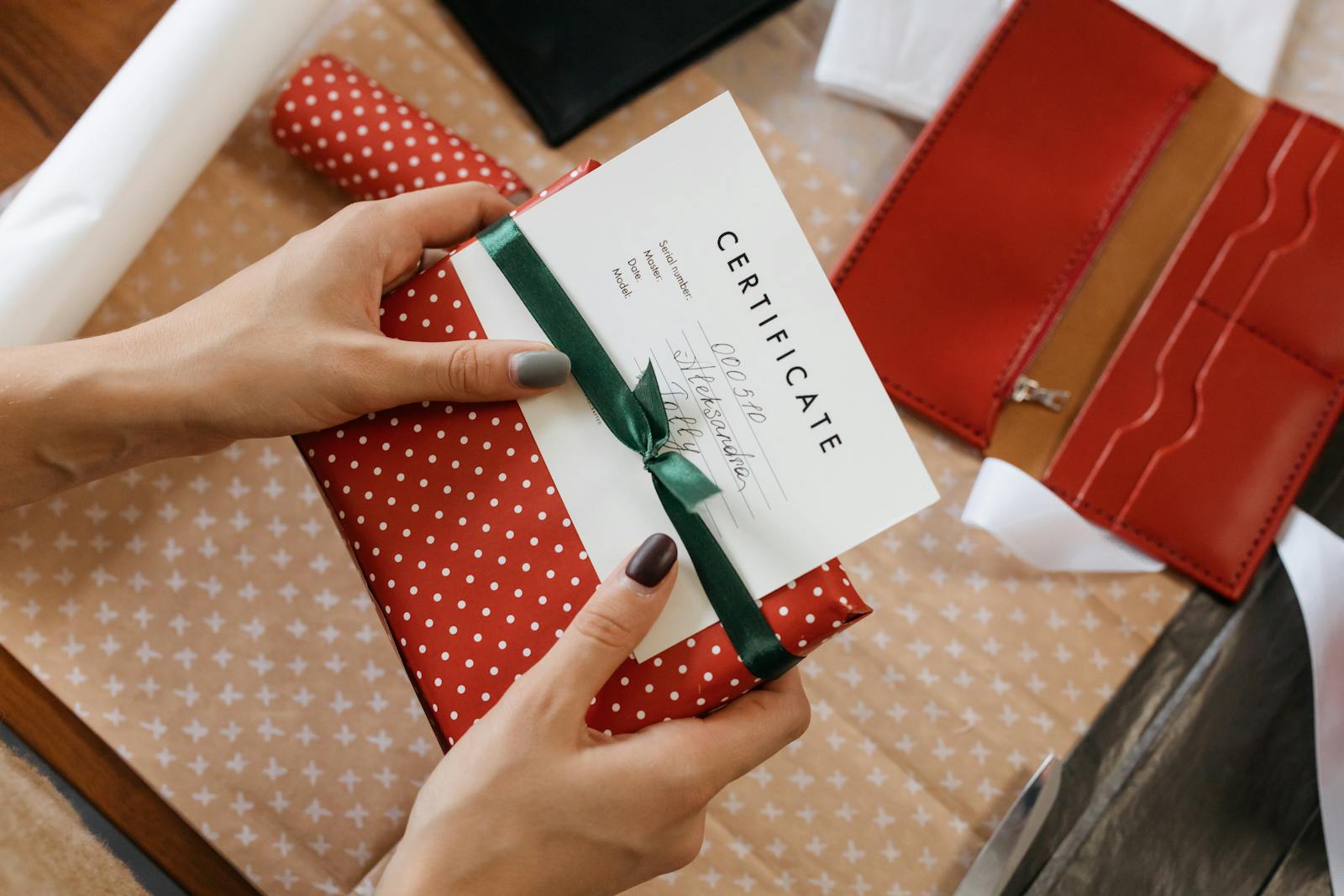
You find yourself holding a stack of birthday cards and feeling a knot of guilt about recycling them. She admits the shame, and you wonder whether those paper memories deserve a permanent place or a quiet goodbye.
You can honor the sentiment without keeping everything: practical options let you preserve meaning while reclaiming space. The article will walk through why sentimental clutter feels heavy, common missteps people make, and simple, guilt-free ways to sort, digitize, or repurpose cards so memories stay without the mess.
Struggling With Sentimental Clutter: The Birthday Card Dilemma
Keeping every birthday card can feel heavy, but tossing them can feel like erasing relationships. Practical choices, emotional meanings, and social expectations collide in small stacks of paper.
Why Letting Go Feels So Hard
People often link cards to specific memories: a laugh, a milestone, a person who is no longer present. That link makes a card act like a memory anchor; discarding it can trigger fear of forgetting details or dishonoring the giver.
Decision fatigue worsens the problem. When someone faces dozens of cards, they stall, unsure which ones are “important enough.” Time constraints and daily responsibilities then turn decluttering into ongoing avoidance rather than a one-time act.
Physical cues also matter. A card with handwriting, a doodle, or a child’s misspelling carries more weight than a generic printed greeting. Those sensory details increase perceived value and raise the emotional cost of letting items go.
Emotional Ties to Cards and Keepsakes
Cards often represent relationships rather than events. A simple “You’re the best” from a close friend can feel like proof of connection, especially during hard periods. That perceived proof makes people protective of cards.
People assign categories—“sentimental,” “funny,” “milestone”—and treat items differently. Milestone cards (graduations, anniversaries) tend to survive longer because they mark time, while casual notes might be easier to recycle.
Physical proximity affects feelings too. Cards kept in a drawer or display box get revisited occasionally, reinforcing attachment. Conversely, cards scanned and stored digitally often lose their immediate emotional pull and become easier to release.
Shame and Guilt in Decluttering Moments
Shame emerges when someone imagines what the card-giver would think if they knew the card was thrown out. That imagined judgment can stop decluttering in its tracks. Regret after tossing something “important” fuels caution about future purges.
Guilt often ties to expectations—cultural, familial, or personal—about preserving mementos. A mom might feel judged for recycling a child’s handmade card, even if practical reasons justify it. Those pressures turn a simple cleaning task into a moral dilemma.
Practical strategies reduce shame and guilt: keep a few representative cards, digitize the rest, or repurpose messages into a small scrapbook. Concrete rules help people make choices that feel respectful without preserving everything.
How to Handle Sentimental Clutter Without Guilt
She can make practical choices that honor feelings without keeping everything. Small, intentional steps—repurposing, clear limits, family input, and a balanced mindset—make it easier to keep what matters.
Clever Ways to Repurpose Birthday Cards
Turn cards into keepsakes that take up less space. Cut favorite images or handwritten notes and glue them into a slim scrapbook or a single memory box. Use a scanner or phone to create a digital album; label each file with the sender, date, and occasion for quick searching later.
Create functional items from card art. Fold sturdy fronts into bookmarks, trim patterns for gift tags, or laminate small pieces as fridge magnets. For a yearly tradition, photograph the best card and make a single printed photo book that replaces dozens of loose cards.
Choose one tangible memento per person. Save that one card in a labeled envelope and digitize the rest. This keeps a physical connection without accumulating boxes.
Setting Boundaries for Sentimental Items
Define clear, simple rules she can stick to. Limit saved items by container size (one shoebox per child, one folder per year) or set a time rule (keep cards only for five years unless marked “keep forever”). Write the rule where she sees it to avoid decision fatigue.
Apply a quick-test to decide: if it provokes a specific memory or carries unique handwriting, keep it; if it’s generic, recycle it. Schedule a regular purge—annually or after birthdays—so choices happen in one focused session rather than dribbling clutter throughout the year.
Store kept items in one accessible place. When physical limits are tight, the boundary itself reduces guilt because the rule explains why items are not kept.
Involving Your Family in Decisions
Invite family members into the process using clear tasks. Ask children to pick their top two cards each year and explain why, then photograph the rest together before recycling. Encourage partners to claim cards they want to keep and to help decide joint-storage rules.
Make decisions brief and concrete to avoid long emotional debates. Use a simple prompt like “Keep, digitize, or recycle” and set a 60-second limit per item. Rotate responsibility so no single person bears the burden of sorting every sentimental item.
Set expectations before events. Tell friends and family that a few keepsakes will be saved and the rest digitized; most people appreciate honesty and won’t take offense. Treat family involvement as a shared ritual that creates clearer memories, not more clutter.
Finding the Right Balance Between Memories and Minimalism
Balance means preserving meaningful traces without hoarding every paper. Prioritize items that capture unique handwriting, milestone dates, or rare messages—these hold more emotional weight than generic printed cards. Keep those and convert the rest into compact formats.
Adopt a hybrid approach: keep a few physical mementos, digitize the bulk, and display a rotating selection. Use a simple display box or photo frame that rotates four favorites each season. This keeps memories visible while preventing overflow.
Be intentional about permanence. If an item still feels precious after a year in temporary storage, move it to the long-term box. If not, let it go. This slow-trial method reduces regret and keeps possessions aligned with current feelings.
More from Decluttering Mom: