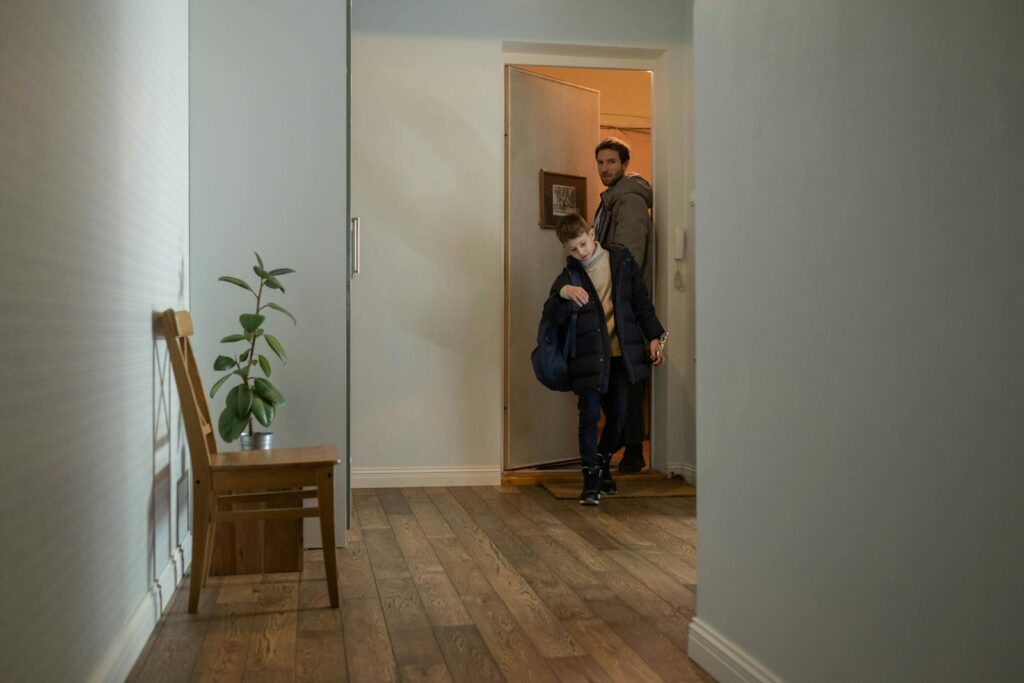
The logistics were trivial. The emotional fallout was not. Her daughter felt singled out, and the mother suddenly saw the invisible architecture of a neighborhood clique she had not known existed. What followed was a question most parents will face at some point: how do you help a child process social exclusion while figuring out whether the adults involved were careless or cruel?
Why a missed carpool can feel like a social earthquake
To grown-ups, a forgotten text thread is a scheduling hiccup. To a child, it can register as rejection. Research by social psychologist Kipling Williams at Purdue University has shown that even brief, minor episodes of exclusion activate the same neural pathways as physical pain. In Williams’ ostracism studies, participants who were left out of a simple ball-tossing game reported drops in self-esteem and sense of belonging within minutes. Children, whose social cognition is still developing, are especially vulnerable to reading exclusion as a statement about their own worth.
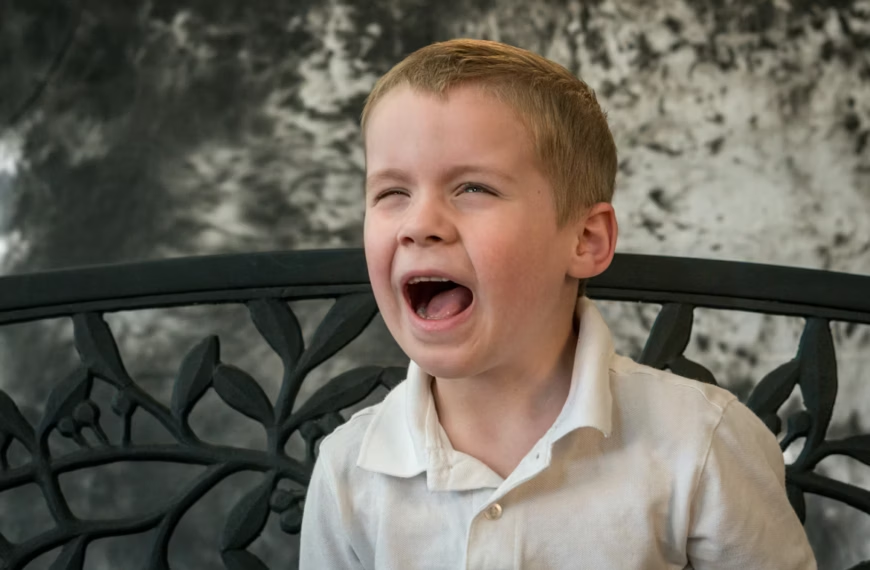
That vulnerability often shows up as shame before anger. A child who watches classmates pile into a warm SUV while she walks home in slush may not throw a tantrum. She may go quiet, withdraw, or say something that sounds small but carries real weight: “Nobody wanted me there.”
Clinical psychologist Eileen Kennedy-Moore, author of Growing Friendships, has written that parents should resist the urge to immediately explain away the hurt. In a Psychology Today column on children’s friendships, Kennedy-Moore advises starting with validation: name what happened in plain language, then pause long enough for the child to tell their version. A response like “It makes sense you felt hurt when everyone else went together” tells a child their reaction is normal, not dramatic.
Moving from comfort to coaching
Validation is the foundation, but kids also need help figuring out what to do next. The distinction matters: rescuing a child from every social slight teaches helplessness, while ignoring the slight teaches them their feelings do not count.
Researchers at UC Berkeley’s Greater Good Science Center recommend a middle path. In a guide adapted from strategies in Growing Friendships and related work, they suggest parents help children brainstorm their own responses rather than handing them a script. That might mean asking, “Would you want to invite one of those kids over this weekend?” or “If this happens again, what do you think you could say?” The goal is to restore a child’s sense of agency without forcing them into a confrontation they are not ready for.
It also helps to separate the event from the child’s identity. Kids need to hear, clearly and repeatedly, that exclusion often reflects other people’s habits, convenience, or thoughtlessness, not something the child did wrong. In the snow-day scenario, that might sound like: “Those parents made a plan without us. That was not OK, but it says nothing about how good a friend you are.”
For younger children (roughly ages 5 to 8), Kennedy-Moore suggests keeping the conversation short and concrete, then circling back later if the child brings it up again. Older kids, particularly those approaching middle school, may benefit from a broader discussion about how friend groups shift and why no single circle should define their social life.
The harder conversation: what to do about the parents next door
A child’s hurt is immediate and legible. The adult dynamics on that street are murkier. Being the parent left off the group text can revive feelings most people thought they had outgrown, the lunchroom politics of who sits where, except now the stakes involve car seats and custody schedules.
Family therapist Becky Kennedy, known for her Good Inside parenting framework, has noted that parents often need to process their own feelings of rejection before they can show up calmly for their child. Journaling, venting to a partner or friend outside the neighborhood, or simply naming the feeling (“I feel embarrassed and angry”) can prevent a parent from projecting adult grievances onto a child’s experience.
Once the emotional charge has cooled, the practical question remains: say something or let it go? A quiet, one-on-one conversation with one of the other parents, framed as curiosity rather than accusation, can clarify whether the exclusion was deliberate or genuinely careless. Something like, “I noticed the kids all got picked up together on the snow day. Was there a group text I missed?” gives the other parent room to course-correct without becoming defensive.
If the answer reveals that the other families simply prefer to keep their circle closed, that clarity is still useful. It gives the excluded parent permission to stop chasing an invitation and redirect energy toward school friends, activity partners, or other families who actually reciprocate. Not every neighborhood becomes a community, and accepting that can be its own relief.
What stays with the child
None of this rewrites the snow day. A little girl still walked home alone while her classmates rode together, and that image will sit in her memory for a while. What parents can control is what happens next: whether home becomes the place where her story is taken seriously, where hurt is not dismissed as drama, and where she learns that one group’s carelessness does not define her place in the world.
The research on childhood exclusion consistently points to the same protective factor: a child who feels securely connected to at least one attentive adult weathers social setbacks far better than a child who does not. For the mom on that cul-de-sac, the most important pickup that day was not the one she missed. It was the one that happened at the kitchen table.
More from Decluttering Mom: