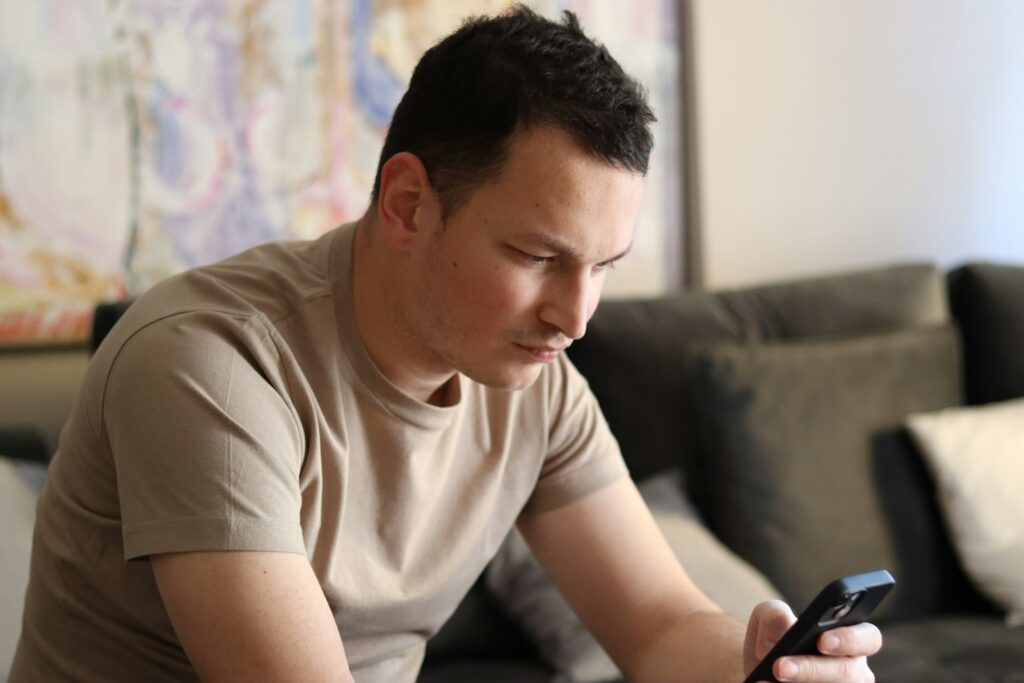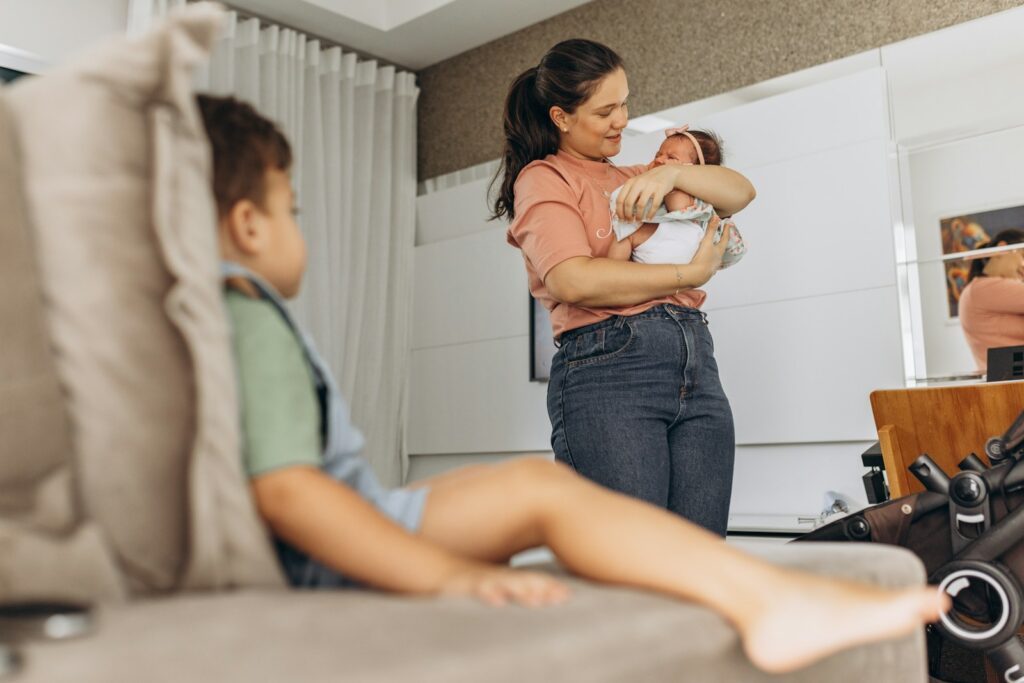
She heard every word. The other moms on the sidewalk were finalizing Saturday brunch plans, names and times and who was bringing what, all within earshot of a mother who already knew she would not be included. Then came the look: a quick, closed-lip smile from the woman running the conversation, just long enough to confirm the quiet part out loud.
Scenes like this play out at school pickups, sports sidelines, and PTA meetings in communities across the country. Mothers who have lived it describe a pattern that feels lifted from a middle-school cafeteria: one dominant personality decides who belongs and who doesn’t, and the consequences ripple through families. Researchers, psychologists, and parenting experts say the behavior is more common and more damaging than most people realize.
What “Queen Bee Syndrome” looks like in a mom group

The term “Queen Bee Syndrome” dates to a 1974 study by Staines, Tavris, and Jayaratne, who described women in positions of authority who distance themselves from other women to protect their own status. The concept was originally applied to workplaces, but psychologists have since observed the same dynamic in volunteer organizations, social clubs, and parent groups.
In a mom circle, the pattern tends to follow a specific script. One woman becomes the default organizer, the person who creates the group chat, picks the restaurant, and decides the guest list. That role is not inherently toxic. It becomes a problem when the organizer uses access as leverage: rewarding loyalty with invitations, punishing independence with silence, and making sure everyone understands the hierarchy without ever stating it directly.
Writing in Psychology Today, therapist Suzanne Degges-White notes that mommy cliques often run on unspoken rules. The queen bee might expect instant replies in the group chat, coordinated birthday gifts, or unconditional support when she vents about another parent. Anyone who hesitates becomes suspect. Social media sharpens the edge: a single tagged photo from a girls’ night can broadcast exactly who was included and who was not.
Why exclusion hits parents so hard
For the mom on the outside, the sting does not stay on the sidewalk. It follows her home.
Research on social exclusion consistently shows that being shut out of a group activates the same neural pathways as physical pain. A landmark 2003 study published in Science by Naomi Eisenberger and colleagues at UCLA found that the brain’s response to social rejection overlaps significantly with its response to bodily injury. For mothers already managing the mental load of childcare, work, and household logistics, that neurological hit lands on an already strained system.
The downstream effects are well documented. A 2023 advisory from U.S. Surgeon General Vivek Murthy identified social isolation and loneliness as a serious public health concern, linking chronic exclusion to higher rates of anxiety, depression, cardiovascular disease, and weakened immune function. Mothers who feel frozen out of their local parent community may not think of themselves as “lonely” in a clinical sense, but the health consequences can be identical.
Caroline Maguire, a parenting coach and author of Why Will No One Play with Me?, works with families navigating exclusion on both sides of the age divide. She encourages parents to talk openly about their own social struggles so children learn that feeling left out is painful but not a verdict on their worth. The advice, Maguire notes, applies just as much to the adults delivering it.
The tactics are predictable, and that helps
Parents who have been through these dynamics say the playbook is surprisingly consistent. Information becomes currency. Plans are discussed in front of the excluded person, then finalized in a separate thread. Compliments come with conditions. Loyalty is tested through small asks that escalate over time.
Degges-White, the Psychology Today contributor, recommends a counterintuitive response: stop trying to earn your way back in. Instead, she suggests building parallel friendships outside the dominant clique. “The next time you see them and you’re doing fine without them,” she writes, “something might shift.” The goal is not revenge. It is removing the queen bee’s primary source of power: your visible need for her approval.
Psychologist Andrea Bonior, author of The Friendship Fix, offers a practical filter for deciding when to push back and when to walk away. In her work on adult friendship conflict, Bonior distinguishes between a friend who is occasionally thoughtless and a person who consistently makes you feel small. The first deserves a conversation. The second deserves distance.
What the excluded mom can actually do
Naming the dynamic is the first step, but it is not enough. Experts who work with parents on social exclusion tend to converge on a few concrete strategies:
- Diversify your social circle. Relying on a single group for all your parent-community needs gives any one person too much power over your sense of belonging. Join a second playgroup, a fitness class, or a volunteer organization where the social rules are different.
- Resist the urge to perform indifference. Pretending you don’t care is exhausting and rarely convincing. Acknowledging the hurt privately, whether to a partner, a therapist, or a trusted friend, keeps it from calcifying into shame.
- Watch what your kids absorb. Children pick up on parental stress even when the details are hidden. If your child asks why you seem upset after pickup, a simple, honest answer (“I felt left out today, and that’s hard for anyone”) models emotional literacy without burdening them with adult drama.
- Set a boundary with the group chat. If the chat itself has become a source of anxiety, mute it. You do not owe anyone a real-time audience for plans you were never meant to join.
The bigger picture
None of this is really about brunch invitations. At its core, the queen bee dynamic among mothers is about power in spaces where power is rarely acknowledged. Parent communities are supposed to be cooperative, supportive, egalitarian. When one person exploits that assumption to build a personal hierarchy, the betrayal feels sharper precisely because the setting is supposed to be safe.
Recognizing the pattern for what it is, a status game dressed up as friendship, does not make the pain disappear. But it does change the question. Instead of “What’s wrong with me?” the excluded mom can start asking, “Why would I want to belong to a group that operates like this?” That shift, small as it sounds, is where the real power moves.
More from Decluttering Mom: