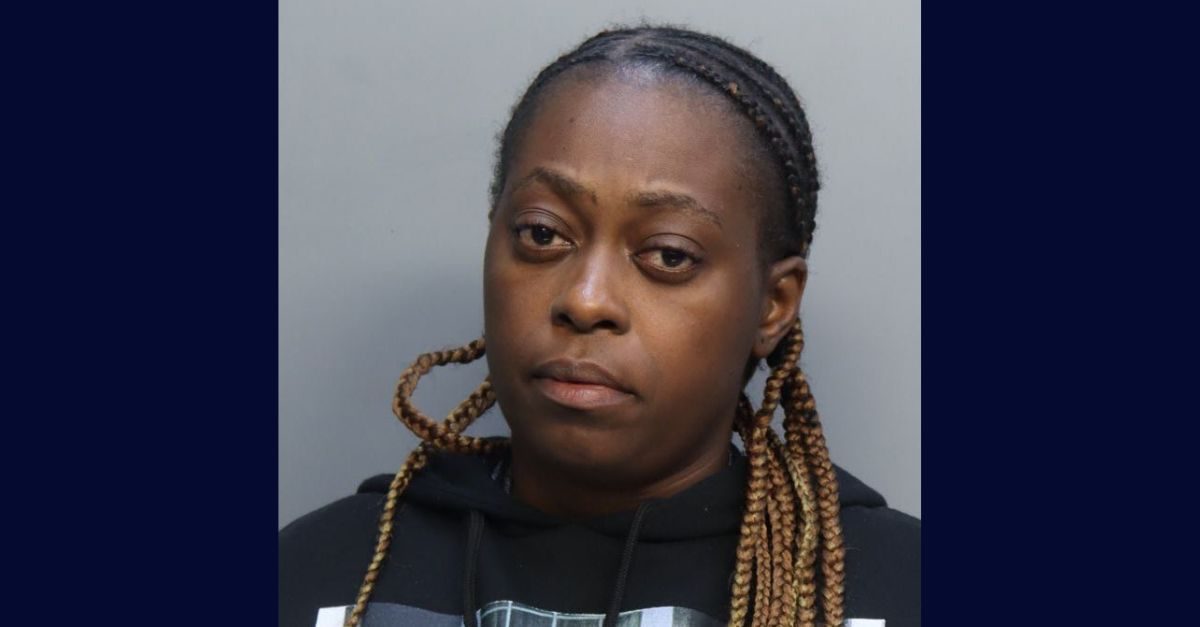
A Florida mother is accused of letting her son’s liver fail in slow motion, not because of a rare medical twist, but by allegedly withholding the medication that kept his transplanted organ alive. Investigators say the 15-year-old boy ended up needing an emergency transplant after months without the drugs doctors had labeled “necessary” for his survival. The case turns a private family struggle into a public reckoning over what happens when parental neglect collides with complex medical care.
At the center is a teenager who relied on daily pills to keep his body from rejecting a transplanted liver, and a mother who allegedly told police she was overwhelmed by the number of children she was raising. The story is not just about one parent’s decisions, but also about how fragile a medically dependent child’s life becomes when adults stop doing the small, relentless tasks that keep that child alive.

The allegations behind a failed liver
According to police, the boy’s mother, identified as Devalon, was responsible for making sure her 15-year-old son took his post-transplant medication for a chronic liver disease. Investigators say that earlier this year she stopped giving him those “necessary” drugs for at least six months, a gap that allegedly led his transplanted liver to fail and forced doctors to rush him into another transplant. In the probable cause narrative, officers wrote that she admitted feeling “overwhelmed by the number of children she has,” a detail that casts the alleged neglect not as a single bad night, but as a long, grinding slide away from the routines that kept her son alive, according to investigators.
The boy’s condition reportedly deteriorated until his liver could no longer function, prompting what authorities describe as an emergency transplant to save his life. Police allege this was not a tragic fluke in the operating room, but the foreseeable outcome of months without medication that had been clearly prescribed and explained after his first transplant. The case has drawn attention far beyond the local courthouse, with social media posts summarizing how the mother is now in custody in Florida after her son’s organ failure was linked directly to the missed doses.
Inside the home, and online, a debate over blame
Details from the arrest affidavit paint a picture of a household where a teenager’s survival depended on a strict medication schedule that simply stopped. The boy had already endured one liver transplant and was living with a chronic disease that demanded daily care. Citing the affidavit, one report notes that cops allege Devalon failed to give her 15-year-old son his “necessary” medication for his liver for at least six months, and that the boy suffered organ failure as a result, according to the probable cause account. That same document, referenced in coverage of the case, says she told officers she was overwhelmed, a statement that has become a flashpoint in the public reaction.
Online, the story has triggered a familiar split between people who see a parent who allegedly abandoned basic medical duties and others who point to the crushing weight of caring for multiple children while navigating complicated health systems. Commenters reacting to the case have shared their own stories of juggling specialty pharmacies, insurance limits, and refill delays, with one person pointing out that Some is just $2 over that help thresh hold and adding “Praying for all involved,” a reaction captured in coverage that quoted the probable cause arrest. Others, however, have pushed back hard on the idea that stress or poverty can explain months without lifesaving pills, arguing that the boy’s condition was so serious that every missed dose was an unmistakable risk, a stance reflected in the same reporting that quoted those critics.
How a private crisis became a public warning
Beyond the immediate criminal case, the allegations against Devalon have become a kind of cautionary tale for families raising medically fragile kids. Parents of transplant recipients have described how unforgiving these regimens are: alarms on phones, pill organizers labeled by day, and constant calls to clinics when a single dose is missed. Coverage of the Florida case stresses that the boy’s medication was not optional or cosmetic, but the barrier between him and organ rejection, a point repeated in multiple accounts of how his liver ultimately failed after months without those drugs, as laid out in the reporting on his. When that routine collapses, the consequences are measured not in minor setbacks, but in emergency surgeries and life-or-death decisions.
The case is also a reminder of how quickly a deeply personal medical crisis can be pulled into the spotlight once police and child welfare agencies are involved. The accusation that a mother withheld her son’s transplant medication has now been amplified across social platforms and legal commentary sites, with some readers following links to the original affidavit through legal archives and others encountering the story through viral shares that frame it as a simple morality play. Yet the underlying facts remain stark and specific: a 15-year-old with a transplanted liver, a documented gap of at least six months without “necessary” medication, and an emergency transplant that doctors say might never have been needed if those pills had been given on schedule, a sequence laid out in detail in the coverage that first brought the case to national attention and spread through social sharing and other online posts.
More from Decluttering Mom: