
You discover how a simple chart entry turned a routine visit into weeks of anxiety and extra tests for a mother and her family. The post unpacks what went wrong, why the mistake escalated so quickly, and what that means for anyone who trusts clinicians with their care.
She no longer trusts that doctor after the error, and you’ll learn the concrete steps she and others can take to prevent similar failures and protect their medical decisions.
The article digs into how a documentation error created unnecessary panic, the emotional and practical fallout for the family, and how this experience reshapes choices about future care and communication with providers. For one family, a chart line changed everything — and the piece shows what to watch for to avoid the same fate.
How a Doctor’s Chart Error Led to Weeks of Panic
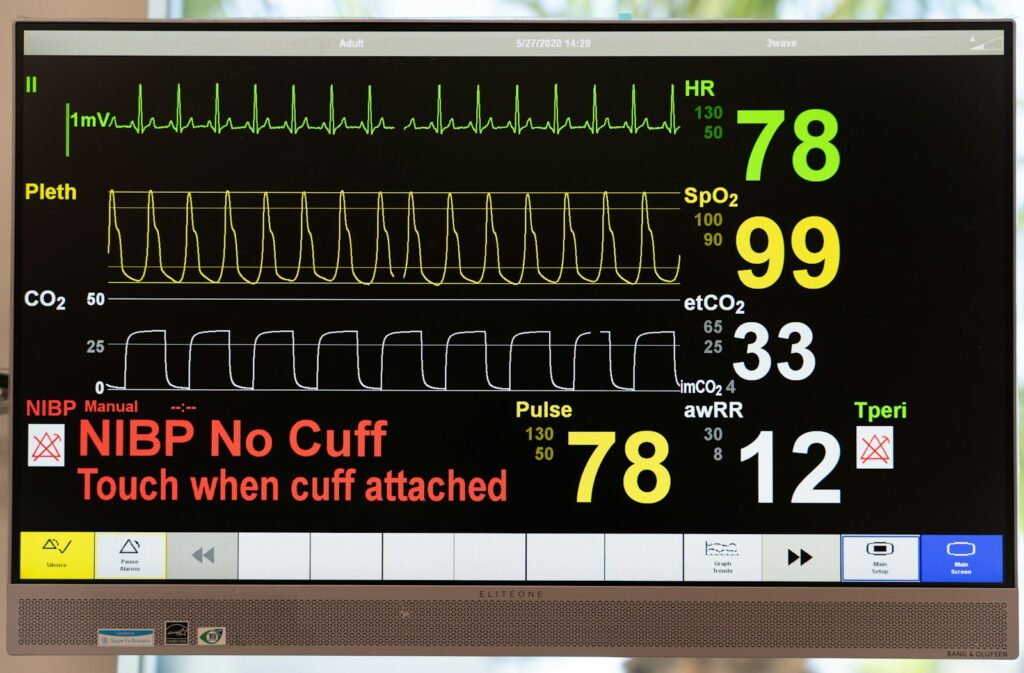
A single incorrect line in a medical chart changed the family’s plans, sparked repeated calls to the clinic, and turned routine days into anxious waiting. The next paragraphs describe how the error was found, the emotional consequences, and the family’s efforts to get clarity.
Discovering the Medical Mistake
The mother first noticed something was wrong when an imaging report listed an enlarged cardiac silhouette that contradicted the radiologist’s verbal read and the cardiologist’s earlier note. She compared the printed discharge summary to the electronic portal entry and found the portal stated “cardiomegaly — urgent evaluation,” while the clinic’s internal note read “no evidence of cardiomegaly.” That mismatch prompted her to call the clinic. Staff at first told her the portal entry was an automatic upload; later a nurse said a template error likely inserted the wrong phrase.
She requested the original imaging files and the radiologist’s signed report. When those documents also failed to match the portal text, she escalated to the clinic manager and asked for a formal chart review. The inconsistency suggested not a clinical disagreement but a documentation or transcription mistake.
Emotional Toll on the Family
The family described constant anxiety: disrupted work schedules, sleepless nights, and repeated urgent visits to different specialists for second opinions. The mother reported days spent on hold, nights refreshing the patient portal, and a persistent fear that her child might need invasive tests or hospitalization. Even relatives who normally stayed calm began calling daily to ask for updates.
This stress affected daily functioning. The child skipped sports practices and school field trips while the parents rearranged plans around potential tests. Trust in routine care took a hit; the mother later said every future lab result or note felt suspect, which made routine follow-ups emotionally exhausting.
Attempts to Clarify the Error
The family documented every interaction: dates, times, names of staff, and exact wording from portal screenshots. They presented this log during a meeting with the clinic’s risk manager and requested correction of the chart, a written apology, and confirmation that no clinical decisions had been made from the erroneous text. The clinic corrected the portal entry within 72 hours and issued a note in the chart acknowledging the transcription error.
Despite the correction, the mother asked for a formal review of whether the error influenced any referrals or treatment plans. She requested a copy of the clinic’s charting and transcription procedures and asked that staff complete retraining on template use. Clinic leadership agreed to review processes but declined to share staff disciplinary actions, citing internal personnel policies.
Impact on Trust and Future Healthcare Decisions
The chart error left the mother shaken and forced immediate choices about her child’s care, record review, and whether to continue with the same physician. She reevaluated how to verify information, who to trust, and what steps to take if future mistakes occur.
Loss of Confidence in Medical Professionals
The mother found it hard to trust clinical notes after seeing a diagnosis entered incorrectly. She questioned the accuracy of past entries and worried that other mistakes might have gone unnoticed.
This loss of confidence affected routine activities like scheduling follow-ups and accepting test results without independent verification. She began cross-checking lab reports and asking for clarifications in writing, which increased her time and stress.
Distrust also spread to the clinic’s support staff. She hesitated to rely on front-desk communications and prescription refills until she received clearer documentation and a direct apology from the responsible clinician.
Deciding Whether to Seek Another Doctor
She considered switching physicians immediately but weighed several practical factors: the child’s existing care plan, specialist referrals, insurance-network constraints, and how quickly a new provider could access complete records.
She created a short checklist to guide the decision: confirm the error was corrected in the chart, request a written explanation, assess the physician’s response and willingness to change, and compare available clinicians’ reputations and wait times.
If she chose to change providers, she planned specific steps: obtain a full copy of the medical record, ensure timely transfer of referrals and test results, and schedule an initial visit focused on medication, allergies, and ongoing treatments to avoid gaps in care.
Lessons for Patients and Healthcare Providers
Patients should request clear, dated documentation of diagnoses and treatment plans and keep personal copies of key reports. Asking for errors to be corrected in writing and logging communication dates reduces ambiguity and creates an audit trail.
Providers should adopt simple safeguards: read-back practices for critical entries, routine chart audits, and prompt, transparent correction policies. A brief written apology and explanation can restore some trust and demonstrate accountability.
Both parties benefit from clear communication protocols: patients get guidance on when to escalate concerns, and clinics reduce repeat errors by tracking chart corrections and sharing lessons with staff.
More from Decluttering Mom: