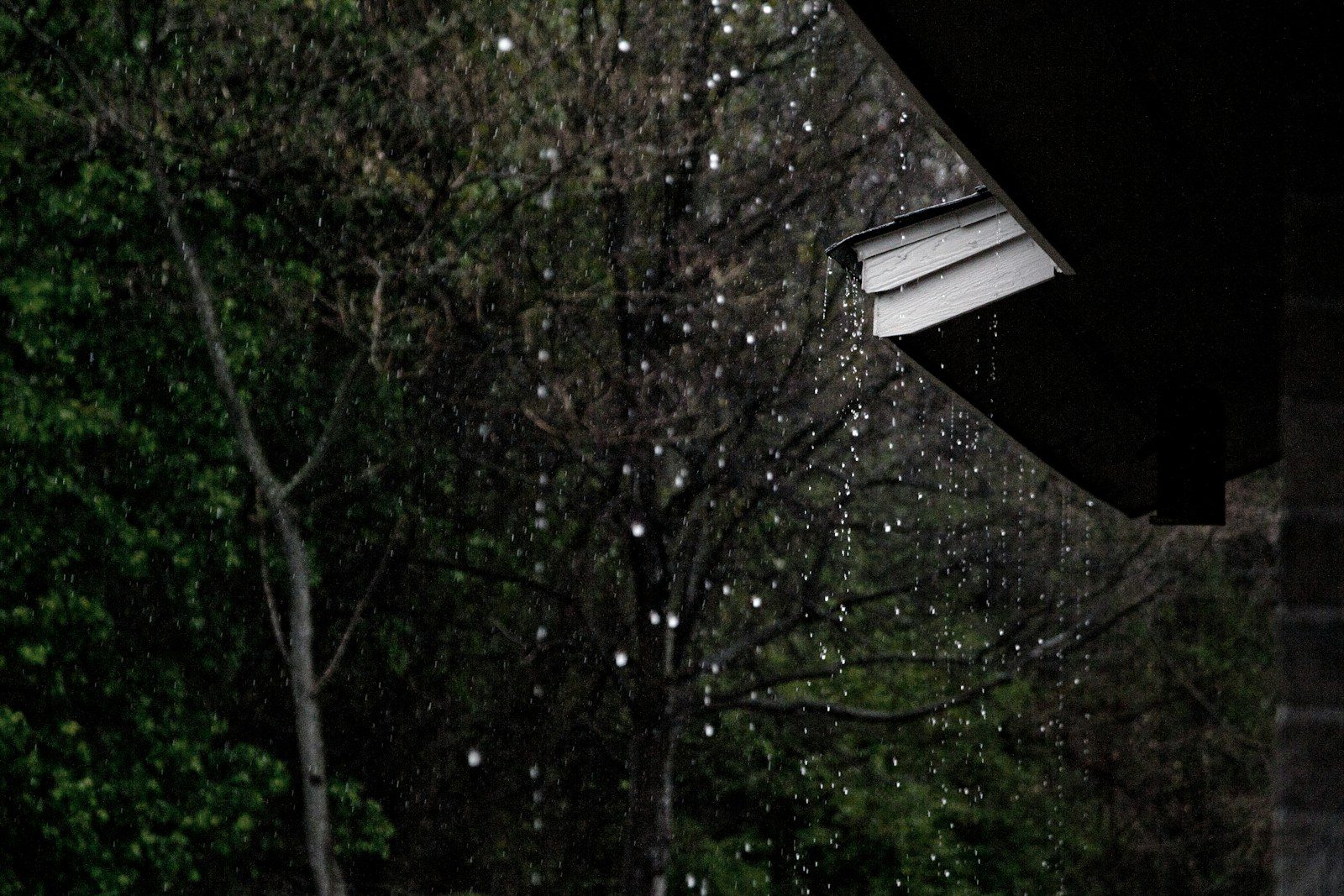
A multi-day severe weather stretch that pushed from the northern Plains through the Midwest and into the Northeast this past week has already knocked out power to more than 500,000 customers, including roughly 280,000 homes in Michigan alone, according to Fox Weather’s tracking of the event. Wind gusts reached 75 mph in the hardest-hit zones and a tornado was confirmed near Somerset, New York, but forecasters say the flooding trailing behind the storms is the threat homeowners are most likely to underestimate.
NOAA’s Weather Prediction Center currently has a slight risk of excessive rainfall posted for northern Montana through Wednesday, with 1 to 2 inches of rain expected over ground that’s normally dry, plus a broader marginal flood risk stretching across Minnesota, northwest Iowa and northeast Nebraska, per the Weather Prediction Center’s latest outlook. Meanwhile, AccuWeather’s forecast team has been warning that a corridor stretching from the Dakotas and Nebraska through the Midwest and into the Northeast will keep seeing repeat rounds of downpours, with one meteorologist noting that where storms fire “hour after hour and day after day,” flood risk builds even faster than the wind damage grabbing headlines.
What to Know
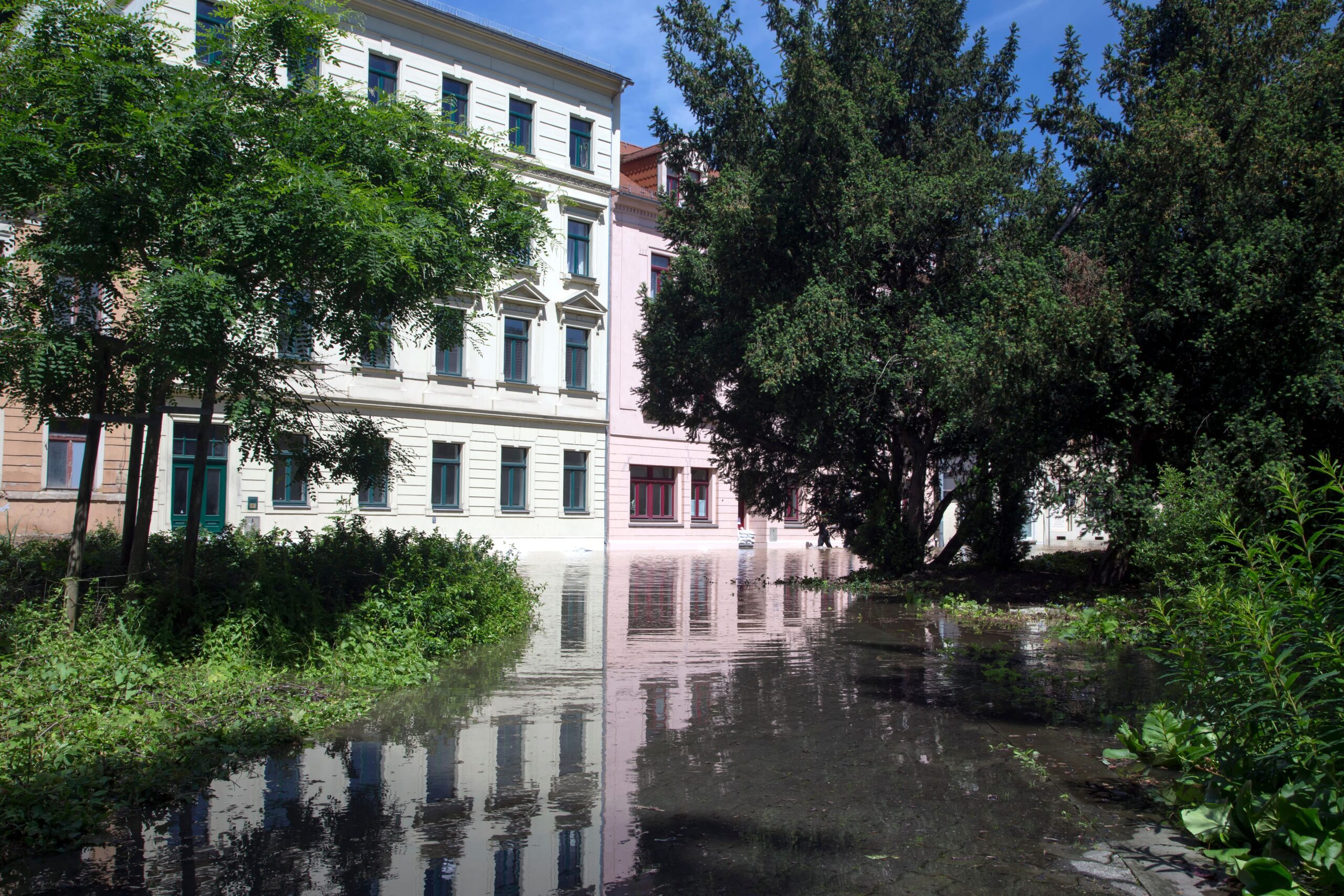
- Flooding is the bigger killer. Flash flooding “claims more lives per year than any other thunderstorm related hazard,” according to NOAA’s own hazard data, which tallied 2,249 U.S. flash flood deaths between 1959 and 2019 — more than any other flood category — and $37.3 billion in flash-flood property damage between 1996 and 2017 alone, not counting Hurricane Harvey.
- Most flood deaths aren’t from rising rivers. The National Weather Service says most flood fatalities happen at night or when drivers become trapped in cars that stall in flooded roads — not from catastrophic dam or levee failures.
- Standard homeowners insurance won’t cover it. Flood damage is excluded from most standard policies, and National Flood Insurance Program coverage can take up to 30 days to take effect, according to FEMA’s own guidance.
How to Actually Prepare Your Home
FEMA’s property-protection checklist is short and specific: declutter gutters and drains so water has somewhere to go, install check valves to stop sewage and storm water from backing up into the house, and consider a battery-backed sump pump so basement pumps keep running if the power goes out mid-storm — which, given this week’s outage numbers, is a real possibility. Move valuables and important documents above ground level, and if you do run a generator during an outage, FEMA is explicit that it must stay outdoors and away from windows to avoid carbon monoxide poisoning.
The storm track shifts east through the week, but the underlying pattern — repeated heavy rain on already-saturated ground — is what forecasters are watching most closely. Wind and hail make for dramatic video. Water sitting in a basement for three days is what actually empties a homeowner’s savings.